

Have you ever looked in the mirror and wondered why your eyes appear tired, even when you feel reasonably well-rested? Perhaps the skin beneath them looks darker, puffier, or less smooth than it used to. Fine lines may seem more noticeable, and your face might look less refreshed than you would like.
You are not alone. The delicate skin around the eyes can show subtle changes over time, sometimes making the entire face appear more tired or aged. The good news is that several everyday factors may contribute to this appearance, and understanding them can help you make more informed choices about your skincare routine.
From hydration and sleep to collagen loss and lifestyle habits, here are seven things worth considering when your eyes look dull.

1. Natural Collagen Loss and Skin Ageing
One of the changes that occurs as we age is a gradual decline in collagen production. Collagen is a structural protein that helps give skin its firmness and support.
As collagen levels decline, the skin can gradually become thinner, less firm, and less elastic. These changes may make fine lines around the eyes more noticeable and contribute to a less smooth appearance.
The under-eye area is particularly delicate, which means even relatively subtle changes can become visible.
Although ageing is a natural process that cannot be completely prevented, a consistent skincare routine can help support the skin’s appearance over time. Gentle cleansing, daily sun protection, and appropriate moisturising products are useful foundations.
It is also worth remembering that no single skincare product can completely reverse natural ageing. The goal is to support healthy-looking skin rather than chase unrealistic promises.
Skinception kollagen Intensiv Official Website:
2. Not Getting Enough Quality Sleep
Sleep can have a noticeable effect on how refreshed your eyes appear.
When you regularly miss out on adequate rest, you may notice darker-looking circles, puffiness, or a generally tired appearance. Lack of sleep can also make existing under-eye shadows more apparent.
However, dark circles are not always caused by poor sleep. Genetics, pigmentation, the natural shape of your eye sockets, and visible blood vessels beneath thin skin can all contribute.
If your eyes frequently look tired in the morning, consider whether your sleeping habits could be playing a role.
A few practical steps may help:
- Aim for a consistent sleep and waking schedule.
- Create a relaxing bedtime routine.
- Reduce late-night screen use if it interferes with your sleep.
- Keep your bedroom comfortable and suitable for restful sleep.
Improving sleep will not eliminate every cause of dark circles, but it can be a useful part of a broader approach to looking refreshed.

3. Dehydration and a Lack of Skin Moisture
Sometimes, dull-looking eyes have less to do with ageing and more to do with the condition of the skin.
When the skin around your eyes is dry or dehydrated, fine lines may appear more pronounced. The surface can look less smooth, and makeup may settle into creases that were previously less noticeable.
Hydration matters because the skin needs sufficient moisture to maintain a comfortable, supple appearance.
Drinking water regularly supports your body’s normal functions, while moisturisers help reduce water loss from the skin. Ingredients such as glycerin and hyaluronic acid can attract and retain moisture, helping the skin appear temporarily plumper and smoother.
For the delicate eye area, choose a gentle moisturiser that suits your skin type. Avoid rubbing the skin when applying it, as repeated friction can cause irritation.
Remember that moisturising can improve the appearance of dehydration-related lines, but it cannot permanently remove wrinkles or restore lost collagen.
4. Sun Exposure and Environmental Stress
Have you considered how much time your skin spends exposed to sunlight?
Ultraviolet radiation contributes to premature skin ageing by damaging important skin structures, including collagen and elastin. Over time, this can contribute to fine lines, uneven pigmentation, and reduced skin firmness.
Because the eye area is often exposed, it can benefit from the same protective habits as the rest of your face.
Daily broad-spectrum sunscreen, suitable sunglasses, and a hat can help reduce cumulative sun exposure. Choose sun protection that is appropriate for the delicate skin around your eyes, and avoid getting sunscreen directly into your eyes.
Environmental factors such as air pollution and smoking can also contribute to oxidative stress and skin ageing.
Although you cannot avoid every environmental influence, protecting your skin consistently is one of the most practical ways to support its long-term appearance.

5. Puffiness and Fluid Retention
Puffy eyes can make you look tired even when your skin is otherwise healthy.
Fluid can accumulate around the eyes, particularly after sleeping, eating a salty meal, or experiencing seasonal allergies. Genetics and age-related changes in the tissues around the eyes can also influence puffiness.
If your eyes look swollen when you wake up, try a cool compress for several minutes. Keeping your head slightly elevated while sleeping may also help some people.
Other useful habits include moderating excessive salt intake, getting adequate sleep, and avoiding rubbing irritated eyes.
It is important to distinguish occasional puffiness from persistent or unusual swelling. Sudden swelling, particularly when accompanied by pain, redness, vision changes, or other concerning symptoms, deserves prompt medical attention.
Collagen-focused skincare may support the overall appearance of the skin, but it should not be expected to eliminate fluid retention or treat the underlying causes of swelling.
6. Everyday Lifestyle Habits
Your skin reflects more than the products you apply to it. Everyday habits can also influence how your complexion looks and feels.
Smoking, frequent sleep disruption, excessive alcohol consumption, and a diet lacking essential nutrients may all work against your skin’s overall appearance.
A balanced diet provides nutrients needed for normal skin function. Protein supplies amino acids used to build collagen, while vitamin C plays an essential role in normal collagen formation. A variety of fruits, vegetables, whole grains, and protein-rich foods can help provide these nutrients.
Regular physical activity and effective stress management may also support general wellbeing, which can indirectly benefit your daily skincare habits.
You do not need to change everything overnight. Small, sustainable improvements are often more realistic than an elaborate routine that becomes difficult to maintain.

7. Your Skincare Routine May Need a Different Approach
Sometimes, the issue is not that you need more skincare products. It is that your current routine may not address your main concerns.
For example, a rich moisturiser may help dry skin look smoother, but it will not necessarily address pigmentation-related dark circles. Similarly, an eye cream may temporarily improve the appearance of fine lines without correcting the structural changes associated with ageing.
Start by identifying what bothers you most.
- Fine lines: Consider gentle moisturising products and daily sun protection.
- Dryness: Look for ingredients that support skin hydration.
- Dark circles: Consider whether pigmentation, genetics, sleep, or under-eye shadows may be contributing.
- Puffiness: Review sleep habits, allergies, and possible fluid retention.
- Loss of firmness: Focus on consistent skin protection and realistic anti-ageing skincare.
Give a new routine time to show whether it suits your skin, and introduce new products gradually to reduce the risk of irritation.
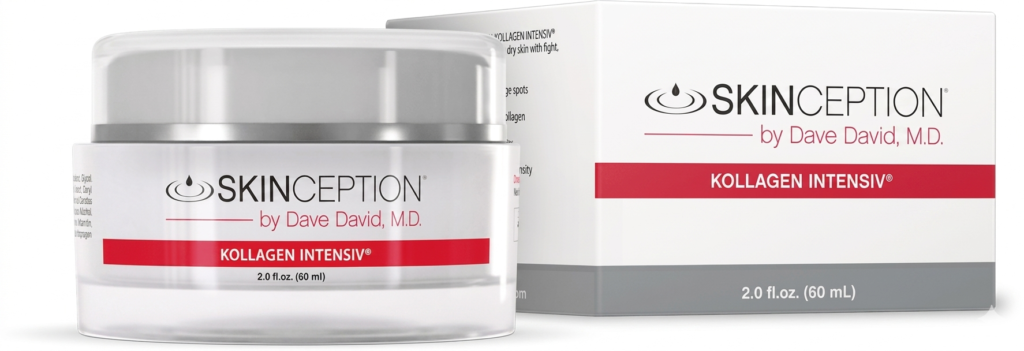
Where Kollagen Intensiv May Fit Into Your Beauty Routine
If your main concern is skin that looks less firm, smooth, or youthful than it once did, you may also be exploring collagen-focused skincare options.
Kollagen Intensiv is a beauty product that may appeal to people looking to complement their existing anti-ageing routine. Its potential relevance depends on its formulation, ingredients, and the evidence supporting the specific benefits claimed for it.
When considering any collagen-focused product, it is worth checking the ingredient list, following the manufacturer’s directions, and understanding what the available evidence actually supports.
A product should not be expected to eliminate dark circles, remove under-eye bags, or reverse the natural ageing process. Results can vary according to individual skin characteristics, the product’s formulation, and how it is used.
Kollagen Intensiv may be considered as one part of a broader beauty routine, alongside moisturising, sun protection, adequate sleep, and healthy lifestyle habits. It is best approached with realistic expectations rather than the belief that one product can solve every concern around the eyes.
Consistency matters, but so does choosing products that suit your skin and have credible information behind their claims.
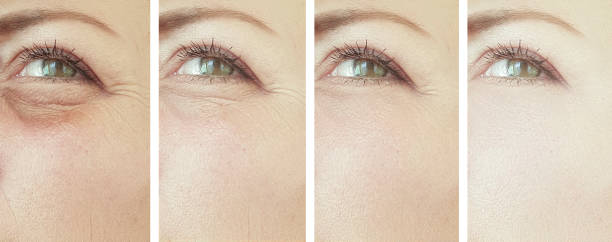
The Takeaway: Brighter-Looking Eyes Start With Understanding Your Skin
When your eyes look dull, it is easy to assume that ageing is the only explanation. In reality, several factors may be involved, including collagen loss, dehydration, insufficient sleep, sun exposure, puffiness, and everyday lifestyle habits.
The most useful approach is to identify which factors are most relevant to you and build a routine around them. Protect your skin from the sun, keep it comfortably moisturised, prioritise quality sleep, and maintain balanced daily habits.
If you are interested in anti-ageing skincare, a product such as Kollagen Intensiv may be worth considering as part of that routine, provided its ingredients and claims align with your expectations.
Your eyes do not need to look perfectly smooth or completely free of lines to look healthy and refreshed. With a thoughtful, consistent approach, you can support your skin’s appearance while embracing the natural changes that come with time.
Want more tips for younger-looking eyes? Subscribe for simple eye-care advice
delivered to your inbox.