

Have you ever looked in the mirror and wondered why your eyes suddenly appear more tired, puffy, or lined than they used to? Perhaps you have noticed darker circles beneath your eyes, fine lines that seem more noticeable in certain lighting, or a loss of the smooth, refreshed appearance you once took for granted.
The eye area can change gradually, sometimes without you noticing until one day the difference becomes difficult to ignore. Even when you get enough sleep and follow a skincare routine, your eyes may still look tired.
The reason is that the skin around your eyes is influenced by several factors, including natural ageing, hydration, genetics, daily habits, and changes in skin structure.
Understanding these influences can help you make more informed choices about caring for your skin. Here are 10 factors worth considering if your eye area looks different than it once did.

1. Natural Collagen Loss
Collagen is an important structural protein that helps give skin its firmness and support. As we age, the body’s natural collagen production gradually declines, and existing collagen structures change.
Because the skin around the eyes is particularly thin, these changes can become noticeable in the form of fine lines, reduced firmness, and a less smooth appearance.
Collagen loss is a normal part of ageing, not necessarily a sign that something is wrong with your skincare routine.
While no topical product can completely reverse natural ageing, a consistent skincare approach and healthy daily habits can help support the skin’s overall appearance.
Skinception kollagen Intensiv Official Website:
2. Dehydration and Dry Skin
Sometimes, what appears to be ageing skin is partly a matter of hydration.
When the skin lacks moisture, fine lines can look more pronounced, and the area beneath the eyes may appear less smooth. Dryness can also make concealer and other makeup products settle into small creases.
Hydration involves more than simply drinking water. Your skin also needs help retaining moisture.
Consider using a gentle moisturiser formulated for the eye area. Ingredients such as hyaluronic acid and glycerin can help attract and retain water in the skin, temporarily improving its hydrated appearance.

3. Insufficient or Poor-Quality Sleep
A restless night can leave visible clues around your eyes.
Insufficient sleep may contribute to puffiness, a tired appearance, and more noticeable dark circles. When you are exhausted, changes in facial appearance can make your eyes look less refreshed.
Try maintaining a consistent sleep schedule and allowing enough time for rest.
If morning puffiness is a regular concern, sleeping with your head slightly elevated may also help some people reduce fluid accumulation around the eyes.
Although better sleep will not eliminate every dark circle or fine line, it can make a difference to your overall appearance.
4. Genetics and Natural Facial Structure
Not every concern beneath the eyes is caused by lifestyle or ageing.
Genetics can influence skin thickness, pigmentation, facial fat distribution, and the natural shape of the eye sockets. These characteristics can make some people more prone to dark circles or under-eye shadows, even when they are young and well rested.
The appearance of dark circles can also be influenced by visible blood vessels beneath thin skin.
Understanding your natural facial structure is important because it helps set realistic expectations. Skincare may improve hydration and skin texture, but it cannot change every inherited characteristic.

5. Sun Exposure and Environmental Damage
Daily sun exposure can contribute to premature skin ageing, including fine lines, uneven pigmentation, and reduced elasticity.
The delicate eye area is particularly easy to overlook when applying sunscreen. Over time, cumulative ultraviolet exposure may make the skin appear older than it otherwise would.
A broad-spectrum sunscreen of SPF 30 or higher, suitable for the area around your eyes, can help protect exposed skin. Sunglasses that provide ultraviolet protection offer another useful layer of defence.
Consistent sun protection is one of the most practical steps you can take to help preserve your skin’s appearance as you age.
6. Fluid Retention and Under-Eye Puffiness
Puffy eyes can appear overnight and sometimes disappear as the day progresses.
Fluid retention may be influenced by salty meals, hormonal changes, allergies, sleep patterns, or the position in which you sleep.
For temporary morning puffiness, a clean, cool compress may help soothe the area. Avoid applying ice directly to the skin or rubbing your eyes aggressively.
If swelling is persistent, painful, occurs suddenly, or affects only one eye, seek appropriate medical advice rather than assuming it is simply an ageing concern.

7. Repeated Rubbing and Harsh Skincare
The skin around your eyes needs gentle treatment.
Frequent rubbing, aggressive makeup removal, and products that irritate the skin can contribute to redness, dryness, and discomfort. Repeated irritation may also make existing pigmentation more noticeable in some people.
Choose gentle cleansers and remove eye makeup without pulling or stretching the skin.
Be cautious when introducing strong exfoliants or retinoid products near the eyes. These ingredients may help with certain signs of skin ageing, but they can also cause irritation if used incorrectly.
A simple, consistent routine is often more useful than constantly switching between products.
8. Changes in Skin Elasticity
Elasticity refers to the skin’s ability to stretch and return towards its original shape.
As skin ages, changes in collagen, elastin, and other structural components can reduce its resilience. The result may be a softer, less firm appearance around the eyes, with fine lines becoming more visible when you smile.
Moisturisers can temporarily improve the look and feel of the skin by increasing its hydration. Certain skincare ingredients may also help improve the appearance of fine lines over time.
However, no cream or supplement should be expected to restore youthful elasticity completely. Natural ageing involves multiple processes, and individual results vary.

9. Stress, Nutrition, and Everyday Habits
Your daily routine can influence how refreshed your eyes look.
Ongoing stress, smoking, excessive alcohol consumption, an unbalanced diet, and irregular sleep may all affect general wellbeing and skin appearance.
Skin benefits from adequate nutrition, including sufficient protein and a varied selection of fruits and vegetables. Nutrients such as vitamin C also contribute to normal collagen formation.
Rather than searching for one miracle ingredient, focus on habits that support your overall health.
Small, sustainable improvements to sleep, nutrition, stress management, and sun protection can complement a thoughtful skincare routine.
10. Your Overall Beauty Routine and Collagen Support
When the eye area begins to look different, it is natural to look for products that support smoother, more hydrated-looking skin.
A balanced beauty routine may include gentle cleansing, moisturising, daily sun protection, and targeted products suited to your particular concerns.
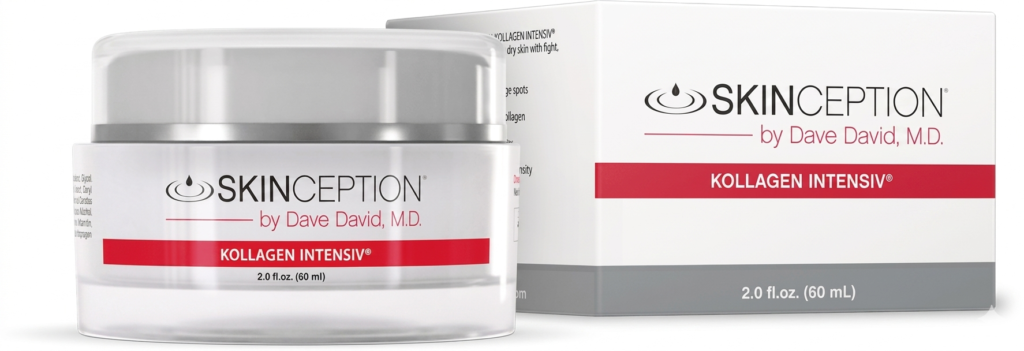
This is also where collagen-focused beauty products, including Kollagen Intensiv, may be worth considering as part of a broader approach to skin care.
Kollagen Intensiv is a beauty product positioned around concerns associated with skin ageing. Depending on its formulation and intended use, it may appeal to people looking to complement their existing routine with additional skin-focused care.
It is important, however, to distinguish between supporting the appearance of skin and reversing the biological processes of ageing. Results depend on the product’s ingredients, how it is used, and individual factors. No product can guarantee the removal of dark circles, under-eye bags, or wrinkles.
Before choosing any collagen-focused product, review its ingredient list, directions, and suitability for your needs. If you have sensitive skin or a history of reactions, consider whether the formulation is appropriate for you.
The most sensible approach is to view a product such as Kollagen Intensiv as one possible part of a wider beauty routine, rather than a replacement for hydration, sun protection, sleep, or realistic expectations.

A More Informed Approach to Brighter-Looking Eyes
Changes around your eyes do not always have a single explanation. Collagen loss, dehydration, sun exposure, genetics, sleep quality, and everyday habits can all contribute to the appearance of dark circles, puffiness, fine lines, and tired-looking skin.
The good news is that understanding these factors gives you a clearer starting point. Gentle skincare, consistent sun protection, adequate rest, and healthy lifestyle choices can all support the appearance and condition of your skin.
If you choose to explore collagen-focused beauty products such as Kollagen Intensiv, consider how they fit into your existing routine and assess their benefits realistically.
Your eye area will naturally change over time. Rather than chasing perfection, focus on understanding your skin, caring for it consistently, and making choices that help you look and feel your best at every stage of life.
Don’t stop here. Subscribe for more practical tips on caring for your eyes as
they age.