

Have you ever looked in the mirror and wondered why your eyes suddenly appear more tired, even when you feel perfectly rested? Perhaps dark circles seem more noticeable, puffiness takes longer to disappear, or fine lines around your eyes appear more defined than they did a few years ago.
If you are over 40, these changes may be more noticeable than you expect. The delicate skin surrounding your eyes is particularly vulnerable to the natural aging process, and everyday habits can influence how it looks and feels.
The good news is that understanding what contributes to tired-looking eyes can help you make more informed choices about your skincare routine. From supporting skin hydration to protecting collagen, a few consistent habits can make a meaningful difference in how you care for the eye area.
Here are seven practical eye care tips to consider after 40, along with how collagen and products such as Kollagen Intensiv may fit into an overall beauty routine.

Why Does the Eye Area Change After 40?
The skin around your eyes is thinner and more delicate than the skin on many other parts of your face. As you age, several natural changes can affect its appearance.
One important factor is collagen. Collagen is a structural protein that helps support the skin’s firmness and structure. As the years pass, the body generally produces less collagen, while existing collagen fibres can gradually change.
Elastin, another protein that contributes to skin flexibility, also changes with age. At the same time, the skin may retain moisture less effectively, making fine lines and uneven texture more noticeable.
Other factors can contribute to changes around the eyes, including:
- Sun exposure and accumulated environmental damage.
- Poor sleep or irregular sleeping patterns.
- Dehydration and dry skin.
- Genetics and naturally occurring pigmentation.
- Seasonal allergies and fluid retention.
- Facial expressions and repeated muscle movements.
Understanding these influences is the first step towards developing an eye care routine that suits your needs.
1. Make Hydration a Priority
One of the simplest ways to improve the appearance of the eye area is to keep the skin comfortably hydrated.
When skin becomes dry, fine lines can appear more pronounced because the surface looks less smooth. Hydration will not eliminate wrinkles, but it can temporarily soften their appearance and help the skin feel more comfortable.
Choose a gentle moisturiser designed for the delicate eye area. Ingredients such as hyaluronic acid and glycerin help attract and retain moisture, while suitable emollients help reduce moisture loss.
Remember that drinking enough water supports general health, but drinking extra water alone will not necessarily eliminate dark circles or under-eye bags. A combination of sensible hydration habits and appropriate skincare is a more realistic approach.

2. Protect Your Skin From the Sun
Sun exposure is an important contributor to premature skin aging. Ultraviolet radiation can damage collagen and contribute to uneven pigmentation, fine lines and changes in skin texture.
Because the skin around your eyes is so delicate, daily sun protection deserves particular attention.
Consider these simple habits:
- Apply broad-spectrum SPF 30 or higher sunscreen as directed.
- Wear sunglasses that provide UV protection.
- Use a hat when spending extended periods outdoors.
- Avoid rubbing sunscreen into your eyes, and choose a product suitable for the surrounding area.
Consistent sun protection helps preserve the skin you have and reduces further UV-related damage. It is one of the most useful long-term habits for maintaining a healthy-looking complexion after 40.

3. Look Beyond Sleep When Addressing Dark Circles
Dark circles can make the entire face appear tired, but they do not always indicate a lack of sleep.
Their appearance can be influenced by genetics, pigmentation, visible blood vessels beneath thin skin and shadows created by changes in facial structure. As skin becomes thinner or loses some of its underlying support, these shadows may become more noticeable.
Getting sufficient sleep can still help, particularly when tiredness contributes to a dull or fatigued appearance.
Try to maintain a regular sleep schedule and create a relaxing bedtime routine. If allergies contribute to under-eye discoloration or swelling, addressing the underlying allergy may also help.
If dark circles develop suddenly, affect only one eye or occur alongside pain or significant swelling, seek medical advice rather than assuming they are simply a sign of aging.
4. Use a Gentle Approach to Puffiness
Puffy eyes can be frustrating, particularly when swelling is most noticeable in the morning.
Temporary puffiness may result from fluid retention, salty meals, allergies, poor sleep or sleeping flat. Age-related changes can also make under-eye bags more noticeable over time.
A cool compress applied gently for several minutes may help reduce temporary swelling. You can also try sleeping with your head slightly elevated and avoiding rubbing the eye area.
When applying skincare, use your ring finger and a light tapping motion. Pulling or stretching delicate skin unnecessarily may cause irritation.
Persistent under-eye bags can have structural causes that creams cannot fully address. Understanding the reason for the puffiness helps you set realistic expectations for what your skincare routine can achieve.

5. Support Collagen and Skin Elasticity
Collagen plays an important role in maintaining the structure and firmness of skin. Natural changes in collagen production can contribute to the appearance of fine lines, looser skin and reduced elasticity as you get older.
Although no skincare product can completely stop the aging process, certain habits can support overall skin health.
Eat a balanced diet containing adequate protein, fruits and vegetables. Vitamin C is particularly important because the body needs it to produce collagen. Avoid smoking and protect your skin from excessive sun exposure.
You may also consider skincare products containing ingredients such as retinoids, which have evidence supporting their use for certain signs of photoaging. However, these products can irritate sensitive skin, so introduce them carefully and seek professional advice if necessary.
The goal is not to eliminate every line. It is to support your skin’s condition while recognising that some changes are a normal part of aging.
6. Choose Eye Care Products That Suit Your Skin
A complicated skincare routine is not necessarily a better one. After 40, consistency and suitability often matter more than the number of products on your bathroom shelf.
Look for gentle formulas that address your main concern, whether that is dryness, uneven texture, puffiness or the appearance of fine lines.
For example, a moisturising eye cream may help dry skin look smoother, while a product containing caffeine may temporarily improve the appearance of puffiness for some people.
Introduce new products gradually and pay attention to irritation, especially around the eyes. Fragrance-free options may be preferable if your skin is sensitive.
It is also important to distinguish between temporary cosmetic improvements and lasting structural changes. A cream may improve hydration without restoring lost collagen or removing established under-eye bags.

7. Consider Kollagen Intensiv as Part of Your Beauty Routine
If you are looking for ways to support a more youthful-looking complexion, you may be interested in products such as Kollagen Intensiv.
Kollagen Intensiv is a skincare product positioned around the appearance of aging skin. It may appeal to people who want to explore additional options alongside established habits such as moisturising, sun protection and gentle cleansing.
When considering any anti-aging product, look carefully at its ingredient list, directions and the specific benefits supported by reliable evidence. Different formulations can work in different ways, and results depend on factors such as the ingredients, your skin and how consistently the product is used.
It is also worth keeping expectations realistic. A topical beauty product should not be assumed to replace collagen lost through aging, eliminate deep wrinkles or permanently remove dark circles and puffiness.
Instead, think of Kollagen Intensiv as a potential part of a broader beauty routine rather than a complete solution on its own. Supporting your skin through everyday care remains important, whatever products you choose.
Give a new product sufficient time to assess how your skin responds, follow its instructions and discontinue use if irritation occurs. If you have particularly sensitive skin or an existing skin concern, a qualified skincare professional can help you determine whether it is appropriate for you.
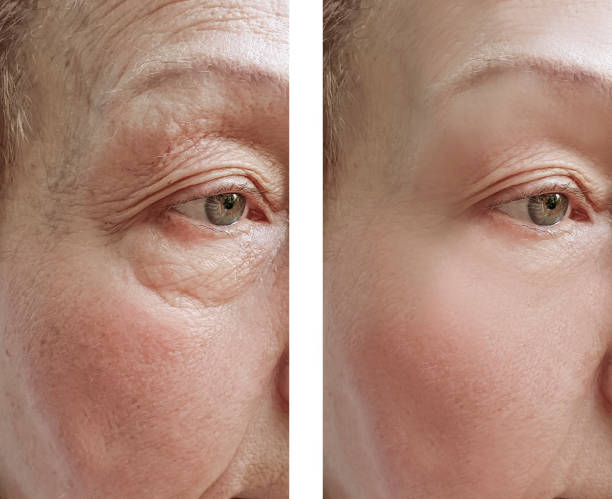
A Simple, Consistent Approach to Eye Care After 40
Changes around the eyes can feel frustrating, especially when you notice them gradually becoming more pronounced. However, tired-looking eyes are influenced by several factors, and not all of them can be addressed with the same product or routine.
Prioritise hydration, protect your skin from the sun, get adequate sleep and treat the delicate eye area gently. Pay attention to persistent puffiness or dark circles, and choose skincare products according to your needs rather than unrealistic promises.
Collagen loss is a natural part of aging, but sensible daily habits can help support skin health and improve the appearance of dryness and fine lines.
Ultimately, caring for your eye area after 40 is about consistency, realistic expectations and finding an approach that works for you. With thoughtful skincare and healthy lifestyle habits, you can give your skin the attention it deserves while embracing the natural changes that come with age.
Your eyes deserve attention too. Subscribe for more practical eye-care tips
and advice