

Have you ever looked in the mirror and wondered why your eyes appear more tired than you actually feel? Perhaps dark circles seem more noticeable, puffiness takes longer to disappear, or fine lines remain visible even after a good night’s sleep. If this sounds familiar, your eye care routine may need a little attention.
After 40, the delicate skin around your eyes can begin to show changes that your usual skincare products may not fully address. Natural collagen loss, reduced skin elasticity, hydration changes and everyday lifestyle habits can all influence how the eye area looks over time.
The good news is that caring for mature skin does not have to mean buying dozens of expensive products. Sometimes, a few thoughtful adjustments can make your routine more effective.
Here are 10 things worth reconsidering if you want your eyes to look fresher, smoother and better cared for after 40.

1. Are You Giving Your Skin Enough Hydration?
The skin around your eyes is naturally delicate and can be particularly prone to dryness. As skin ages, changes in its ability to retain moisture may make fine lines appear more noticeable.
When the skin is dehydrated, its surface can look less smooth, and makeup may settle into creases more easily.
Consider using a gentle, fragrance-free moisturiser suitable for the eye area. Ingredients such as glycerin and hyaluronic acid can help attract and retain moisture, temporarily giving the skin a plumper appearance.
Remember that well-hydrated skin may look smoother, but hydration does not permanently eliminate wrinkles.
Skinception Kollagen Intensive Official Website:
2. Understand What Collagen Loss Means After 40
Collagen is an important structural protein that helps support the skin’s firmness and resilience. As we age, the body gradually produces less collagen, while existing collagen fibres also change.
These changes can contribute to skin that appears thinner, less firm and more prone to visible lines.
The delicate area beneath the eyes may be especially noticeable because the skin there is relatively thin.
Although collagen loss is a natural part of ageing, a consistent skincare routine, sun protection and healthy lifestyle habits can help support the skin’s overall condition.

3. Stop Rubbing Your Eyes So Often
Rubbing your eyes might feel harmless, especially when they are itchy, irritated or tired. However, repeated rubbing can irritate the delicate surrounding skin.
It may also worsen puffiness temporarily and contribute to inflammation, particularly if allergies are involved.
Instead, try these simple alternatives:
- Use a clean, cool compress when your eyes feel puffy.
- Address possible allergy triggers.
- Remove eye makeup gently without pulling at the skin.
- Avoid rubbing your eyes with towels or tissues.
If itching or irritation persists, seek advice from a healthcare professional rather than relying on skincare products alone.

4. Take Dark Circles Seriously, but Understand Their Causes
Dark circles are one of the most common concerns for people over 40. However, they do not always indicate a lack of sleep.
Several factors can contribute to their appearance, including genetics, pigmentation, visible blood vessels, thinning skin and shadows created by changes in the under-eye area.
Lack of sleep and dehydration may make some people’s dark circles more noticeable, but they are not the explanation for every case.
A suitable moisturiser may improve the appearance of dry skin, while daily sun protection can help limit pigmentation-related changes. Understanding the underlying cause is important because different concerns respond to different approaches.
5. Reconsider How You Manage Morning Puffiness
Waking up with puffy eyes can make your whole face look tired, even when you feel perfectly refreshed.
Fluid accumulation around the eyes, sleeping position, allergies, high-salt meals and individual anatomy can all play a role.
Try keeping your sleeping schedule consistent, avoiding excessive salt intake and using a cool compress in the morning. If comfortable, slightly elevating your head while sleeping may also help some people.
Persistent or sudden swelling should not automatically be blamed on ageing. Seek medical advice if puffiness continues, worsens or occurs alongside pain, redness or changes in vision.
6. Make Daily Sun Protection Non-Negotiable
Sun exposure is a major contributor to premature skin ageing. Ultraviolet radiation can damage collagen and elastin, encouraging wrinkles, uneven pigmentation and reduced skin elasticity over time.
If you focus on eye creams but overlook sun protection, you may be missing an important part of your routine.
Choose a broad-spectrum SPF 50 or SPF 50+ sunscreen suitable for your skin, following the product’s directions. Wear sunglasses that provide UV protection and consider a hat when spending time outdoors.
Apply sunscreen carefully around the orbital area, avoiding direct contact with your eyes.
Consistency matters more than occasionally using an expensive anti-ageing product.
7. Check Whether Your Skincare Products Are Too Harsh
More skincare does not necessarily mean better skincare.
Strong exfoliants, heavily fragranced products and unsuitable active ingredients can irritate the delicate skin around your eyes. Irritation may cause redness, dryness and a rougher-looking surface.
If your current routine leaves your skin feeling tight, stinging or flaky, consider simplifying it.
A gentle cleanser, suitable moisturiser and daily sunscreen provide a practical foundation. If you want to introduce an ingredient such as a retinoid, choose a product appropriate for the eye area and introduce it cautiously.
If you have sensitive skin or an existing skin condition, professional advice can help you choose suitable ingredients.
8. Look Beyond Skincare at Your Everyday Habits
Your eye care routine does not begin and end with what you apply to your face.
Sleep, nutrition, stress management and hydration all influence general wellbeing and may affect how refreshed your face appears.
Try to establish a regular sleep schedule, eat a balanced diet with adequate protein, include a variety of fruit and vegetables, and drink enough water for your needs.
Avoid smoking, which is associated with accelerated skin ageing.
These habits cannot reverse every age-related change, but they can support healthier skin and complement a consistent skincare routine.
9. Consider Whether Collagen Support Fits Your Beauty Routine
When fine lines, reduced firmness and changes in skin texture become more noticeable, it is understandable to explore additional ways to support your skin.
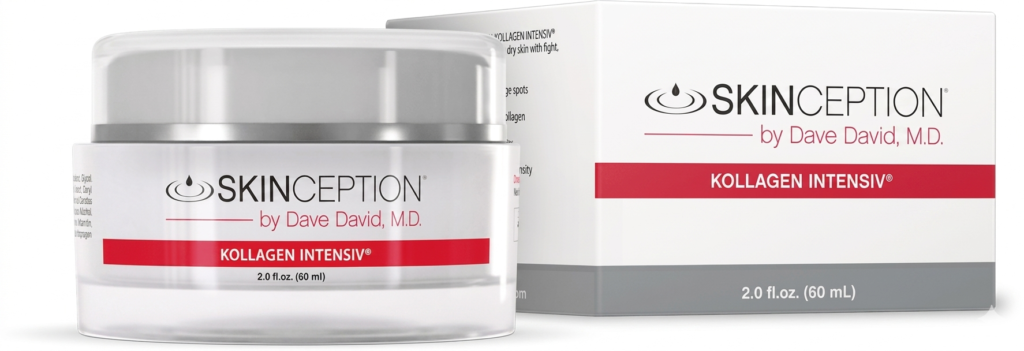
This is where products such as Kollagen Intensiv may enter the conversation.
Kollagen Intensiv is a beauty product that may appeal to people looking to complement their existing skincare routine with a product focused on the appearance of ageing skin.
Before adding it to your routine, check the current ingredient list, directions for use and any relevant warnings. Consider whether its formulation suits your skin and your particular concerns.
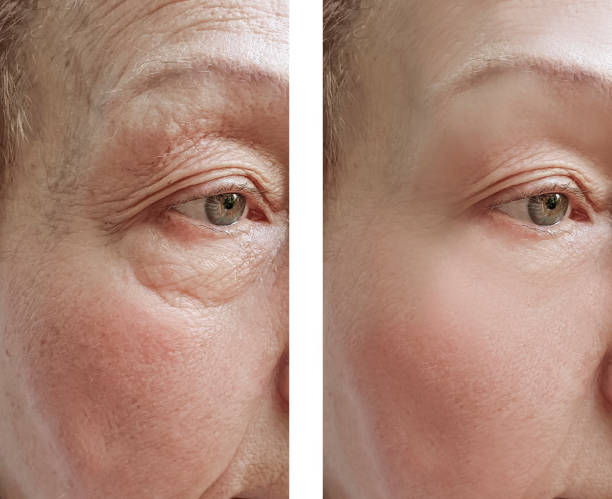
It is also important to keep expectations realistic. Benefits depend on the product’s actual formulation and the available evidence supporting its ingredients. No single beauty product can guarantee the removal of dark circles, under-eye bags or wrinkles.
If you decide to try Kollagen Intensiv, think of it as one possible part of a broader approach that includes hydration, sun protection and healthy daily habits rather than a replacement for them.
10. Give Your Routine Time to Work
One of the most frustrating skincare mistakes is changing products too frequently.
When you try several new products at once, it becomes difficult to tell which ones suit your skin. You may also increase the risk of irritation.
Instead, introduce new products gradually and follow their directions. Take note of changes in dryness, comfort, texture and the appearance of fine lines over several weeks.
Some moisturising products can improve the look of dehydrated skin relatively quickly, while other skincare ingredients may require longer, consistent use. Certain age-related changes may not respond substantially to topical skincare alone.
Focus on improvements you can reasonably expect, rather than searching for overnight transformations.
A Fresher-Looking Eye Care Routine After 40
Ageing skin does not mean you have to accept feeling unhappy with your reflection. It simply means your skincare priorities may need to change as your skin changes.
From protecting collagen with daily sun protection to improving hydration, managing puffiness and choosing gentler products, small adjustments can help you care for the delicate eye area more thoughtfully.
Kollagen Intensiv may be worth considering as part of your overall beauty routine, provided its ingredients and intended use suit your needs and your expectations remain realistic.
Most importantly, remember that tired-looking eyes have many possible causes. The most useful approach is to understand what is affecting your skin, establish consistent habits and choose products for the concerns you actually have.
After 40, effective eye care is less about chasing perfection and more about giving your skin the attention, protection and care it deserves.
Don’t stop here. Subscribe for more practical tips on caring for your eyes as
They age.