The surprising everyday factors that can make your eyes appear more refreshed one morning—and noticeably puffier the next.

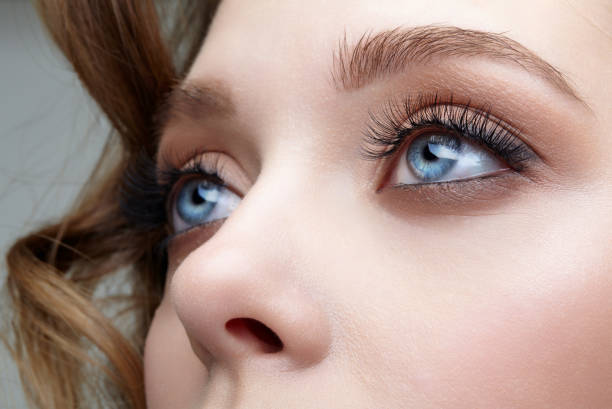
Have you ever looked in the mirror and wondered why your under-eye area seems perfectly normal one day, yet noticeably puffier the next? You’re certainly not alone. Many people assume under-eye puffiness is a permanent feature of aging, but in reality, its appearance can fluctuate for a variety of reasons.
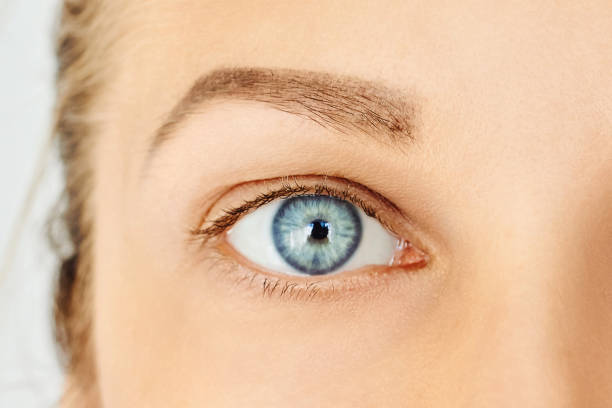
The delicate skin beneath the eyes is one of the thinnest on the body, making even small changes more visible. Everything from the way you sleep to your daily habits, hydration levels, and even the weather can influence how your eyes look from one day to the next. Understanding these everyday factors can help you recognize patterns and make simple adjustments that may improve the overall appearance of your eye area over time.
Why Puffiness Isn’t Always Constant
Unlike wrinkles or skin texture, under-eye puffiness is often influenced by temporary changes occurring within your body. Fluid movement, circulation, inflammation, and lifestyle habits can all affect how full or swollen the area beneath your eyes appears.
Because several factors may work together, puffiness can vary considerably—even within the same week.
Fluid Retention Can Change Overnight
One of the most common reasons for day-to-day puffiness is fluid retention.
While you sleep, fluids naturally redistribute throughout your body. Depending on your sleeping position, some of that fluid may collect beneath the eyes. Sleeping flat on your back or face-down may allow more fluid to remain in this area until you’ve been upright for a while.
This is why many people notice their eyes appear puffiest shortly after waking before gradually improving during the morning.
Salt Intake Plays a Bigger Role Than Many Realise
A particularly salty dinner can sometimes be reflected in your face the following morning.
Sodium encourages the body to retain water, and the under-eye area is especially prone to showing these temporary changes because the skin is so thin.
This doesn’t mean you need to avoid salt completely, but being mindful of highly processed foods may help reduce occasional puffiness.
Sleep Quality Matters as Much as Sleep Quantity
Getting enough sleep is important, but quality matters too.
Interrupted sleep or poor sleep can affect circulation and leave the delicate eye area looking more swollen or tired. Even after spending enough hours in bed, restless sleep may still influence how refreshed your eyes appear the next day.
Creating a consistent bedtime routine can benefit both your overall well-being and your skin’s appearance.

Allergies Can Make Puffiness Worse
Seasonal allergies don’t just cause sneezing and itchy eyes.
When your body reacts to allergens, inflammation can develop around the eyes. Rubbing itchy eyes repeatedly may further irritate the delicate skin, making puffiness even more noticeable.
If your under-eye swelling seems to appear during certain seasons or after exposure to pets, pollen, or dust, allergies could be contributing to the changes.

Hydration Can Affect Skin Appearance
Many people associate drinking more water with healthier-looking skin, and while hydration isn’t a cure for under-eye puffiness, it does support your body’s normal balance.
When you’re dehydrated, your body may respond by holding onto fluids, which can sometimes make swelling appear more noticeable.
Maintaining consistent hydration throughout the day supports your body’s natural processes and may help minimize fluctuations.
Hormonal Changes May Influence Puffiness
Hormonal fluctuations can affect fluid balance throughout the body.
Many women notice subtle facial changes around certain times of the month, including increased puffiness beneath the eyes. These changes are often temporary and usually improve as hormone levels return to their normal pattern.
Recognizing these natural cycles can help explain why your eye area doesn’t always look exactly the same.
Temperature and Weather Can Have an Effect
Hot, humid weather may encourage your body to retain more fluid, while changes in circulation caused by heat can also influence how puffy the under-eye area appears.
On the other hand, dry or cold conditions may leave skin looking less hydrated, making fine lines and shadows more noticeable.
Environmental conditions can subtly change how the eye area looks without any permanent changes occurring.

Ageing Makes Small Changes More Noticeable
As we age, the skin naturally becomes thinner and loses some of its firmness and elasticity.
The tissues supporting the under-eye area gradually change over time, making temporary fluid retention easier to notice than it may have been years earlier.
This is one reason many people feel their under-eye puffiness seems more unpredictable as they get older.

Supporting a Healthier-Looking Eye Area
While occasional puffiness is a normal part of life, there are several habits that may help improve the overall appearance of the delicate skin around your eyes.
Getting consistent, restful sleep, staying well hydrated, limiting excessive salt intake, managing allergies where appropriate, and avoiding frequent eye rubbing can all support healthier-looking skin over time.
Many people also choose skincare products specifically formulated for the eye area to complement these healthy habits. Products designed to support the appearance of smoother, firmer, and more refreshed-looking skin can become a valuable part of a daily skincare routine.
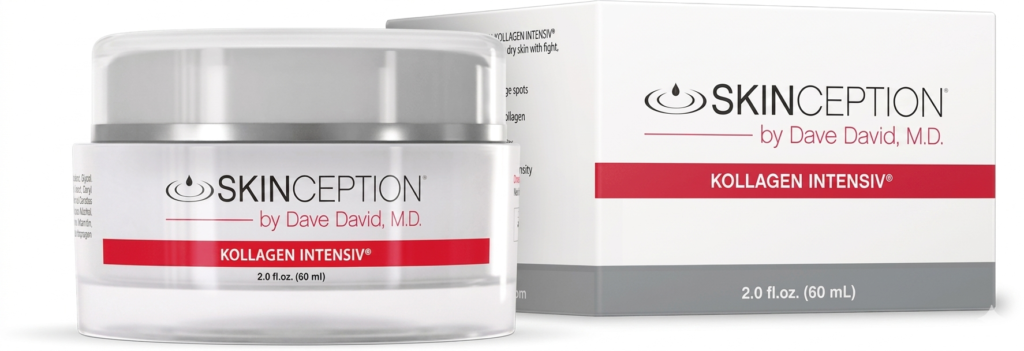
If you’re exploring options, Kollagen Intensiv is one product that many people choose when they’re looking to improve the appearance of visible signs of skin aging around the eyes. Rather than expecting overnight changes, it’s best viewed as part of a consistent skincare routine alongside healthy lifestyle habits.
Learning how a product fits into your overall skincare approach allows you to make informed decisions based on your own goals and expectations.

Conclusion
Under-eye puffiness isn’t always a fixed condition. In many cases, it’s influenced by everyday factors such as sleep quality, hydration, allergies, hormones, diet, weather, and the natural aging process. Because these influences change from day to day, it’s perfectly normal for your eyes to look different from one morning to the next.
The encouraging news is that understanding these patterns gives you greater control over your skincare routine and daily habits. Small lifestyle adjustments, combined with consistent care for the delicate eye area, may help you achieve a fresher, more well-rested appearance over time.
If you’re interested in supporting the appearance of smoother, healthier-looking skin around your eyes, learning more about Kollagen Intensiv could be a worthwhile next step as part of your broader skincare routine.
⭐⭐⭐⭐⭐Kollagen Intensiv™ 74 reviews