Your skin doesn’t stop changing—and the products that once seemed perfect may no longer meet its evolving needs.
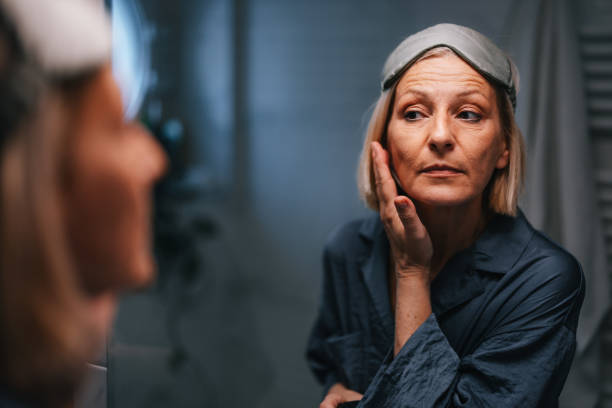
Finding a skincare product that works well can feel like a victory. Maybe you discovered an eye cream in your thirties that kept your skin looking smooth, hydrated, and refreshed. Years later, however, you may notice it no longer delivers the same results.
That doesn’t necessarily mean the product has changed. More often, it’s your skin that has evolved. As we age, the delicate skin around the eyes undergoes natural changes that can affect how skincare products feel and perform. Hydration needs, skin texture, and elasticity all shift gradually over time.
Understanding why this happens can help you make smarter skincare choices instead of assuming you’ve simply chosen the “wrong” product. Sometimes the solution isn’t using more product—it’s using one that’s better suited to your skin’s current needs.
Why Skin Around The Eyes Changes With Age
The eye area is one of the thinnest and most delicate parts of the face. Because it contains less natural oil and experiences constant movement from blinking and facial expressions, it often shows visible signs of aging earlier than other areas.
As the years pass, several natural processes occur:
- Skin gradually becomes thinner.
- Moisture retention becomes less efficient.
- Natural collagen production slows.
- Elasticity decreases.
- Recovery from daily environmental stress takes longer.
These changes don’t happen overnight, but together they can noticeably alter how your favorite skincare products perform.
Hydration Needs Often Increase
Many eye creams designed for younger skin focus on lightweight hydration because younger skin typically holds moisture more effectively on its own.
By your forties and fifties, however, the skin may lose moisture more quickly throughout the day. A formula that once felt perfectly moisturizing may now seem to disappear after only a few hours.
This doesn’t mean the cream is ineffective—it simply may not provide the level of hydration your skin currently requires.
Skin Texture Can Affect Product Absorption
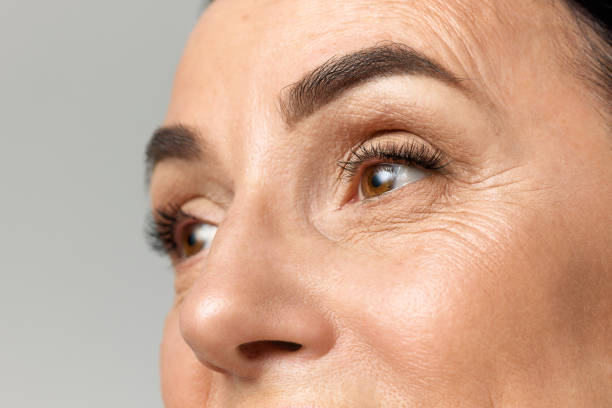
The surface of your skin naturally changes over time.
As cell turnover slows, skin can become slightly rougher or less even than it once was. This may influence how smoothly an eye cream spreads and how comfortably it sits beneath makeup.
Some products that once absorbed effortlessly may now feel lighter than expected, while others may seem to sit on the skin without delivering the same comfortable finish.
Small changes in texture can make familiar products feel surprisingly different.
Lifestyle Changes Also Play A Role
Your skincare routine doesn’t exist in isolation.
Over the decades, many factors can influence how your eye area looks and feels, including:
Sleep patterns
Interrupted sleep may contribute to eyes appearing less refreshed the following day.
Sun exposure
Years of cumulative UV exposure can gradually affect the visible appearance of skin, even if you’ve taken good care of it.
Indoor environments
Air conditioning, heating, and lower humidity levels may leave skin feeling drier than it once did.
Hormonal changes
As hormone levels naturally change with age, skin may become drier or feel less supple than it did in earlier decades.
These factors can make a product that once seemed ideal feel less suited to your current routine.

Your Expectations May Change Too
At thirty, you may have wanted an eye cream that simply kept your skin hydrated before applying makeup.
At fifty, your priorities may be different.
Perhaps you’re looking for skincare that helps the eye area appear smoother, more refreshed, or better hydrated throughout the day. As your goals evolve, you may naturally begin looking for formulas that better align with those changing expectations.
That’s a normal part of adjusting your skincare routine over time.
Choosing Skincare That Matches Your Skin Today
Rather than staying loyal to products simply because they’ve worked in the past, it can be helpful to reassess your routine every few years.
Ask yourself:
- Does your eye area still feel comfortably hydrated by the end of the day?
- Has your skin become drier than it used to be?
- Does your current eye cream still layer well beneath makeup?
- Are your skincare goals different from what they were ten or twenty years ago?
Sometimes small adjustments can make your routine feel more effective without completely overhauling it.
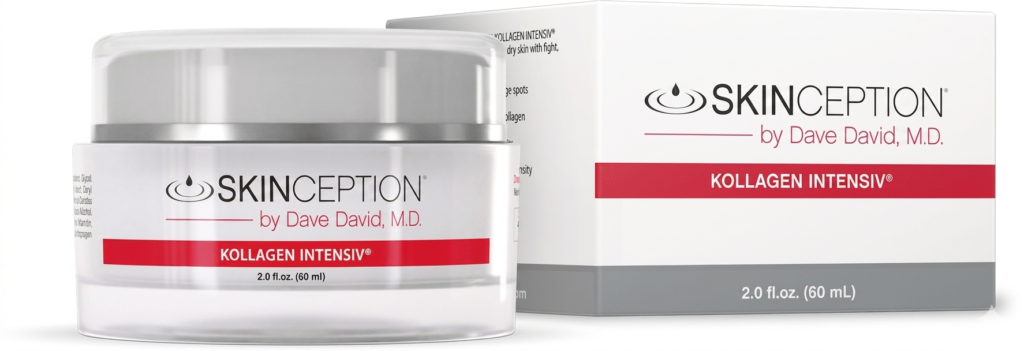
If you’re exploring options specifically designed for mature-looking skin around the eyes, products such as Kollagen Intensiv may be worth learning about. Many people researching skincare for visible signs of aging look for formulas that focus on helping the eye area appear smoother, better hydrated, and more refreshed as part of a consistent daily routine.
Rather than expecting one product to transform your skin overnight, it’s often more realistic to choose skincare that supports your current needs while maintaining healthy daily habits such as gentle cleansing, moisturizing, sun protection, and adequate hydration.

Final Thoughts
The eye cream you loved twenty years ago didn’t necessarily stop working—your skin simply continued changing.
As collagen production slows, moisture levels shift, and skin texture evolves naturally over time, your skincare routine may benefit from occasional updates that reflect where your skin is today rather than where it was years ago.
If you’ve been wondering why a once-favorite eye cream no longer feels quite the same, it may be the perfect opportunity to reassess your routine and explore products designed with mature skin in mind. If you’re interested in learning more, Kollagen Intensiv is one option worth exploring to see whether it aligns with your current skincare goals and preferences.
⭐⭐⭐⭐⭐Kollagen Intensiv™ 74 reviews