The delicate skin around your eyes often reveals dryness before the rest of your face—here’s why proper hydration can make a noticeable difference.

For many people, the problem isn’t necessarily a lack of sleep. Instead, the delicate skin surrounding the eyes may simply be craving more moisture than it’s getting.
The eye area is one of the first places to show visible signs of dryness, fine lines, and fatigue. Even people with oily or combination skin can experience dehydration around their eyes because this fragile area functions differently than the rest of the face.
Understanding why the eye area needs extra moisture can help you make smarter skincare choices and support smoother, healthier-looking skin over time.
Why This Topic Matters
The skin surrounding your eyes is incredibly thin and delicate. Because of this, it loses moisture more easily than other parts of your face.
When hydration levels drop, the effects often become noticeable quickly. You may begin to see:
- Fine lines appearing more noticeable
- A rough or tight feeling
- A dull, tired-looking appearance
- Makeup settling into creases
- Skin that looks less smooth throughout the day
While aging is completely natural, keeping the skin properly moisturized can help maintain a fresher, healthier appearance.
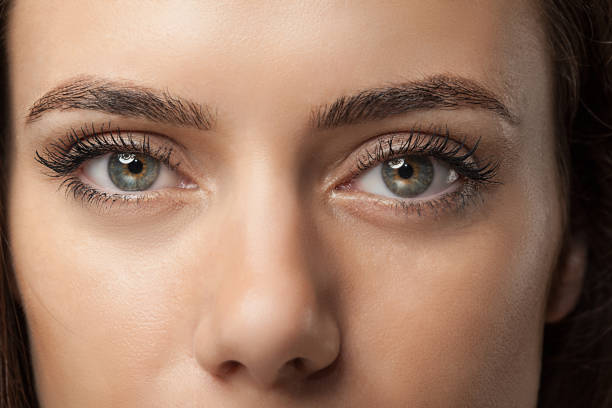
Why The Eye Area Needs Extra Moisture
Several unique characteristics make this area more vulnerable to dryness.
Thinner Skin
The skin around the eyes contains fewer protective layers than many other areas of the face.
Because it is thinner, moisture escapes more easily through a process known as transepidermal water loss (TEWL). When hydration decreases, fine lines often become more visible.
Fewer Oil Glands
Unlike the forehead, nose, or cheeks, the under-eye area contains relatively few oil-producing glands.
Natural oils help protect the skin barrier and lock in moisture. With less oil available, the eye area often relies more heavily on moisturizing skincare products.
Constant Movement
Every smile, blink, laugh, squint, or facial expression stretches this delicate skin.
Since we blink thousands of times each day, the eye area experiences constant movement. Well-hydrated skin generally appears softer and more flexible during these repetitive motions.
Environmental Stress
Daily exposure to external factors can gradually reduce moisture levels.
Common examples include:
- Dry indoor heating
- Air conditioning
- Wind
- Sun exposure
- Cold weather
- Pollution
These environmental stressors may weaken the skin barrier over time if proper hydration isn’t maintained.
Common Mistakes That Leave Eyes Looking Dry
Many skincare routines unintentionally overlook the needs of the eye area.
Some of the most common mistakes include:
Using Harsh Cleansers
Strong cleansers may remove more than dirt and makeup.
They can also strip away the skin’s natural protective oils, leaving the delicate eye area feeling dry.
Applying Moisturizer Too Sparingly
Some people avoid applying moisturizer near the eyes altogether.
While certain facial products may irritate sensitive skin, gentle formulas designed for delicate areas can help maintain hydration.
Forgetting Daily Sun Protection
UV exposure doesn’t only affect skin tone—it can also contribute to moisture loss and premature visible aging.
Applying sunscreen around the eye area (when suitable for that region) is an important part of a complete skincare routine.
Ignoring Hydration From Within
Healthy-looking skin depends on more than topical products.
Lifestyle habits such as staying hydrated, eating nutrient-rich foods, and getting enough sleep all contribute to skin that appears healthier.
Lifestyle Factors That Influence Moisture Levels
Skincare products are only one piece of the puzzle.
Several everyday habits may affect how hydrated your eye area looks.
These include:
- Not drinking enough water
- Poor sleep quality
- Smoking
- Excessive alcohol intake
- High stress levels
- Low humidity environments
While none of these factors alone determine how your skin looks, together they can influence overall skin hydration.
Why Many People Overlook This Issue
Ironically, most people focus on wrinkles instead of what may be causing them to appear more noticeable.
When skin becomes dehydrated, tiny dehydration lines often become temporarily more visible.
Instead of immediately reaching for stronger treatments, restoring moisture may help improve the skin’s overall appearance.
Because dryness develops gradually, many people don’t realize their eye area has become dehydrated until the changes become more obvious.
Learning to recognize early signs of moisture loss can help you adjust your skincare routine before dryness becomes more noticeable.

Practical Tips To Help Keep The Eye Area Moisturized
Small changes often make a meaningful difference over time.
Consider incorporating these habits into your daily routine:
- Apply moisturizer while skin is still slightly damp after cleansing.
- Choose gentle skincare products designed for sensitive skin.
- Avoid rubbing your eyes unnecessarily.
- Wear sunglasses outdoors to reduce squinting and protect against UV exposure.
- Use a humidifier during dry seasons if indoor air feels particularly dry.
- Prioritize consistent sleep whenever possible.
- Eat foods rich in healthy fats and antioxidants that support overall skin health.
- Stay hydrated throughout the day.
Consistency usually delivers better long-term results than constantly switching products.
Supporting Hydrated, Healthy-Looking Skin
Many people also choose skincare products that focus on improving hydration while supporting smoother-looking skin around the eyes.
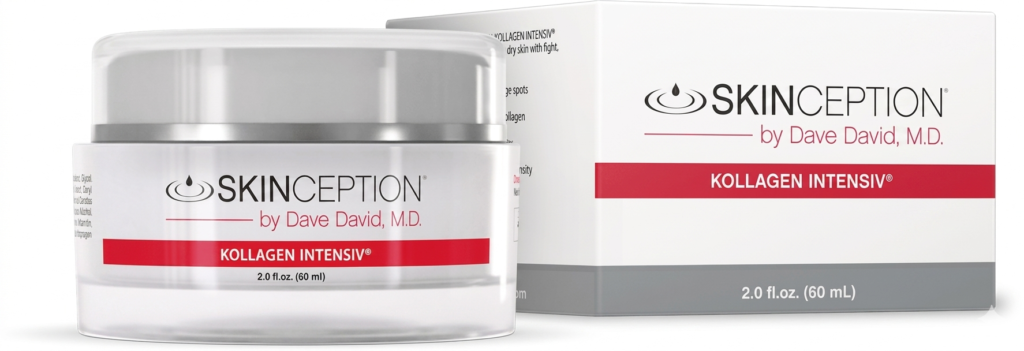
One option worth exploring is Kollagen Intensiv.
Rather than promising unrealistic results, Kollagen Intensiv is designed to support skin hydration and improve the appearance of smoother, healthier-looking skin. Its moisturizing ingredients work alongside a consistent skincare routine, helping the delicate eye area look softer and better nourished.
If you’re interested in learning more about how it works, you can explore additional information through the link below and decide whether it fits your personal skincare goals.
Myth vs. Fact

Myth: Oily skin doesn’t need extra moisture around the eyes.
Fact: Even oily skin can experience dehydration, especially in the delicate eye area where fewer oil glands exist.
Myth: Drinking water alone eliminates dry under-eyes.
Fact: Hydration is important, but topical moisturizers also help support the skin barrier and reduce moisture loss.
Myth: Expensive products always work better.
Fact: Ingredient quality, consistency, and choosing products suited to your skin matter far more than price alone.
Myth: Fine lines always mean aging.
Fact: Some fine lines become more noticeable when skin is dehydrated and may appear softer once moisture is restored.
Frequently Asked Questions

Why does the skin around my eyes become dry so easily?
The skin around the eyes is thinner than much of the face and contains fewer oil glands, making it naturally more prone to moisture loss.
Can dehydration make under-eye lines look worse?
Yes. When skin lacks moisture, dehydration lines can temporarily appear more noticeable, making the eye area look less smooth.
Should I moisturize morning and night?
For many people, applying a gentle moisturizer twice daily helps maintain consistent hydration. Individual skincare needs may vary.
Is eye cream necessary?
Not everyone needs a separate eye cream, but products formulated specifically for the delicate eye area may be beneficial for sensitive skin.
Can lifestyle habits affect under-eye hydration?
Absolutely. Sleep, nutrition, hydration, sun protection, stress management, and environmental conditions all play a role in overall skin health.

Key Takeaways
The eye area deserves extra attention because it naturally loses moisture more easily than other parts of the face.
Remember these important points:
- Thin skin requires gentle care.
- Hydration helps skin appear smoother and healthier.
- Daily habits influence moisture levels.
- Sun protection supports long-term skin health.
- Consistency often matters more than using many different products.
- Well-formulated skincare products may complement a balanced routine.
Conclusion
Healthy-looking eyes aren’t only about reducing the appearance of fine lines—they’re also about protecting one of the most delicate areas of your skin.
Understanding why the eye area needs extra moisture allows you to make informed choices that support hydration every day. From using gentle skincare products to maintaining healthy lifestyle habits, small improvements can add up over time.

If you’re looking for a skincare product that focuses on supporting smoother, healthier-looking skin around the eyes, Kollagen Intensiv may be worth exploring as part of your daily routine. You can learn more through the affiliate link below and decide whether it’s a good fit for your skincare goals.
Beautiful skin isn’t built overnight. It’s often the result of consistent care, thoughtful habits, and giving delicate areas like the eyes the extra moisture they naturally need.
⭐⭐⭐⭐⭐ Trusted by Thousands of Happy Customers • 67-Day Money-Back Guarantee