The delicate skin around your eyes follows different rules—and understanding those differences may explain why tiredness, fine lines, puffiness, and other visible changes often seem to appear there first.
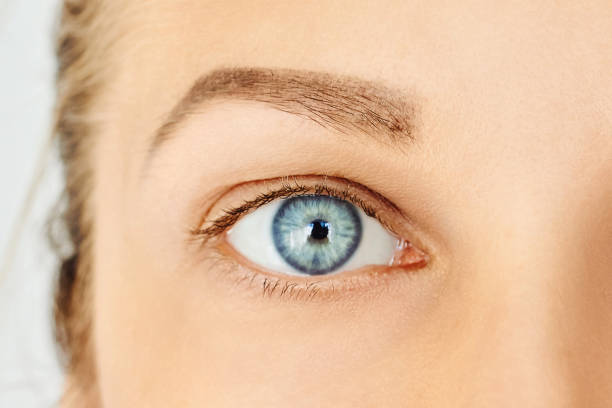
You can follow a consistent skincare routine, protect your face from the sun, and still look in the mirror one morning and wonder why your eye area seems to be changing faster than everything else.
Perhaps fine lines suddenly look more noticeable. Your under-eyes may appear less smooth, more shadowed, or simply more tired than you feel. Meanwhile, the skin on your cheeks and forehead may not seem to show the same changes.
There is a reason for that difference.
The eye area has unique structural and functional characteristics that can make visible changes especially noticeable. Once you understand what makes this small area different from the rest of your face, it becomes easier to understand why it may need more thoughtful care—and why treating your entire face exactly the same may not always give you the appearance you want.

1. The Skin Around Your Eyes Is Especially Thin
One of the biggest differences is the delicate nature of the skin surrounding your eyes.
Compared with many other areas of the face, the eye area has thinner skin. This means changes beneath and within the skin can sometimes become more visually apparent.
When skin begins to look less firm or smooth with age, even subtle changes may stand out more around the eyes. Shadows, underlying structures, and changes in texture can also become easier to notice.
This helps explain why someone may feel that their eyes suddenly look older even when the rest of their complexion still appears relatively smooth.
The difference may not necessarily be that ageing is occurring only around the eyes.
It may simply be more visible there.
2. Your Eye Area Is Constantly Moving
Think about how often your eyes move throughout a normal day.
You blink thousands of times. You smile, squint, laugh, concentrate, and react to bright light. Every one of these expressions involves movement in the skin surrounding your eyes.
Over time, repeated facial expressions can contribute to the appearance of expression lines.
This is especially noticeable near the outer corners of the eyes, where fine lines may become increasingly visible during smiling or squinting before eventually becoming noticeable even when the face is relaxed.
Movement is completely natural—you certainly should not try to stop expressing yourself.
But it does help explain why the eye area can develop visible lines differently from areas of the face that experience less repetitive movement.

3. There Is Less Natural Cushioning Around Certain Areas
The appearance of your face is influenced by more than the skin you can see.
Underlying fat, bone structure, muscles, and soft tissue all affect how light and shadow appear across your features.
Around the eyes, changes in these supporting structures can become particularly noticeable.
As facial contours gradually change with age, the transition between the lower eyelid and cheek may look different. This can create shadows that make the under-eye area appear more hollow, tired, or pronounced.
That distinction matters because what appears to be a simple “dark circle” is not always purely a skin-colour issue.
Sometimes the way light falls across the contours beneath the eyes plays a significant role in what you see in the mirror.
4. Puffiness Can Change the Entire Look of Your Eyes
The eye area can also be particularly noticeable when temporary fluid accumulation or swelling occurs.
A late night, allergies, crying, dietary factors, or simply waking up in the morning can sometimes make the under-eye area appear puffier than usual.
Because the surrounding skin is delicate, even relatively small changes can alter the appearance of the eyes.
Puffiness may also create additional shadows beneath raised areas, making the eyes appear more tired.
This is one reason your eye area can look noticeably different from one day to the next—even when the rest of your face looks almost unchanged.
5. Dryness Can Make Texture More Noticeable
When the eye area lacks adequate moisture, fine surface lines and uneven texture may become more apparent.
This does not necessarily mean new wrinkles have suddenly developed overnight.
Dehydrated-looking skin can temporarily emphasise texture that was already present.
The challenge is that the eye area also requires gentleness. Aggressively rubbing, scrubbing, or repeatedly pulling at delicate skin while cleansing or removing makeup can create unnecessary irritation.
A better approach is usually consistent, gentle care focused on maintaining a comfortable, hydrated-looking skin surface.
When skin looks smoother and better moisturised, the overall eye area may appear fresher and more refined.

6. Sun Exposure Can Affect This Delicate Area Too
It is easy to focus sunscreen on the forehead, nose, and cheeks while paying less attention to the skin surrounding the eyes.
However, cumulative ultraviolet exposure contributes to visible skin ageing.
The challenge is that people often squint in bright sunlight as well, combining UV exposure with repeated facial movement.
Wearing appropriate broad-spectrum sun protection, sunglasses, and a hat can help protect the area while also reducing the need to constantly squint outdoors.
This is not about trying to prevent every line.
It is about reducing avoidable factors that may make visible ageing more pronounced over time.
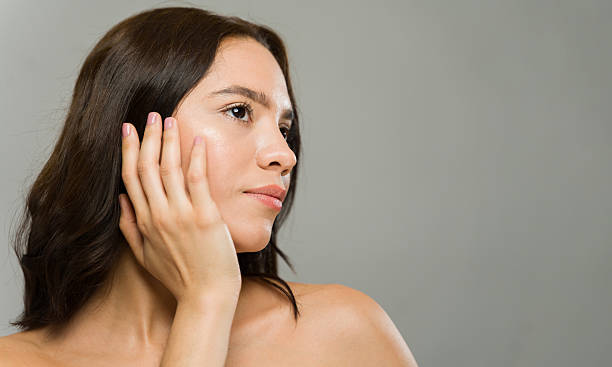
What Can You Do Differently for the Eye Area?
Understanding why the eye area is different changes the way you think about skincare.
Instead of expecting one product or one habit to erase every concern, it helps to focus on the factors you can realistically influence.
Gentle cleansing, daily sun protection, avoiding unnecessary rubbing, supporting skin hydration, getting adequate rest, and maintaining a consistent skincare routine can all contribute to a healthier-looking appearance.
For women particularly concerned about visible signs of ageing, another consideration is choosing skincare formulated with the appearance of ageing skin in mind.
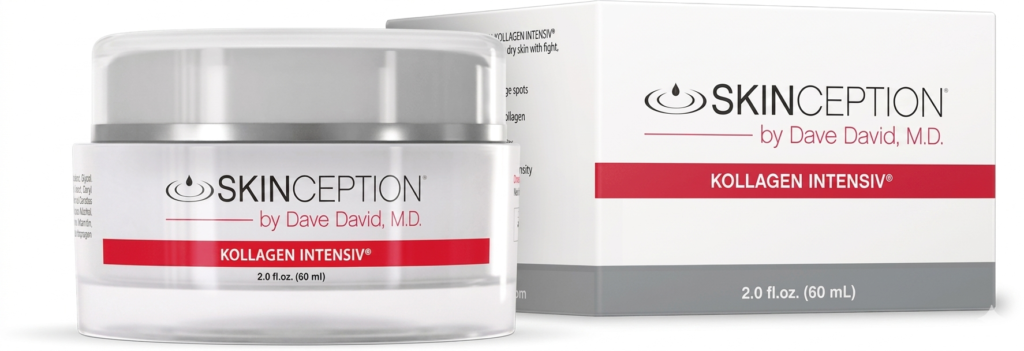
This is where a product such as Kollagen Intensiv may become worth exploring.
Rather than viewing any cream as an instant solution, it makes more sense to consider how it fits into a broader skincare routine. Someone noticing fine lines, changes in texture, or skin that no longer looks as smooth and youthful as it once did may want to learn more about what the formula is designed to do and decide whether it suits her individual skincare goals.
Consistency matters more than chasing overnight transformations.
The goal should be to support the appearance of your skin over time while protecting it from factors that can make visible ageing more noticeable.
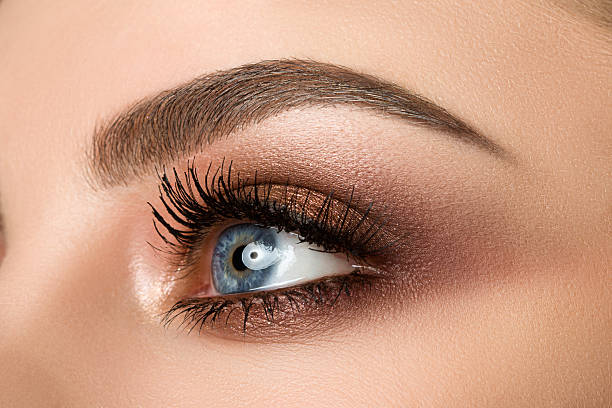
Your Eyes May Need a Different Kind of Attention
The eye area occupies only a small part of your face, yet it can have an enormous influence on how rested, refreshed, and youthful your overall appearance seems.
Its delicate skin, constant movement, underlying facial structure, tendency toward visible puffiness, and vulnerability to dryness and sun exposure all help explain why changes can seem to appear there sooner—or simply look more obvious.
That is why caring for your eye area is not necessarily about doing more.
It is about understanding what makes this area different and making smarter choices based on those differences.
If visible lines, texture, or other signs of skin ageing are becoming more noticeable to you, you may also want to take a closer look at Kollagen Intensiv, how it is intended to fit into an anti-ageing skincare routine, and whether it aligns with the results you are hoping to support.
⭐⭐⭐⭐⭐Kollagen Intensiv™ 74 reviews