The delicate skin around your eyes often reveals the first visible signs of ageing—but understanding why it happens can help you protect a brighter, healthier-looking appearance for years to come.

The first place many people notice a change in their appearance isn’t their forehead, cheeks, or smile lines—it’s the skin around their eyes.
One day, your eyes look bright and refreshed. Then seemingly overnight, you notice fine lines, puffiness, darker-looking circles, or skin that simply doesn’t look as smooth as it once did.
The surprising part? These changes often begin long before most people realise they are happening.
Understanding why the eye area changes faster than you think can help you make smarter skincare decisions and develop habits that support healthier-looking skin over time. The good news is that many of the factors involved are within your control.
Why the Eye Area Ages So Quickly
The skin surrounding the eyes is unlike the skin on the rest of your face.
It is naturally thinner, contains fewer oil glands, and experiences constant movement every time you smile, blink, squint, or express emotion. Since the average person blinks thousands of times each day, this delicate area experiences continuous mechanical stress.
Over time, these repeated movements combine with natural ageing to make visible changes appear sooner than many expect.
Additional factors include the following:
- Gradual collagen decline with age
- Reduced skin elasticity
- Daily UV exposure
- Environmental pollution
- Dehydration
- Lifestyle habits
- Natural changes in circulation
Because the eye area has less structural support than other parts of the face, even small changes become more noticeable.

Why This Matters More Than Most People Realize
Many people spend considerable time caring for the rest of their face while giving very little attention to the eye area.
Unfortunately, this often means the earliest visible signs of skin ageing receive the least targeted care.
The appearance of tired-looking eyes can influence how youthful, energetic, and healthy your overall complexion appears—even if the rest of your skin looks great.
That’s why building healthy skincare habits before significant changes develop is often more effective than trying to reverse them later.
Everyday Habits That Can Speed Up Visible Changes
While ageing is completely natural, several everyday habits may contribute to skin looking older sooner.
Skipping Daily Sun Protection
Ultraviolet exposure remains one of the biggest contributors to premature skin ageing.
Even on cloudy days, UV rays can gradually affect collagen and elastin, making fine lines appear more noticeable over time.
Sunglasses and sunscreen designed for facial use can help protect this delicate area.
Poor Sleep Quality
Sleep is when your skin performs many of its natural repair processes.
Consistently inadequate sleep may contribute to a tired-looking appearance, temporary puffiness, and skin that appears less refreshed.
Rubbing Your Eyes
Whether caused by allergies, fatigue, or habit, frequent rubbing creates unnecessary friction on delicate skin.
Gentle treatment is always better than aggressive rubbing.
Dehydration
When skin lacks adequate moisture, fine lines often become more visible.
Supporting hydration through both skincare and healthy daily water intake helps skin appear smoother.
Scientific Factors Behind Faster Eye Aging
Several biological changes occur naturally as we age.
These include:
Slower Collagen Production
Collagen provides structure and firmness to the skin.
Beginning in adulthood, collagen production gradually decreases each year, making thinner skin—like the skin around the eyes—more susceptible to visible changes.
Reduced Elasticity
Elastin allows skin to bounce back after movement.
As elastin declines, skin may not recover as easily from repeated facial expressions.
Lower Natural Oil Production
The eye area produces less oil than many other parts of the face.
This makes it more vulnerable to dryness, which can emphasise the appearance of fine lines.
These natural processes explain why many people notice eye-area changes before seeing significant ageing elsewhere.
Why So Many People Overlook This Issue
Ironically, the eye area receives some of the most attention after visible changes appear—but often very little before.
Many people focus only on foundation, concealer, or cosmetic solutions instead of supporting the health of the skin itself.
Others assume visible changes happen suddenly.
In reality, they usually develop gradually over months and years through a combination of genetics, environment, and daily habits.
The earlier healthy skincare routines begin, the easier it becomes to maintain smoother-looking skin.

Common Mistakes That Can Make the Eye Area Look Older
Small habits can have a surprisingly large impact over time.
Some common mistakes include:
- Using harsh facial cleansers around the eyes
- Applying skincare products too aggressively
- Forgetting sunscreen near the eye area
- Sleeping in makeup
- Frequently squinting without sunglasses
- Ignoring hydration
- Using products inconsistently
Consistency generally produces better long-term results than constantly switching between products.
Practical Tips You Can Start Today
Fortunately, supporting healthier-looking skin around the eyes doesn’t require an overly complicated routine.
Consider these simple habits:
- Apply skincare products gently using your ring finger.
- Wear sunglasses outdoors to reduce UV exposure and squinting.
- Prioritise quality sleep whenever possible.
- Keep your skin well hydrated.
- Choose products formulated specifically for delicate eye-area skin.
- Maintain a balanced diet rich in antioxidants and healthy fats.
- Avoid smoking, which is associated with accelerated skin ageing.
- Be patient—healthy-looking skin develops through consistent care.
Small improvements practised daily often make a greater difference than occasional intensive treatments.

Supporting the Eye Area with Targeted Skincare
While healthy lifestyle habits create the foundation, many people also choose skincare products formulated specifically for the delicate skin around the eyes.
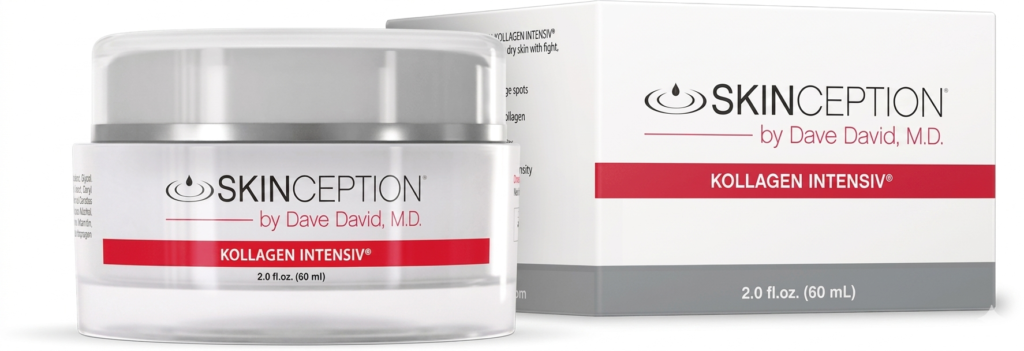
One option worth exploring is Kollagen Intensiv.
Rather than promising unrealistic overnight transformations, it is designed to support healthier-looking skin by helping improve the appearance of hydration and smoother-looking texture around the eye area as part of a consistent skincare routine.
Combined with good sun protection, quality sleep, and gentle skincare habits, it may complement an overall approach to maintaining a refreshed appearance.
If you’re curious about whether it’s a good fit for your skincare routine, you can learn more through the link below and explore the ingredients, directions, and customer experiences before making your own decision.
Myth vs. Fact

Myth: Only older adults need eye care.
Fact: Preventive skincare habits can benefit adults of many ages since collagen changes begin earlier than most people expect.
Myth: Expensive products automatically work better.
Fact: Consistency, appropriate ingredients, and realistic expectations matter more than price alone.
Myth: Fine lines always mean your skin is unhealthy.
Fact: Fine lines are a normal part of ageing. Healthy skincare focuses on supporting the skin’s appearance rather than eliminating every sign of age.
Myth: Drinking more water alone removes under-eye concerns.
Fact: Hydration supports healthy skin, but sleep, sun protection, genetics, skincare habits, and overall lifestyle also play important roles.
Frequently Asked Questions

Why does the skin around the eyes wrinkle first?
Because it is thinner, produces less oil, and moves constantly throughout the day, making natural ageing more noticeable earlier.
Can lifestyle really affect how the eye area looks?
Yes. Sleep, sun exposure, hydration, smoking, nutrition, and skincare habits all influence the appearance of the skin over time.
Is it too late to start caring for the eye area?
Not at all. Healthy skincare habits can support healthier-looking skin at any age.
Should I use regular facial moisturiser around my eyes?
Some facial moisturisers are suitable, but products specifically designed for the delicate eye area are often formulated with that thinner skin in mind.
Does collagen naturally decrease with age?
Yes. Natural collagen production gradually declines as we age, which contributes to visible skin changes throughout the body.
Key Takeaways
- The eye area naturally shows visible ageing earlier because the skin is thinner and more delicate.
- Daily habits influence how the skin looks over time.
- Sun protection, hydration, sleep, and gentle skincare all play important roles.
- Consistency is more valuable than chasing quick fixes.
- Targeted skincare products may help support healthier-looking skin as part of a complete routine.
Final Thoughts
The eye area tells a story—not only about age, but also about the everyday choices we make.
While no product or routine can stop the natural ageing process, understanding why the eye area changes faster than you think allows you to take practical steps that support healthier-looking skin for years to come.
Simple habits practised consistently often produce the most meaningful long-term improvements.

If you’d like to discover one skincare option designed specifically for the delicate eye area, take a look at Kollagen Intensiv through my affiliate link below. Learn about its ingredients and how it fits into a daily routine, and decide whether it’s the right addition to your skincare regimen.
Your future skin will benefit far more from informed, consistent care than from chasing miracle claims—and that’s a strategy worth remembering.
⭐⭐⭐⭐⭐ Trusted by Thousands of Happy Customers • 67-Day Money-Back Guarantee