

Have you ever looked in the mirror and wondered why your eyes look tired, even when the rest of your face seems perfectly fine? Perhaps you have noticed darker circles, morning puffiness, fine lines, or skin that appears thinner and less smooth than it used to be.
The answer may lie in something many people overlook: the skin around your eyes is naturally different from the skin on the rest of your face.
This delicate area responds differently to ageing, hydration, sleep, and everyday environmental exposure. As the years pass, these differences can become more noticeable, making your eyes appear older or more fatigued than you actually feel.
Understanding why this happens is the first step toward building a skincare routine that gives the eye area the attention it deserves.

Why the Skin Around Your Eyes Is So Delicate
The skin around your eyes is among the thinnest on your entire body. Unlike the skin on your cheeks or forehead, it has less protective cushioning and a relatively delicate supporting structure.
This means changes in hydration, circulation, and skin elasticity can become visible more quickly.
The eye area also moves constantly throughout the day. Every blink, smile, squint, and facial expression creates movement in the surrounding skin. Over time, repeated movements can contribute to the development of fine lines.
Because this skin is so delicate, even small changes can affect how your face looks.
For example, a little extra fluid beneath the eyes can create puffiness, while changes in pigmentation or the visibility of underlying blood vessels can make dark circles more noticeable.
It is not necessarily a sign that your skincare routine is failing. Sometimes, the eye area simply needs a different approach.
Skinception kollagen Intensiv Official Website:
How Collagen Loss Affects the Appearance of Your Eyes
Collagen is an important structural protein that helps give skin its strength, support, and firmness. Elastin also plays a role by helping skin return to its original shape after movement.
As we age, the body’s natural production of collagen gradually declines. Existing collagen structures also change, affecting the skin’s overall appearance and resilience.
These changes can be particularly noticeable around the eyes because the skin is already so thin.
You might begin to notice:
- Fine lines becoming more visible when you smile.
- Skin appearing less firm beneath the eyes.
- Creases that remain noticeable after your facial muscles relax.
- A more tired appearance, even after a reasonable night’s sleep.
Collagen loss is only one part of the ageing process. Genetics, sun exposure, facial structure, and everyday habits can also influence how the eye area changes over time.
Although skincare cannot completely prevent natural ageing, a consistent routine can help support the skin’s appearance and protect it from avoidable damage.

Why Dryness Makes Fine Lines Look More Noticeable
Hydration is another important factor in the appearance of the skin around your eyes.
When the skin lacks sufficient moisture, its surface can look less smooth. Fine lines may appear more pronounced, particularly around the corners of the eyes and beneath the lower eyelids.
This does not always mean that permanent wrinkles have suddenly developed. Sometimes, temporary dehydration makes existing lines easier to see.
The eye area can be especially vulnerable because its delicate protective barrier may be affected by harsh cleansers, irritating products, cold weather, or excessive rubbing.
A gentle moisturiser formulated for the eye area may help improve surface hydration and temporarily soften the appearance of fine lines.
Look for ingredients such as glycerin, hyaluronic acid, and ceramides, which can help attract moisture or support the skin barrier.
Applying products gently is just as important. Avoid pulling or stretching the skin, and introduce new skincare ingredients gradually if your skin is sensitive.
What Causes Dark Circles and Puffy Eyes?
Dark circles and puffiness are two of the most common reasons people feel their eyes make them look older.
However, they do not always have the same cause.
Dark circles beneath the eyes
Dark circles can result from several factors, including genetics, pigmentation, visible blood vessels, and shadows created by the natural shape of the eye area.
As skin becomes thinner with age, underlying structures may become more visible. Changes in the area beneath the eyes can also create hollows that cast shadows, making the skin appear darker.
Lack of sleep may make dark circles more noticeable, but it is not the only explanation.
Sun exposure can contribute to pigmentation, while allergies and frequent eye rubbing may also affect the appearance of the surrounding skin.
Puffiness and under-eye bags
Puffiness often occurs when fluid accumulates around the eyes. It may be more noticeable after waking, following a salty meal, or during periods of poor sleep.
Allergies, genetics, and age-related changes in the tissues around the eyes can also contribute.
Simple habits may help reduce temporary puffiness, including getting adequate sleep, avoiding excessive salt intake, and using a cool compress for a few minutes.
Persistent swelling, especially if it affects only one eye or comes with pain or changes in vision, should be assessed by a healthcare professional.
Everyday Habits That Can Make a Difference
You do not need an elaborate skincare routine to take better care of the eye area. Consistent, sensible habits can make a meaningful difference to the skin’s appearance over time.
Consider these practical steps:
- Protect your skin from the sun. Use broad-spectrum SPF 30 or higher and wear sunglasses to reduce UV exposure and squinting.
- Prioritise sleep. Regular, adequate sleep may help reduce the tired appearance associated with temporary puffiness.
- Maintain hydration. Drink enough water to meet your body’s needs and use a moisturiser that suits your skin.
- Be gentle when cleansing. Avoid rubbing your eyes or tugging at the delicate skin when removing makeup.
- Keep your routine consistent. Regular skincare habits are generally more useful than frequently switching between products in search of immediate results.
These steps will not eliminate every wrinkle or dark circle, but they can help support healthier-looking skin and reduce some contributing factors.
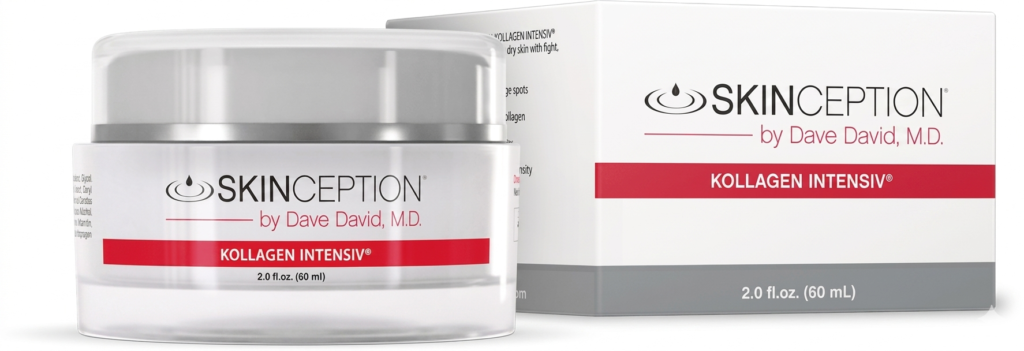
Could Kollagen Intensiv Fit Into Your Beauty Routine?
When concerns about fine lines, firmness, and ageing skin become more noticeable, it is natural to look for ways to support your existing skincare routine.
Kollagen Intensiv is a product that may be worth considering as part of a broader beauty regimen for people interested in the appearance of ageing skin.
Its suitability depends on the individual product formulation, ingredients, and directions for use. Before incorporating it into your routine, review the ingredient list and ensure the product is appropriate for your skin and personal needs.
It is important to maintain realistic expectations. No single skincare product can reverse the natural ageing process, and results will vary between individuals. Claims about collagen production, wrinkle reduction, or other specific benefits should be assessed against reliable evidence for the particular ingredients and formulation.
If your main concerns are dryness and fine lines around the eyes, remember that a product designed for general facial skin may not necessarily be suitable for direct application to this delicate area. Follow the product instructions and avoid getting skincare products into your eyes.
Kollagen Intensiv is best viewed as a potential part of an overall beauty routine rather than a replacement for sun protection, moisturising, adequate sleep, and other healthy habits.
A balanced approach is more sensible than expecting one product to address every concern, from dark circles to puffiness and deeper wrinkles.
Why Your Eyes Deserve a Different Skincare Approach
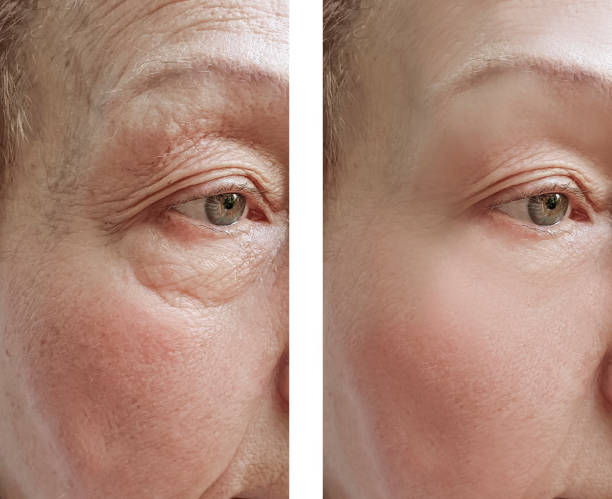
The skin around your eyes has different needs because of its delicate structure, limited thickness, and constant movement. These characteristics make changes in hydration, collagen support, pigmentation, and elasticity more visible than they might be elsewhere on your face.
That is why the most effective approach begins with understanding what is contributing to your particular concerns.
Dryness may respond to better moisturising, while temporary puffiness may improve with simple lifestyle adjustments. Sun protection can help limit further UV-related skin damage, and consistent skincare can support a smoother, healthier-looking appearance.
Collagen-related changes are a natural part of ageing, but they do not mean you have to abandon your skincare goals.
By treating the eye area gently, choosing suitable products, and maintaining realistic expectations, you can give this delicate skin the care it needs.
Your eyes do not have to look as tired as you feel. With a better understanding of what makes the surrounding skin different, you can make more informed choices and build a beauty routine that supports your skin at every stage of life.
Want more tips for younger-looking eyes? Subscribe for simple eye-care advice
delivered to your inbox.