A higher price tag can feel like a shortcut to younger-looking eyes—but what you’re paying for and what your skin actually needs may be two very different things.

When the skin around your eyes starts looking less smooth, more tired, or noticeably different than it once did, it’s tempting to assume the solution must come with a premium price tag.
After all, luxury eye care often arrives in beautiful packaging, uses sophisticated language, and promises an elevated skincare experience. It can be easy to associate expensive with effective.
But price alone doesn’t determine how well a skincare product will suit your skin—or whether it addresses the visible concerns that matter most to you.
The eye area is influenced by everything from dryness and sun exposure to facial movement and natural changes in skin over time. Understanding those factors can help you look beyond the price tag and make more informed choices about where your skincare budget actually goes.
1. You May Be Paying for More Than the Formula
Premium skincare pricing can reflect many things beyond what is inside the jar.
Packaging, branding, advertising, celebrity partnerships, retail positioning, and the overall luxury experience can all contribute to the final price.
None of this automatically means an expensive product is ineffective. It simply means price should not be treated as proof of better results.
An elegant container may make a product feel special, but your skin responds to the formula and how you use it—not the prestige surrounding it.
That makes it worth asking a different question:
Am I choosing this because it suits my skincare needs, or because the price makes it seem more powerful?

2. Your Eye-Area Concern Matters More Than the Price
Not every visible eye-area concern has the same cause.
Fine lines may appear more noticeable when skin is dry. Puffiness can change from morning to evening. Shadows and hollows may affect how rested your eyes appear, while years of facial movement and environmental exposure can influence skin texture.
This is why buying the most expensive eye product on the shelf without first considering what you actually want to improve can be disappointing.
A better approach is to identify your main cosmetic concern.
Are you trying to make dry-looking lines appear less obvious? Are you focused on smoother-looking skin? Does the area simply look less fresh and youthful than it used to?
The clearer you are about the problem, the easier it becomes to evaluate products based on relevance rather than price.

3. Consistency Often Matters More Than Luxury
Even a carefully formulated skincare product cannot do much sitting unopened in a bathroom cabinet.
One reason people become frustrated with eye care is that they expect dramatic changes after only a handful of applications. When that doesn’t happen, they may jump to another product—often an even more expensive one.
Skincare is generally better viewed as a routine rather than a one-time fix.
Using products as directed, moisturising consistently, protecting skin from excessive sun exposure, and giving a routine enough time to evaluate how your skin responds can be more sensible than constantly chasing the next luxury launch.
A product you can comfortably incorporate into your routine may ultimately make more sense than something so expensive that you use tiny amounts or hesitate to repurchase it.
4. More Products Don’t Automatically Create Better-Looking Skin
The premium beauty world can make a long routine seem essential.
Eye serum. Eye cream. Overnight eye mask. Firming treatment. Brightening treatment. Facial oil.
Before long, the eye area may be receiving layer after layer of different formulas.
More isn’t necessarily better.
The skin around the eyes is relatively delicate, and overly complicated routines may make it harder to understand which products actually suit you. Introducing multiple products at once also makes it difficult to identify what is helping—or what may be causing irritation.
A simpler, well-considered routine can often be easier to maintain and evaluate.
Instead of measuring the quality of your routine by how many expensive bottles you own, focus on whether each step has a clear purpose.
5. Some Factors Can’t Be Solved by Buying a Pricier Cream
There is another reason expensive eye care can sometimes disappoint: not everything affecting the appearance of your eyes is purely a skincare issue.
Genetics, facial structure, sleep patterns, allergies, sun exposure, natural ageing, and everyday lifestyle factors can all influence how the eye area looks.
For example, a cream may help skin feel moisturised and improve the appearance of dryness, but it cannot fundamentally change your bone structure or guarantee the disappearance of every shadow, line, or sign of ageing.
Recognising these limitations can actually make shopping for skincare easier.
Instead of searching for a miracle product, you can focus on realistic cosmetic goals—such as supporting smoother-looking, hydrated, more cared-for skin.

6. The Best Value Is the Product That Fits Your Routine and Expectations
“Value” and “cheap” are not the same thing.
A lower-priced product that doesn’t suit you isn’t automatically a bargain. Likewise, an expensive product isn’t automatically a waste.
Real value comes from finding skincare that aligns with your concerns, expectations, budget, and willingness to use it consistently.
Before purchasing, look beyond dramatic marketing language. Read the available product information carefully, understand what the product is intended to do, and consider whether those goals match your own.
This mindset can help you make skincare decisions based less on prestige and more on what makes sense for your skin.
A More Thoughtful Approach to Aging-Skin Care
If your main concern is the visible appearance of ageing skin, including areas where fine lines, dryness, or changes in texture have become more noticeable, it may be useful to think beyond the traditional idea that you simply need the most expensive “eye cream”.
Instead, consider your broader skincare routine.
Gentle cleansing, appropriate moisturisation, daily sun protection, and consistent skincare habits can all play a role in maintaining the appearance of your skin over time.
You may also want to explore products specifically positioned around the cosmetic appearance of ageing skin rather than choosing solely according to price or luxury branding.
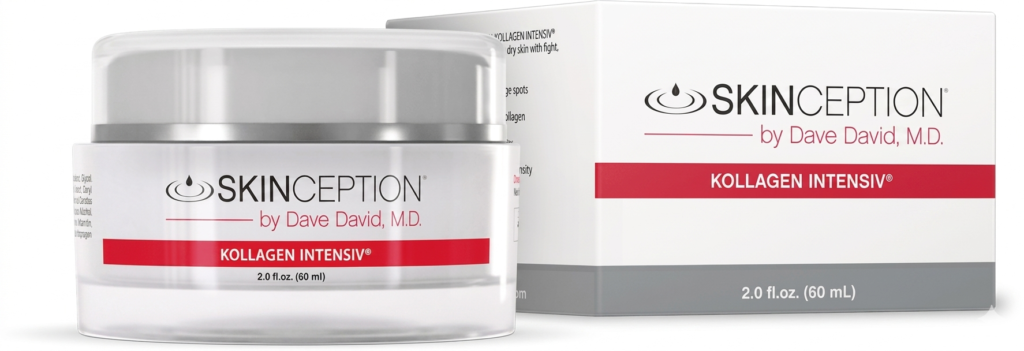
One option readers researching this category may come across is Kollagen Intensiv.
Rather than assuming it is right for you simply because you want younger-looking skin, take the time to learn what the product is designed for, review the available information about its formula and intended use, and decide whether it fits your personal skincare goals.
That kind of informed comparison is far more useful than judging any skincare product—expensive or otherwise—by its price tag alone.

Better Eye Care Starts With Smarter Expectations
Expensive eye care can certainly feel luxurious, and some premium products may fit beautifully into a skincare routine. But a higher price does not guarantee that a product will deliver a better experience for every person or address every reason the eye area looks older or more tired.
What matters more is understanding your specific concern, keeping expectations realistic, and choosing a routine you can maintain consistently.
If visible signs of skin ageing are what led you to reconsider your current routine, it may be worth exploring different skincare approaches before spending more simply because a product carries a luxury price.
For those curious about Kollagen Intensiv, learning more about how it is positioned, what it is designed to do, and whether it aligns with your skincare priorities can be a sensible next step before deciding if it belongs in your routine.
⭐⭐⭐⭐⭐Kollagen Intensiv™ 74 reviews