

Have you ever looked in the mirror and noticed that the skin beneath your eyes looks dry, crinkled, or more lined than usual, even when the rest of your face seems fine? Perhaps your eyes look tired despite getting enough sleep, or your concealer settles into tiny creases that were barely noticeable before.
You’re not alone. The delicate skin around the eyes is often one of the first areas to show visible signs of dehydration and ageing. Dark circles, puffiness, fine lines, and uneven texture can all contribute to a tired appearance.
The good news is that understanding what causes dry, creased under-eye skin can help you make better choices for your skincare routine. From hydration and collagen changes to everyday habits, here are eight possible reasons your under-eye area may need extra attention.

1. Your Skin May Be Dehydrated
One of the most common reasons under-eye skin looks dry and creased is dehydration. When the skin lacks sufficient moisture, fine lines can become more noticeable, making the area appear rougher or older.
The skin beneath your eyes is naturally thin and has fewer oil glands than many other areas of your face. This means it may lose moisture more easily and feel dry sooner.
Cold weather, indoor heating, air conditioning, and harsh skincare products can all contribute to moisture loss.
What may help: Use a gentle, fragrance-free moisturiser suitable for the eye area. Ingredients such as glycerin and hyaluronic acid can help attract and retain water in the skin. Applying moisturiser to slightly damp skin may also help support hydration.
Remember that dehydrated skin and permanently deep wrinkles are not the same thing. Improving hydration may temporarily soften the appearance of fine lines without eliminating them.
Skinception kollagen Intensiv Official Website:
2. Natural Collagen Loss May Be Making Fine Lines More Visible
Collagen is a structural protein that helps give skin its firmness and support. As we age, the body gradually produces less collagen, and existing collagen fibres change.
These changes can affect the delicate under-eye area, where the skin is already relatively thin. Over time, fine lines may become more noticeable, and the skin may appear less firm or elastic.
This is a natural part of ageing, although sun exposure, smoking, and other lifestyle factors can influence how quickly visible changes develop.
What may help: Consistent sun protection, gentle skincare, and healthy daily habits can support the skin as it ages. Ingredients such as retinoids may also help improve the appearance of fine lines, although the eye area can be sensitive and requires careful use.
Hydration can make the surface look smoother, but it cannot fully replace collagen that has been lost over time.

3. Your Skincare Products May Be Too Harsh
Sometimes, the products intended to improve your appearance can actually contribute to dryness around the eyes.
Strong cleansers, exfoliating acids, fragranced products, and certain anti-ageing treatments may irritate the delicate skin surrounding the eyes. Even products that work well on your cheeks or forehead may be too strong for this sensitive area.
When the skin becomes irritated, you may notice flaking, tightness, redness, or more prominent creases.
What may help: Simplify your routine if your under-eye area feels uncomfortable. Choose mild cleansers and moisturisers, introduce new products gradually, and avoid applying irritating ingredients too close to your eyes.
If dryness persists, becomes painful, or is accompanied by significant redness or swelling, seek advice from a healthcare professional.
4. You May Not Be Getting Enough Rest
Poor sleep can influence how your eyes and surrounding skin look the following morning.
When you are tired, dark circles and puffiness may become more noticeable. The combination can make existing fine lines appear deeper and leave your face looking less refreshed.
Sleep deprivation can also affect the body’s normal repair processes, while fatigue may make it harder to maintain consistent skincare and healthy routines.
What may help: Aim for a regular sleep schedule and enough rest for your individual needs. Keeping your bedroom comfortable and reducing stimulating activities before bedtime may make it easier to establish a consistent routine.
Better sleep will not reverse natural ageing, but it may help reduce the tired appearance that makes under-eye concerns more obvious.

5. Sun Exposure May Be Contributing to Premature Ageing
Sun exposure is an important factor in visible skin ageing. Ultraviolet radiation can damage collagen and elastin, the proteins that help skin maintain its structure and flexibility.
Over time, repeated exposure may contribute to fine lines, uneven pigmentation, and a less smooth appearance. Because the skin around your eyes is delicate, it deserves particular attention.
Sun-related pigmentation can also make dark circles more noticeable in some people.
What may help: Apply broad-spectrum SPF 30 or higher sunscreen daily, following the product instructions. Wear sunglasses and a hat when outdoors, and choose eye-area products that are suitable for your skin.
Protecting your skin consistently is more useful than relying on an occasional intensive treatment to address the visible effects of sun exposure.
6. Rubbing Your Eyes May Be Irritating the Skin
Do you frequently rub your eyes when you feel tired, experience allergies, or remove makeup?
Repeated rubbing can irritate the delicate skin beneath the eyes. It may also contribute to temporary redness and puffiness, making the area look more uneven.
Allergies can create an additional problem because itching encourages rubbing, while inflammation may make dark circles more noticeable.
What may help: Avoid rubbing or pulling at the skin. Remove makeup gently with a suitable cleanser, and consider a cool compress for temporary relief from puffiness.
If itching is persistent, addressing the underlying allergy or irritation may be more effective than adding another anti-ageing product to your routine.

7. Lifestyle Habits May Be Affecting Your Skin
Your everyday habits can influence how hydrated, comfortable, and healthy-looking your skin appears.
Smoking, excessive alcohol consumption, an unbalanced diet, and inconsistent sleep may all contribute to factors associated with visible skin ageing or a tired appearance.
Dehydration may also make existing fine lines more noticeable, although drinking excessive amounts of water will not eliminate wrinkles.
What may help: Focus on sustainable habits rather than quick fixes.
- Eat a varied diet with adequate protein, fruits, vegetables, and healthy fats.
- Drink fluids regularly according to your needs.
- Avoid smoking and limit alcohol.
- Maintain a consistent sleep schedule.
- Use gentle skincare and daily sun protection.
These habits support general health and provide a sensible foundation for maintaining your skin over time.
8. Your Skin’s Natural Structure May Be Playing a Role
Not every under-eye crease is caused by dehydration or poor skincare. Genetics, facial anatomy, naturally thin skin, and changes in the distribution of fat beneath the eyes can all influence how the area looks.
Some people develop noticeable under-eye hollows or dark shadows earlier in life, while others experience more pronounced fine lines as they age.
These differences help explain why two people with similar skincare routines can have very different-looking under-eye areas.
What may help: Identify which concerns you can realistically address. Moisturisers may improve dryness, and certain skincare ingredients may soften the appearance of fine lines. However, topical products cannot completely change facial anatomy or remove every type of under-eye hollow.
Understanding your natural skin structure can help you set realistic expectations and avoid spending money on products that promise more than they can deliver.
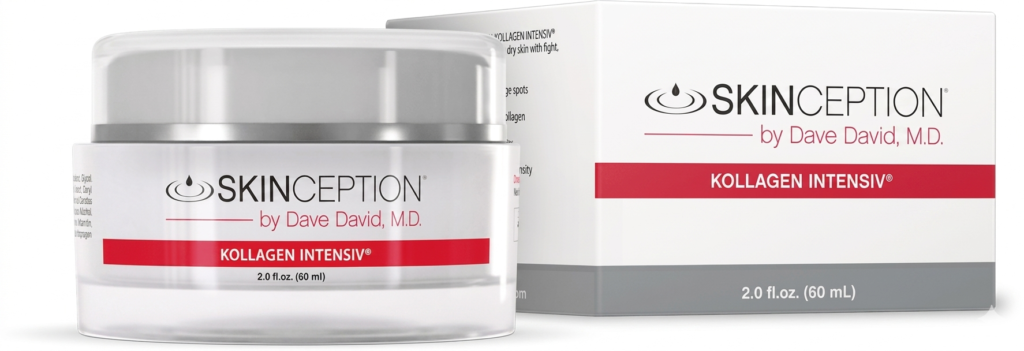
Could Kollagen Intensiv Fit Into Your Beauty Routine?
When your under-eye skin looks dry, creased, or less firm, it is understandable to look for ways to support a smoother, healthier-looking complexion.
Kollagen Intensiv is a beauty product that may be worth considering as part of a broader skincare routine focused on the appearance of ageing skin.
The important point is to keep expectations realistic. A product’s potential benefits depend on its ingredients, formulation, intended use, and the evidence supporting its claims. No skincare product can guarantee that under-eye wrinkles will disappear, restore all lost collagen, or eliminate dark circles and puffiness for everyone.
Before incorporating Kollagen Intensiv into your routine, review its ingredient list and directions to determine whether it suits your needs. If you have sensitive skin, test a new topical product on a small area first, following the product instructions.
It is also worth remembering that a beauty product works best as one part of a consistent approach. Gentle cleansing, appropriate moisturising, sun protection, sufficient sleep, and healthy lifestyle habits remain important foundations.
Rather than expecting one product to solve every concern, focus on what your skin needs and give suitable changes time to show whether they make a difference.
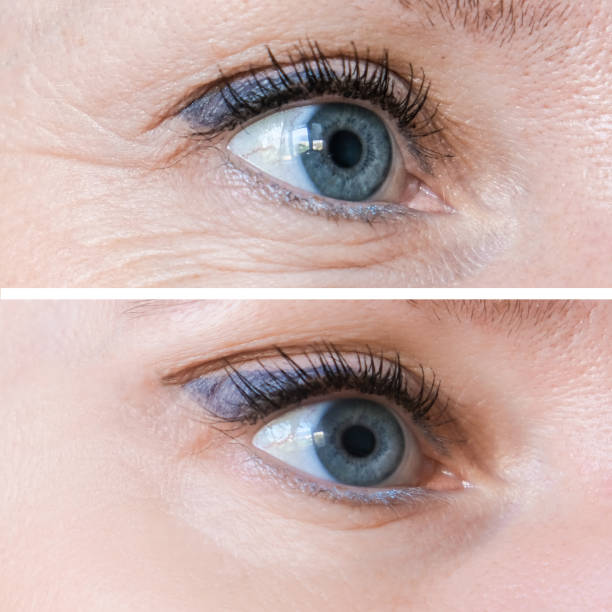
Final Thoughts: Give Your Under-Eye Skin the Attention It Deserves
Dry, creased under-eye skin can have several causes, from dehydration and harsh skincare products to natural collagen loss, sun exposure, and genetics.
The first step is understanding what may be contributing to the problem. If your skin feels tight or flaky, improving hydration and simplifying your routine may help. If fine lines are becoming more noticeable with age, consistent sun protection and realistic anti-ageing skincare choices can support your skin over time.
Pay attention to the habits that influence your overall appearance, too. Adequate rest, a balanced diet, and gentle treatment of the delicate eye area can make a meaningful difference to your daily skincare routine.
Most importantly, remember that natural skin texture and fine lines are normal. The goal is not to achieve perfectly smooth skin, but to keep your skin comfortable, cared for, and healthy-looking as it changes with time.
Don’t miss our next eye-care tip. Subscribe and have helpful advice delivered
straight to your inbox.