

Have you ever looked in the mirror after a full night’s sleep and wondered why your eyes still look exhausted? Perhaps you notice dark circles, puffy eyelids, fine lines, or a dull appearance that makes you look older than you feel. It can be frustrating when you feel refreshed, yet your reflection tells a different story.
The truth is that tired-looking eyes are not always a sign that you need more sleep. Several factors can affect the delicate skin around your eyes, from genetics and dehydration to natural collagen loss and everyday lifestyle habits.
Understanding what contributes to this appearance can help you make better choices for your skin and beauty routine. Here are 10 possible reasons your eyes may look tired even after adequate rest, along with practical ways to care for the skin around them.

1. Natural Collagen Loss and Skin Ageing
Collagen is an important structural protein that helps give your skin firmness and support. As you age, your body gradually produces less collagen, and the skin around your eyes can become thinner and less resilient.
This change may make fine lines more noticeable and allow the underlying blood vessels and natural contours around your eyes to become more visible.
Although collagen loss is a normal part of ageing, a consistent skincare routine can help support the skin’s appearance. Using a gentle moisturiser, protecting your skin from the sun, and considering suitable collagen-focused beauty products may help you maintain a more cared-for complexion.
Skinception kollagen Intensiv Official Website:
2. Dark Circles That Make You Look Exhausted
Dark circles are among the most common reasons people feel their eyes look tired. However, they are not always caused by a lack of sleep.
Genetics, pigmentation, thinner skin, and the natural structure of your face can all contribute to darkness beneath the eyes. In some people, shadows become more noticeable as the skin loses volume with age.
To help minimise their appearance, consider daily sun protection, gentle skincare, and avoiding unnecessary rubbing around the eyes. A concealer can also provide an immediate cosmetic improvement when you want a brighter look.

3. Puffiness Around the Eyes
Puffy eyes can make even a well-rested face appear tired. Fluid may collect around the eyes overnight, particularly after a salty meal or when you sleep in a position that encourages fluid retention.
Allergies, irritation, and age-related changes can also contribute to under-eye bags.
A cool compress applied gently for several minutes may temporarily reduce puffiness. Getting consistent sleep, moderating salt intake, and avoiding products that irritate your skin can also help.
If swelling is persistent, painful, sudden, or affects your vision, seek medical advice rather than treating it as a cosmetic concern.
4. Dehydrated Skin and Fine Lines
Sometimes, the problem is not a lack of sleep but a lack of moisture in the skin.
Dehydrated skin can appear dull, feel tight, and make fine lines more noticeable. The delicate under-eye area is particularly susceptible because its skin is naturally thinner than much of the skin on your face.
Drinking enough water throughout the day supports normal bodily functions, while a suitable moisturiser helps reduce moisture loss from the skin’s surface.
Ingredients such as hyaluronic acid and glycerin can help attract and retain water in the skin, temporarily giving it a smoother, more hydrated appearance.

5. Too Much Screen Time
Hours spent looking at computers, phones, and tablets can leave your eyes feeling strained and uncomfortable. You may blink less frequently when concentrating on a screen, which can contribute to dry eyes.
Although screen time does not automatically cause dark circles or wrinkles, eye discomfort, squinting, and rubbing can make you feel and look more fatigued.
Try the 20-20-20 approach: every 20 minutes, look at something about 20 feet away for approximately 20 seconds. Adjust screen brightness, take regular breaks, and avoid rubbing your eyes.
6. Allergies and Eye Irritation
Seasonal allergies and reactions to dust, cosmetics, or skincare ingredients can cause watery, itchy, or swollen eyes.
Repeated rubbing may worsen irritation and contribute to darker-looking skin around the eyes, particularly in people prone to pigmentation.
If you suspect allergies, identify possible triggers and consider speaking with a pharmacist or healthcare professional about appropriate treatment.
Choose fragrance-free products formulated for sensitive skin when irritation is a concern. Introduce new products gradually rather than applying several unfamiliar ingredients around your eyes at once.

7. Poor Sleep Quality, Not Just Sleep Duration
You might spend eight hours in bed without getting the restorative sleep your body needs. Interrupted sleep, irregular bedtimes, and inconsistent sleep schedules can all leave you feeling less refreshed.
Sleep deprivation may contribute to a pale or dull complexion, more noticeable under-eye shadows, and puffiness.
Aim for a consistent sleep schedule and create a relaxing bedtime routine. Limiting caffeine late in the day and reducing bright light before bed may also help.
If you regularly wake feeling exhausted despite sufficient sleep, consider discussing your symptoms with a healthcare professional.
8. Sun Exposure and Uneven Skin Tone
Sun exposure can contribute to pigmentation, collagen breakdown, and premature skin ageing. Over time, these changes may make the eye area look darker, less even, or more lined.
Because the skin around your eyes is delicate, protecting it is particularly important.
Use broad-spectrum sunscreen with SPF 30 or higher, following the product’s instructions for application and reapplication. Wear sunglasses that provide UV protection, and consider a hat when spending time outdoors.
Consistent protection helps reduce further sun-related skin damage and supports healthier-looking skin as you age.

9. Stress and Everyday Lifestyle Habits
Long working hours, ongoing stress, irregular meals, and inconsistent self-care can affect how refreshed you look and feel.
Stress may interfere with sleep, while certain lifestyle habits can make puffiness or skin dullness more noticeable. Smoking can also accelerate skin ageing by damaging the structures that help maintain firmness.
Small, sustainable changes often make more sense than trying to overhaul everything at once.
Prioritise balanced meals, regular physical activity, sufficient sleep, and time to unwind. These habits support general wellbeing and provide a foundation for a consistent beauty routine.
10. Changes in Facial Volume and Skin Elasticity
As the face ages, the distribution of fat and other supporting tissues can change. Combined with reduced collagen and thinner skin, these changes may create hollows beneath the eyes or deeper shadows.
The result can be a tired appearance even when your energy levels are perfectly normal.
Skincare can improve hydration and the appearance of surface texture, but it cannot fully reverse structural changes in facial anatomy. Understanding this distinction helps set realistic expectations and prevents you from spending money on products promising more than they can deliver.
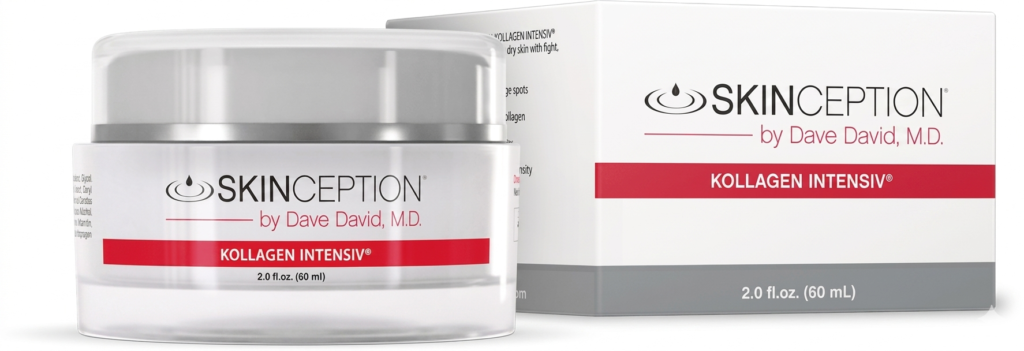
Can Kollagen Intensiv Help Support Your Beauty Routine?
When tired-looking eyes are a concern, it is tempting to search for one product that will solve everything. In reality, the most useful approach is to address the factors you can influence while choosing skincare and beauty products with realistic expectations.
Kollagen Intensiv may be worth considering as part of a broader beauty routine for people interested in collagen-focused skincare and maintaining a more youthful-looking complexion.
Its suitability and potential benefits depend on the product’s formulation, ingredients, and how it is used. Before incorporating it into your routine, review its ingredient list, directions, and any relevant safety information.
It is also important to understand that no beauty product can guarantee the removal of dark circles, the elimination of under-eye bags, or the restoration of lost collagen completely. Results vary, and concerns caused by genetics, allergies, or facial structure may require a different approach.
For a more comprehensive routine, combine suitable skincare with daily sun protection, adequate hydration, balanced nutrition, and consistent sleep. These everyday habits can help support your skin while allowing you to make informed decisions about additional beauty products.
The Bottom Line: Why Your Eyes May Still Look Tired
If your eyes look tired even after rest, the explanation may involve much more than sleep. Collagen loss, dehydration, genetics, pigmentation, puffiness, screen habits, and sun exposure can all influence the appearance of the delicate skin around your eyes.
Start by identifying the changes you notice most. Are dark circles your main concern? Is puffiness more noticeable in the morning? Or have fine lines become more visible over time?
Once you understand the possible causes, you can build a routine around practical solutions instead of chasing quick fixes.
Healthy-looking skin is rarely the result of one product or one overnight change. Consistent care, realistic expectations, and attention to your overall wellbeing can help you look after the skin around your eyes and feel more confident about your appearance.
Want to learn more about caring for ageing eyes? Subscribe for our latest tips
and advice.