

Have you ever looked in the mirror and felt that your eyes make you look older, even when the rest of your face still looks relatively youthful? Perhaps you notice dark circles that never seem to disappear, puffiness that makes you look tired, or fine lines that appear more noticeable every year.
You’re not alone. The delicate skin around your eyes can show visible signs of ageing earlier than other areas of your face. Even after a good night’s sleep, your eyes may still look tired, leaving you wondering what has changed and whether there’s anything you can do about it.
The good news is that several factors can contribute to an older-looking eye area, and understanding them is the first step towards a more refreshed appearance.

1. Natural Collagen Loss
One of the most important reasons your eyes may look older is the gradual loss of collagen.
Collagen is a structural protein that helps give your skin firmness and support. As you age, your body naturally produces less collagen, and the skin gradually loses some of its strength and elasticity.
The skin around your eyes is particularly thin, so these changes can become noticeable relatively early. Fine lines may develop, the skin may appear less firm, and the area beneath your eyes can begin to look different.
Although collagen loss is a normal part of ageing, daily skincare, sun protection and healthy lifestyle habits can help support the overall appearance of your skin.
Kollagen Intensiv Cream Official Website:
2. Dark Circles Beneath Your Eyes
Dark circles can make your entire face appear tired, even when you feel perfectly fine.
There isn’t just one cause of under-eye darkness. It can result from several factors, including genetics, pigmentation, visible blood vessels beneath thin skin and changes in the contours of the face.
As the skin becomes thinner with age, underlying blood vessels may become more visible. Shadows can also develop as the area beneath your eyes loses volume, making dark circles appear more pronounced.
What helps depends on the underlying cause. Gentle skincare, daily sunscreen and adequate sleep may improve the appearance of some types of dark circles, although genetic or structural causes can be more difficult to change.

3. Persistent Puffiness
Do your eyes sometimes look swollen when you wake up, making you appear older or more exhausted than you feel?
Under-eye puffiness can develop when fluid temporarily accumulates in the surrounding tissues. It may be influenced by salty meals, allergies, poor sleep or sleeping position.
Age-related changes can also affect the tissues that support the area around your eyes. Over time, fat beneath the eyes may shift forward, creating bags that remain visible throughout the day.
A cool compress, sufficient sleep and managing allergies when appropriate may help reduce temporary puffiness. Persistent under-eye bags, however, may have structural causes that ordinary creams cannot fully address.
4. Fine Lines and Wrinkles
The eye area moves constantly throughout the day. Every smile, squint and facial expression involves the muscles surrounding your eyes.
Repeated movements contribute to expression lines, particularly around the outer corners, commonly known as crow’s feet.
As collagen and elastin gradually decline, the skin may become less resilient, allowing these lines to become more noticeable. Sun exposure can accelerate this process by contributing to the breakdown of the skin’s supporting structures.
To help protect the area, use a gentle moisturiser and broad-spectrum sunscreen suitable for the eye area. Avoid rubbing your eyes, and remember that moisturisers can soften the appearance of fine lines without necessarily removing established wrinkles.

5. Dehydrated Skin
Sometimes, the problem isn’t simply ageing. Your skin may also be dehydrated.
When the skin lacks sufficient water, fine lines can appear more prominent, and the surface may look less smooth. The delicate area beneath your eyes can be particularly affected because it has fewer oil glands than many other parts of the face.
Dehydration can make your eyes look tired even when deeper wrinkles have not significantly changed.
A moisturiser containing ingredients such as glycerin or hyaluronic acid can help attract and retain moisture in the skin. Drinking enough fluids and avoiding overly harsh skincare products can also support a comfortable, hydrated appearance.
Keep in mind that dehydration and collagen loss are different issues. Improving skin hydration may temporarily soften the appearance of fine lines, but it does not replace lost collagen.
6. Too Much Sun Exposure
If your eyes seem to be ageing faster than expected, consider how much sun exposure the area receives.
Ultraviolet (UV) radiation contributes to premature skin ageing by damageing collagen and elastin. It can also contribute to uneven pigmentation, making the skin around your eyes appear darker or less uniform.
The eye area is easy to overlook when applying sunscreen, particularly if you’re concerned about irritation.
Make sun protection a daily habit. Use broad-spectrum sunscreen as directed, wear sunglasses that provide UV protection, and consider a wide-brimmed hat when spending time outdoors.
Protecting your skin consistently is one of the most useful steps you can take to help slow the visible effects of premature ageing.

7. Poor Sleep and Everyday Stress
A few nights of poor sleep can make a surprising difference to your appearance.
When you’re tired, puffiness and dark circles may become more noticeable. Stress can also affect your routines, including sleep quality, food choices and how consistently you care for your skin.
Although one bad night won’t suddenly age your face, ongoing sleep difficulties and unhealthy habits can contribute to a tired-looking appearance.
Try to maintain a regular sleep schedule, create a relaxing bedtime routine and make time for activities that help you manage stress.
These changes won’t eliminate natural ageing, but they may help your eyes look more refreshed and support your overall wellbeing.
8. Changes in Facial Volume and Skin Elasticity
Another reason your eyes may look older than the rest of your face is the gradual change in the structure beneath the skin.
As you age, the distribution of facial fat and the support provided by underlying tissues can change. The area beneath your eyes may develop a hollow appearance, while the skin itself becomes less elastic.
This combination can create shadows that resemble dark circles, deepen the appearance of under-eye lines and make the transition between your lower eyelids and cheeks more noticeable.
These changes are not always caused by a lack of sleep or inadequate skincare. Genetics and natural facial structure also play important roles.
Understanding this distinction can help you choose realistic skincare goals rather than expecting a cream or supplement to correct every age-related change.
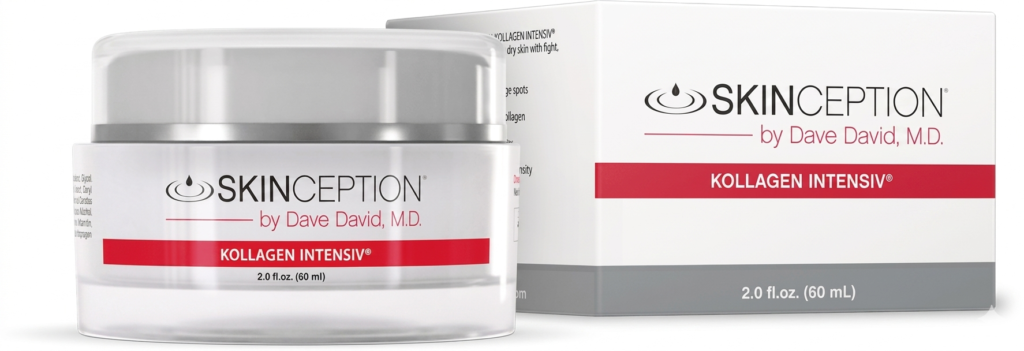
Where Does Kollagen Intensiv Fit Into Your Beauty Routine?
If you’re concerned about fine lines, skin firmness and the visible effects of ageing, you may be exploring ways to support your skin from within as well as from the outside.
Kollagen Intensiv is a collagen-focused beauty product that may be worth considering as part of a broader skincare and wellness routine.
Collagen-related products are often used by people who want to support their skin’s appearance as they get older. However, results depend on the product’s ingredients, formulation, dosage and the individual using it. Evidence for oral collagen supplements is still developing, and findings from studies of one formulation cannot automatically be applied to another.
It’s also important to understand that a collagen product is not a guaranteed solution for dark circles, puffiness, under-eye bags or established wrinkles. These concerns can have several different causes, and a collagen supplement cannot be assumed to address all of them.
If you decide to consider Kollagen Intensiv, review its ingredient list, follow the product directions and consider whether it suits your individual needs. If you have allergies, take medication or have an existing medical condition, seek appropriate professional advice before starting a supplement.
For the best overall approach, combine any product you choose with daily sun protection, gentle skincare, adequate sleep and a balanced diet.

Final Thoughts: Your Eyes Don’t Have to Define Your Age
When your eyes look older than the rest of your face, it’s easy to focus on every fine line, shadow or patch of puffiness. But these changes don’t necessarily mean you’re doing something wrong.
Collagen loss, dehydration, sun exposure, genetics, sleep quality and changes in facial structure can all influence the appearance of the eye area. More than one factor may be responsible at the same time.
Start by identifying the changes that concern you most. Support your skin with consistent, gentle care, protect it from the sun and give healthy habits time to become part of your routine.
You may not be able to stop every sign of ageing, but understanding what’s happening beneath the surface can help you make informed choices and feel more confident about caring for your skin.
Don’t stop here. Subscribe for more practical tips on caring for your eyes as
they age.