Why your eyes can appear more tired, older, or less refreshed in pictures—even when you feel perfectly fine in real life.

Have you ever looked in the mirror and thought your skin looked fairly good, only to see a photograph that made your eyes appear much older than you expected? You’re not alone. Many people notice that the eye area often seems to age faster in photos than it does in everyday life.
The reason isn’t always ageing itself. Photography captures tiny details that our eyes naturally overlook in person. Lighting, facial expressions, hydration, and subtle changes in skin texture can all become much more noticeable once the camera freezes a single moment in time.
Understanding what influences the appearance of your eye area in photographs can help you make smarter skincare choices and develop habits that support healthier-looking skin over time. Let’s explore some of the biggest reasons your eyes may look older in pictures—and what you can do about it.
Why Cameras Reveal What Mirrors Often Don’t
Unlike our eyes, cameras don’t constantly adjust for lighting, movement, and facial expression. A photo captures one split second, often under lighting conditions that exaggerate shadows and fine details.
This is especially noticeable around the eyes, where the skin is naturally thinner and more delicate than on the rest of the face. Small imperfections that go unnoticed during everyday conversations can become surprisingly visible in a still image.

1. Shadows Can Create the Appearance of Dark Circles
Lighting plays a major role in how youthful your eyes appear.
Overhead lighting, bright sunlight, or harsh indoor lights can cast shadows beneath the eyes, making them appear darker and deeper than they really are.
Even someone with healthy skin may appear more tired simply because of where the light falls across the face.
2. Dry Skin Reflects Less Light
Well-hydrated skin naturally reflects light more evenly, creating a smoother appearance.
When the skin around the eyes becomes dry, tiny lines and uneven texture may catch the light differently. Cameras often emphasise these small differences, making the eye area appear older than it looks in everyday life.
Maintaining good hydration—both internally and through an appropriate skincare routine—can help support a fresher appearance.
3. Facial Expressions Become Frozen
We rarely hold perfectly relaxed facial expressions.
Squinting in bright light, smiling, concentrating, or raising the eyebrows all create temporary folds around the eyes. While these expressions look completely natural in motion, a camera captures only one instant.
That single frame may highlight expression lines that disappear moments later.

4. Lack of Sleep Can Show More Clearly
Poor sleep doesn’t just leave you feeling tired—it may also influence how refreshed your eye area appears.
After insufficient rest, some people notice puffiness, dull-looking skin, or more visible shadows beneath the eyes. These changes are often subtle in person but can become much more noticeable in photographs.
Consistent sleep habits remain one of the simplest ways to support a healthier-looking appearance.

5. Skin Naturally Changes With Age
As we get older, our skin gradually changes.
It may become less firm, slightly thinner, and lose some of its natural elasticity. Around the eyes, these gradual changes are often among the first visible signs of ageing because the skin is already delicate.
Photography simply tends to highlight these normal age-related changes more clearly than everyday interactions.
6. Makeup Can Sometimes Emphasise Fine Lines
Many people assume adding more concealer automatically creates a younger appearance.
In reality, heavier products can occasionally settle into fine lines or create a drier appearance under certain lighting conditions.
Choosing lightweight products and preparing the skin well beforehand often creates a softer, more natural finish in photographs.

Looking Beyond Makeup Alone
While lighting tricks and makeup techniques can improve photographs, many people also choose to support their skincare routine with products designed to care for the appearance of ageing skin over time.
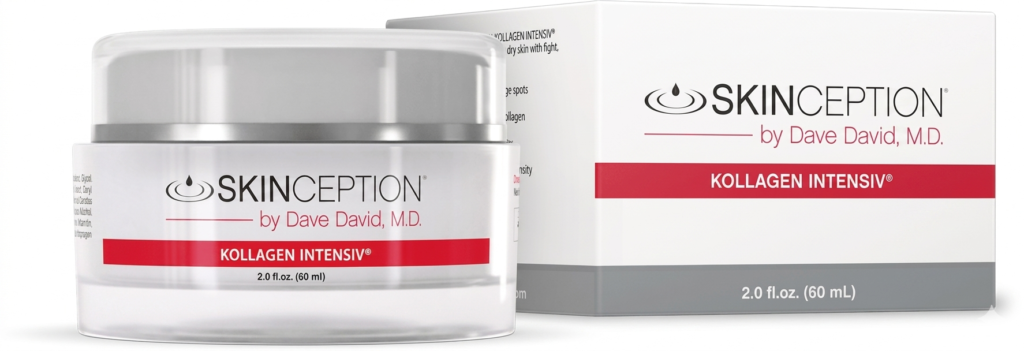
One product that has attracted interest is Kollagen Intensiv, particularly among individuals looking for additional support for the visible appearance of mature or tired-looking skin around the eyes and face.
Rather than expecting a single product to completely transform the skin overnight, it’s often more realistic to think of skincare as a long-term routine. Daily habits like gentle cleansing, sun protection, hydration, quality sleep, and consistent skincare all work together.
If you’re interested in learning more about how Kollagen Intensiv fits into a broader skincare routine, it’s worth exploring the product information to understand its intended use and decide whether it aligns with your personal skincare goals.
Final Thoughts
Photographs often magnify details that we rarely notice in everyday life. Shadows, dry skin, facial expressions, sleep habits, and natural ageing can all influence how youthful—or tired—the eye area appears in a single image.
The good news is that many of these factors can be improved through consistent skincare habits and healthy daily routines rather than relying solely on makeup or photo editing.
If you’re looking for additional ways to support the appearance of smoother, healthier-looking skin around your eyes, learning more about Kollagen Intensiv may be a worthwhile next step. Understanding your options allows you to build a skincare routine that supports your long-term goals and helps you feel more confident both in photographs and in everyday life.
⭐⭐⭐⭐⭐ Kollagen Intensiv™ 74 reviews