Why your eyes can look less refreshed than you feel—and the subtle skin, lifestyle, and beauty factors that may be responsible.

You may feel perfectly awake, yet the mirror seems to tell a different story. Shadows appear more noticeable. Fine lines seem sharper. The under-eye area looks less smooth, and the skin around your eyes somehow seems to have lost that bright, refreshed appearance you remember.
The surprising part?
Looking tired is not always about being tired.
The eye area is influenced by a combination of skin structure, hydration, facial anatomy, environmental exposure, everyday habits, and natural age-related changes. Even small changes can affect how light falls around the eyes—and that can dramatically change how rested your entire face appears.
So, what makes the eye area look tired?
Understanding the answer can help you stop focusing only on quick cosmetic fixes and start giving this delicate area the kind of support it actually needs.
Part 1: Why the Eye Area Can Look Tired

Why the Skin Around Your Eyes Shows Changes So Easily
The skin surrounding your eyes is naturally delicate.
Compared with many other areas of the face, it can be more vulnerable to visible dryness, fine lines, changes in texture, and environmental stress. Because the eye area is also constantly moving when you blink, smile, squint, and make facial expressions, subtle changes can become noticeable relatively quickly.
This is one reason your eyes can influence how your entire face looks.
When the surrounding skin appears smooth, hydrated, and bright, your face may look more refreshed.
When it appears dry, shadowed, puffy, or textured, you may look tired—even when you are not.
And that brings us to something many people overlook:
Several different factors can create the same “tired eyes” appearance.
What Makes the Eye Area Look Tired?
The most common contributors include:
- Dehydrated or dry-looking skin
- Under-eye shadows or dark circles
- Puffiness
- Fine lines and changes in texture
- Natural collagen changes with age
- Lack of quality sleep
- Sun exposure
- Frequent squinting
- Genetics and facial structure
- Certain everyday skincare habits
Often, it is not just one factor.
For example, slightly dehydrated skin combined with natural under-eye shadows and fine lines may create a much more noticeable tired appearance than any of those factors would individually.
That is why simply buying something labelled “for tired eyes” does not always address what you are actually seeing.
Hydration Can Change How Refreshed the Eye Area Looks
One of the simplest factors is also one of the easiest to underestimate: hydration.
When the skin around the eyes lacks moisture, fine lines and uneven texture can become more noticeable.
Dry-looking skin may also reflect light differently, making the eye area appear less smooth and luminous.
This does not necessarily mean drinking one extra glass of water will instantly transform your appearance. Skin hydration is influenced by multiple factors, including your skincare routine, environment, cleansing habits, and the products you apply.
A simple approach can help:
- Use a gentle cleanser rather than aggressively stripping the skin.
- Apply moisturiser consistently.
- Avoid rubbing or pulling at the eye area.
- Consider formulas designed to support moisture and smoother-looking skin.
- Use sunscreen to help protect exposed skin from UV damage.
Consistency usually matters more than constantly changing products.

Dark circles are not always what they seem.
Dark circles are commonly blamed on poor sleep.
Sometimes sleep does play a role—but under-eye darkness can have several possible causes.
Natural pigmentation, facial anatomy, visible blood vessels, genetics, skin thickness, and shadows created by under-eye hollows can all influence how dark the area appears.
This explains why someone can sleep well and still have noticeable under-eye circles.
It also explains why one solution rarely works equally well for everyone.
If darkness is partly caused by shadowing, for instance, a brightening product alone may not completely change its appearance.
Understanding what you are seeing is the first step toward choosing a more realistic beauty routine.
Puffiness Can Create Instant “Tired Eyes”
Even mild puffiness can change the contours around your eyes.
As those contours change, they can create additional shadows. The combination of swelling and shadow may make your eyes appear heavier or less refreshed.
Temporary puffiness can be influenced by factors such as:
- Sleep patterns
- Fluid retention
- High-sodium meals
- Allergies
- Crying
- Alcohol consumption
- Individual genetics
A cool compress may temporarily help the area feel refreshed, while gentle skincare and consistent sleep habits can support your overall routine.
However, persistent or sudden swelling—particularly if it is severe, painful, or affects only one side—should be discussed with a qualified healthcare professional.

Collagen Changes Can Affect the Appearance of the Eye Area
Here is where the story becomes especially interesting.
Collagen is an important structural protein found naturally in the skin. It contributes to the skin’s firmness and overall structure.
As we age, natural changes in collagen and other components of the skin can contribute to visible changes in firmness, texture, and fine lines.
Sun exposure can also accelerate visible signs of skin ageing.
Because the eye area is so delicate, these changes may become especially noticeable there.
This is one reason a good eye-area routine should not focus exclusively on hiding dark circles.
Supporting hydration, smoothness, and healthier-looking skin can be just as important.

The Common Mistake of Treating Every Tired Eye the Same Way
One of the biggest beauty mistakes is assuming every tired-looking eye area has the same cause.
Someone notices dark circles and immediately buys a brightening product.
Someone sees fine lines and starts aggressively exfoliating.
Someone notices puffiness and applies several new products at once.
But if you do not understand the underlying cosmetic concern, you can easily end up with a complicated routine that does very little.
A better question is the following:
What specifically is making my eye area look tired?
Look closely at your skin in natural light.
Do you mainly notice dryness?
Fine lines?
Puffiness?
Shadowing?
Uneven texture?
Or a combination?
Once you identify the dominant concern, building a targeted routine becomes much easier.
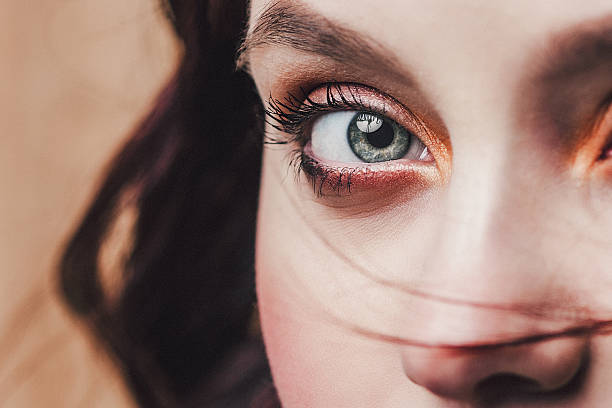
Where Kollagen Intensiv May Fit Into an Eye-Area Skincare Routine
For people concerned about visible signs of ageing, dryness, or less-smooth-looking skin, a targeted skincare formula may be worth considering as part of a consistent routine.
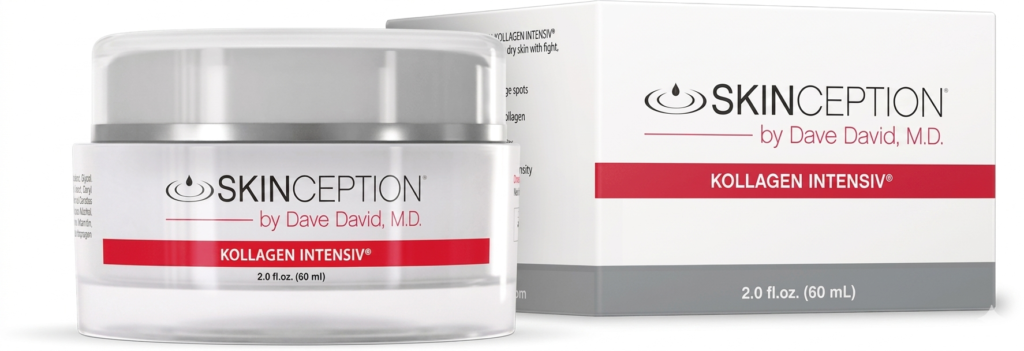
Kollagen Intensiv is a topical skincare cream designed to support smoother, firmer, healthier-looking skin and reduce the appearance of visible signs of ageing.
Rather than treating it as an instant fix for every possible cause of tired-looking eyes, it makes more sense to think of it as part of a broader skincare approach.
That approach might include:
- Daily sun protection
- Gentle cleansing
- Consistent moisturisation
- Adequate sleep
- Avoiding unnecessary rubbing around the eyes
- Using targeted skincare for visible texture and aging concerns
If your tired-looking eye area seems connected to dryness, fine lines, or changes in skin texture, learning more about how a collagen-focused topical formula fits into a skincare routine may be useful.
Curious whether Kollagen Intensiv could complement your current routine? You can explore the formula, ingredients, directions, and guarantee before deciding whether it is right for you.
The Overlooked Habits That Can Make Eyes Look More Tired

Everyday Mistakes That May Be Working Against Your Eye Area
Sometimes the biggest improvements come from noticing small habits.
Rubbing Your Eyes
The eye area is delicate, yet many people rub it without thinking.
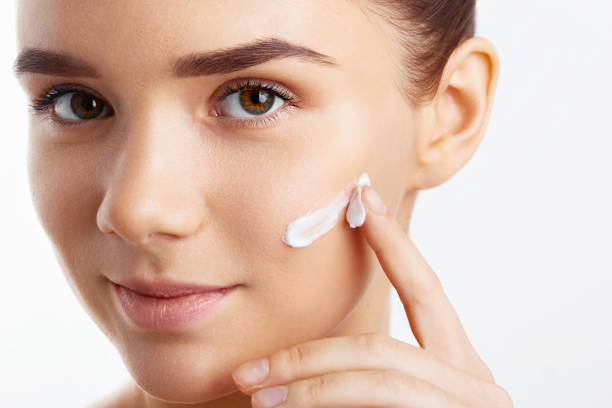
Removing makeup aggressively, rubbing tired eyes, or repeatedly pulling at the skin can create unnecessary friction.
Instead, use gentle movements and allow cleansers or makeup removers time to work.
Skipping Sunscreen Around the Eye Area
UV exposure is one of the major environmental contributors to visible skin ageing.
People often apply sunscreen to their cheeks, forehead, and nose but become less consistent around the eye area.
Use a sunscreen suitable for your skin and follow the product directions carefully, avoiding direct contact with the eyes.
Sunglasses can provide additional protection while also reducing squinting.
Using Too Many Active Products
More skincare does not automatically mean better skincare.
Layering several strong products around delicate skin can sometimes contribute to dryness or irritation.
A simpler, consistent routine is often easier to maintain.
Why Many People Overlook the Real Issue
Tired-looking eyes are usually treated as one cosmetic problem.
In reality, what you perceive as “tired” may be a visual combination of several characteristics.
Imagine slightly dry skin with subtle fine lines.
Add natural under-eye hollows.
Then add mild morning puffiness.
Each change might be relatively minor on its own. Together, however, they can dramatically affect how refreshed your eyes appear.
This is why looking at the whole eye area rather than obsessing over one symptom can be more helpful.
Practical Ways to Help Your Eyes Look More Refreshed
You do not necessarily need a complicated routine.
Start with the basics:
- Prioritise consistent sleep. Quality sleep supports overall well-being and may help reduce some temporary signs of fatigue.
- Protect your skin from the sun. Daily broad-spectrum sunscreen and sunglasses can help protect delicate skin from UV exposure.
- Keep the area moisturised. Well-hydrated skin often appears smoother and more supple.
- Be gentle. Avoid aggressive rubbing, scrubbing, and unnecessary pulling.
- Use targeted skincare consistently. Give appropriate products enough time to fit into your routine rather than constantly switching formulas.
- Pay attention to lifestyle patterns. Notice whether certain foods, alcohol, allergies, or sleep habits seem to influence temporary puffiness.
- Evaluate your actual concern. Treating dryness, texture, puffiness, and pigmentation as identical problems can lead to disappointing results.
Save this list if you are rebuilding your eye-area routine—it is easy to forget how much the simple habits matter.
Myth vs. Fact: Tired-Looking Eyes

Myth: Dark Circles Always Mean You Need More Sleep
Fact: Sleep can influence your appearance, but genetics, pigmentation, facial anatomy, skin characteristics, and shadowing may also contribute.
Myth: Expensive Skincare Automatically Works Better
Fact: Price alone does not determine whether a product is appropriate for your skin. Formula, ingredients, consistency, tolerability, and realistic expectations matter.
Myth: Fine Lines Mean Your Skin Is Permanently Damaged
Fact: Fine lines can appear more noticeable when skin is dry or dehydrated. Moisturising can temporarily improve the appearance of some fine lines by helping skin look smoother and more supple.
Myth: One Eye Cream Can Fix Every Cause of Tired-Looking Eyes
Fact: No single cosmetic product can address every possible cause.
Skincare may support hydration, texture, firmness, and the appearance of visible ageing, while lifestyle changes may be more relevant for temporary puffiness or fatigue-related concerns.
That distinction can save you a lot of frustration—and unnecessary purchases.
Frequently Asked Questions

Why do my eyes look tired even when I get enough sleep?
Your appearance is influenced by more than sleep.
Genetics, under-eye hollows, pigmentation, dryness, puffiness, skin texture, and natural age-related changes can all contribute to a tired appearance.
If you consistently sleep well but still look tired, consider which visible characteristic is creating that impression.
Can dehydration make the eye area look older?
Dry or dehydrated-looking skin can make fine lines and texture appear more noticeable.
Using a suitable moisturiser and maintaining a gentle skincare routine can help the skin look smoother and more refreshed.
Does collagen affect how the skin around the eyes looks?
Collagen contributes to the skin’s structure and firmness.
Natural age-related changes in collagen can contribute to visible changes in skin texture, firmness, and fine lines over time.
Supporting healthy-looking skin with sun protection, moisturisation, and appropriate skincare can therefore be an important part of an anti-ageing routine.
Can skincare completely remove dark circles?
Not necessarily.
Dark circles can have multiple causes, including pigmentation, genetics, visible blood vessels, skin characteristics, and shadows caused by facial anatomy.
Skincare may improve certain cosmetic aspects of the eye area, but results depend heavily on what is causing the darkness.
How long should I try an eye-area skincare routine before judging it?
It depends on the product and your concern.
Moisturising effects may be noticeable relatively quickly, while visible changes associated with a consistent skincare routine can take longer.
Follow product directions and evaluate progress over time rather than changing your entire routine every few days.
Is Kollagen Intensiv only for the eye area?
Kollagen Intensiv is marketed as an anti-ageing skincare cream rather than simply a traditional under-eye concealer or temporary cosmetic fix.
If you are considering using any skincare product near the eye area, always follow the manufacturer’s directions and avoid direct contact with the eyes.

Key Takeaways
If you have ever wondered what makes the eye area look tired, remember that the answer is rarely just “not enough sleep”.
The appearance of your eyes may be influenced by:
- Dryness and dehydration
- Fine lines and changes in texture
- Puffiness
- Dark circles and pigmentation
- Facial anatomy and natural shadowing
- Genetics
- Sun exposure
- Lifestyle habits
- Natural age-related changes in the skin
The most useful strategy is to identify what is actually creating the tired appearance before choosing how to address it.
Sometimes that means improving sleep habits.
Sometimes it means becoming more consistent with sun protection.
Sometimes it means simplifying an overly aggressive skincare routine.
And if visible dryness, fine lines, firmness, or texture are part of the concern, targeted skincare may deserve a place in your routine.
A More Informed Approach to Brighter-Looking Eyes
The eye area can reveal subtle changes before you notice them elsewhere on your face.
But looking tired does not automatically mean you need more sleep—and it certainly does not mean you need to buy every eye product promising an overnight transformation.
Start by understanding what you see.
Protect the skin.
Keep it hydrated.
Treat it gently.
Build consistent habits.
Then choose skincare based on the concerns you actually want to address.
If smoother, firmer, healthier-looking skin is one of your goals, Kollagen Intensiv may be worth learning more about as part of a broader anti-ageing skincare routine.
Click the affiliate link to explore Kollagen Intensiv, review the formula and product details, and decide for yourself whether it fits your skincare goals.
The most important takeaway to remember—and share with someone who always says, “Why do I look so tired?”—is simple:
Your eyes can look tired for reasons that have nothing to do with how tired you actually are. Once you understand the cause, you can make smarter choices about what your skin truly needs.
⭐⭐⭐⭐⭐ Trusted by Thousands of Happy Customers • 67-Day Money-Back Guarantee