The hidden reason your eyes may be making you look older, more tired, and less refreshed—even when you’re getting enough sleep.
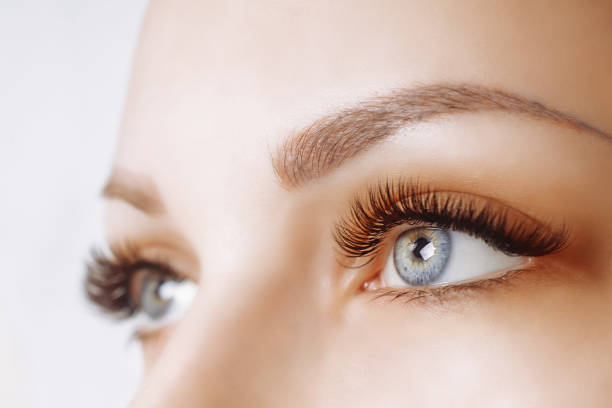
The first signs of aging rarely show up where most people expect.
It isn’t usually your forehead.
It isn’t your smile lines.
And it often isn’t your neck.
For many people, the very first place age begins to reveal itself is around the eyes.
The problem?
Most people don’t notice it happening.
Until one day they look in the mirror, see a photo of themselves, or catch their reflection in bright lighting and wonder:
“Why do I suddenly look so tired?”
Here’s the surprising truth:
Under-eye aging often develops gradually enough that you don’t notice the small changes happening every day.
But over time, those tiny changes can create a dramatic impact on how youthful, healthy, energetic, and attractive you appear.
And once those signs become deeply established, they’re often much harder to reverse.
Let’s explore what really happens when under-eye aging is ignored—and what you can do before those changes become more noticeable.
👀 The Eye Area Ages Faster Than Most People Realize
The skin beneath your eyes is among the thinnest on your entire body.
Because it’s so delicate, it often becomes one of the first places to show visible signs of aging.
As collagen production naturally declines with age, the under-eye area begins to lose:
- Firmness
- Elasticity
- Smoothness
- Hydration
- Structural support
This creates the perfect environment for visible aging concerns to develop.
Many people focus heavily on facial skincare while unintentionally neglecting the area that often reveals age first.

😴 The “Tired Face” Effect Starts To Appear
One of the earliest consequences of under-eye aging is what many experts call the tired appearance.
Even if you’re sleeping well.
Even if you’re healthy.
Even if you feel energetic.
Your eyes can start communicating a completely different story.
You may begin noticing:
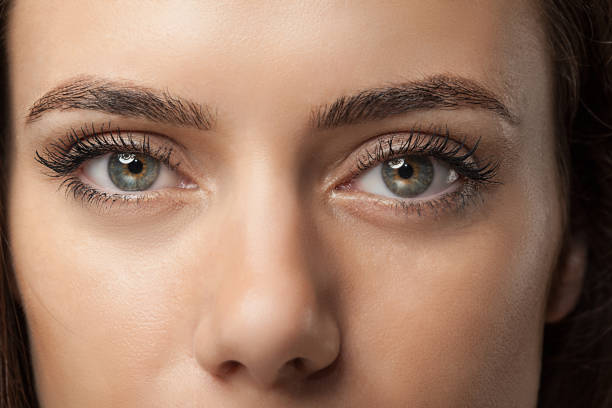
- Persistent dark circles
- Puffiness that lingers longer
- Shadows beneath the eyes
- A dull or hollow appearance
- Reduced brightness around the eye area
Friends may start asking if you’re tired.
Coworkers may ask if you’re feeling okay.
The frustrating part?
Nothing may actually be wrong.
The changes are simply becoming visible.
🌙 Dark Circles Can Become More Noticeable Over Time
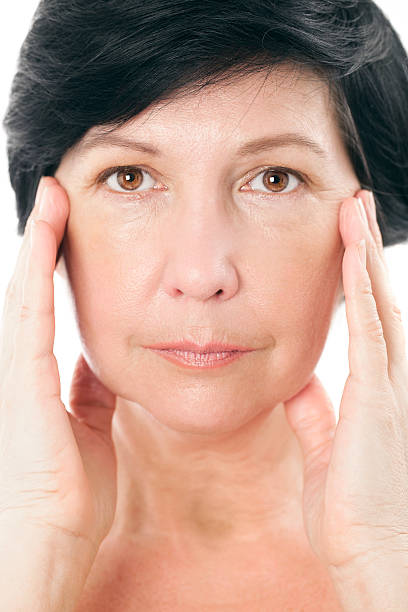
Dark circles aren’t always caused by lack of sleep.
As the skin under the eyes becomes thinner, underlying blood vessels may become more visible.
Loss of firmness can also create deeper shadows beneath the eyes.
This combination often makes dark circles appear darker and more persistent.
Many people assume they simply need more sleep.
But the real issue may be age-related changes occurring beneath the skin’s surface.

💨 Puffiness Can Turn Into Under-Eye Bags
Occasional puffiness happens to everyone.
However, chronic under-eye aging can gradually contribute to the appearance of more permanent eye bags.
As tissues weaken and skin loses elasticity, the area beneath the eyes can begin looking:
- Fuller
- Heavier
- Swollen
- Less defined
This can create a more aged appearance even when the rest of the face remains relatively youthful.
The eyes often become the feature people notice first.

✨ Fine Lines Slowly Become Deeper Wrinkles
Most people don’t wake up one morning with prominent under-eye wrinkles.
Instead, the process is gradual.
Tiny expression lines appear.
Then they remain visible a little longer.
Over time they stop disappearing completely.
Eventually they become etched into the skin.
This progression often affects:
- Under-eye wrinkles
- Crow’s feet
- Smile lines around the eyes
- Crepey skin texture
Because these changes happen slowly, many people underestimate how much they have progressed until they compare older photographs.
📸 Photos Often Reveal The Problem First
Here’s something many people experience.
They don’t notice under-eye aging in the mirror.
Then they see a candid photograph.
Suddenly they notice:
- Tired-looking eyes
- Dark shadows
- Puffiness
- Fine lines
- Loss of youthful brightness
Photos remove the familiarity factor.
They allow you to see your face from a new perspective.
For many people, this becomes the moment they realize under-eye aging has progressed further than expected.

⚠️ Why Waiting Can Make Improvement More Difficult
One of the biggest mistakes people make is assuming under-eye aging will simply stay the same.
Unfortunately, aging is a cumulative process.
Collagen loss continues.
Skin support gradually weakens.
Hydration levels often decrease.
Elasticity naturally declines.
The earlier you support the skin, the easier it may be to maintain a youthful appearance over time.
That’s why prevention often receives so much attention among skincare professionals.
🌿 The Role Collagen Plays Around The Eyes
Collagen is one of the most important structural proteins in the body.
Think of it as the framework that helps skin appear:
- Smooth
- Firm
- Plump
- Elastic
- Youthful
As collagen production declines with age, the eye area often reflects those changes first.
Supporting healthy collagen levels has become one of the most discussed strategies for maintaining younger-looking skin around the eyes.
This is one reason many people begin looking for collagen-focused skincare solutions when they start noticing visible signs of eye aging.
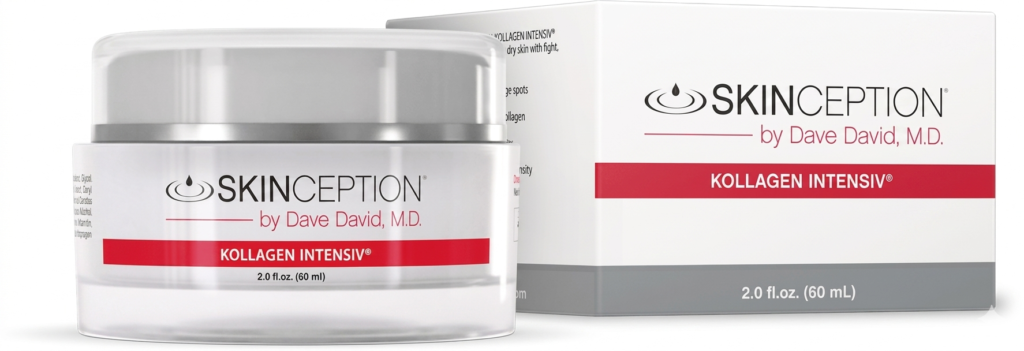
💎 Why Many People Are Turning To Kollagen Intensiv
When researching eye-focused anti-aging products, one name that frequently appears is Kollagen Intensiv.
Rather than focusing solely on temporary surface hydration, it was formulated specifically to help support the appearance of firmer, smoother, younger-looking skin.
Many users are drawn to it because they want help addressing visible concerns such as:
- Under-eye wrinkles
- Crow’s feet
- Fine lines
- Eye bags
- Dark circles
- Tired-looking eyes
What makes it appealing is that it fits naturally into an existing skincare routine while targeting one of the most age-sensitive areas of the face.
For people beginning to notice under-eye aging, it may offer an additional layer of support as part of a broader anti-aging strategy.
📌 Save This: Early Signs Your Eyes May Be Aging Faster Than You Think
If you notice several of these signs, your under-eye area may be showing early age-related changes:
✓ Dark circles that seem harder to hide
✓ Puffiness lasting throughout the day
✓ Fine lines visible even when your face is relaxed
✓ Crow’s feet becoming more noticeable
✓ Eyes appearing smaller or less vibrant
✓ Persistent tired-looking appearance
✓ Makeup settling into under-eye lines
✓ Looking older in photos than you feel in real life
Many people save this checklist because these changes often happen gradually.
Recognizing them early can help you take action sooner.

💡 Small Changes Today Can Influence How Your Eyes Look Tomorrow
The biggest lesson about under-eye aging isn’t fear.
It’s awareness.
Most people don’t notice the early signs.
By the time they do, the changes have often become much more visible.
Supporting your skin earlier may help maintain a fresher, brighter, more youthful appearance for longer.
The eye area plays an enormous role in how young, energetic, and healthy you appear.
And because it’s often the first place age becomes visible, it deserves attention before problems become difficult to ignore.
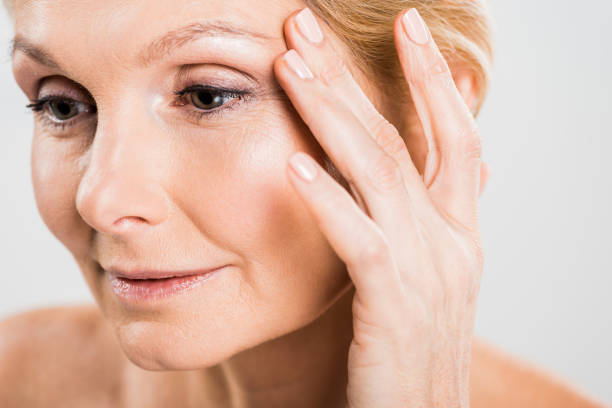
❤️ Final Thoughts
If you’ve recently started noticing dark circles, puffiness, under-eye wrinkles, eye bags, or a tired appearance that doesn’t seem to match how you actually feel, you’re not alone.
These are among the most common age-related concerns people experience.
The encouraging news is that many people are taking proactive steps before those changes become more pronounced.
That’s exactly why products like Kollagen Intensiv continue attracting attention from people searching for ways to support smoother, firmer, younger-looking skin around the eyes.
The sooner you start paying attention to under-eye aging, the more opportunities you may have to maintain the bright, refreshed appearance that helps you look as energetic as you feel.
Because sometimes the smallest area of your face makes the biggest difference in how young you look.