Why the delicate eye area can begin to look thinner, less smooth, and more tired—and what understanding collagen loss can tell you about caring for it.

You may first notice it in certain lighting.
The skin beneath your eyes seems a little less smooth. Fine lines show more clearly when you smile. Concealer settles differently than it used to, and shadows around the eyes seem harder to disguise.
These changes can appear gradually, which is why it is easy to blame them on a bad night’s sleep, dehydration, or simply looking tired.
But there is another important factor working quietly beneath the surface: collagen decline.
Collagen helps provide the skin with structure and support. As the amount and quality of collagen in the skin change with age, the delicate area around the eyes can begin to look different in several noticeable ways.
Understanding what is happening can make it easier to choose a more thoughtful skincare approach rather than simply trying to cover the visible signs.
Why Collagen Matters So Much Around the Eyes
Collagen is a structural protein that helps give skin its firmness and supportive framework.
When skin has strong underlying support, its surface tends to appear smoother and more resilient. But collagen production naturally changes over time, and environmental and lifestyle factors can also influence how quickly visible signs of ageing develop.
The eye area often makes these changes especially noticeable.
That is partly because the skin around the eyes is delicate and constantly moving. Every smile, squint, blink, and facial expression creates repeated movement across this small area.
When structural support begins to decline, those everyday movements may become increasingly visible on the skin’s surface.

Fine Lines May Become Easier to See
One of the first changes many women notice is that small lines around the eyes no longer disappear as easily when the face relaxes.
At first, lines may mainly appear while smiling or squinting.
Over time, however, reduced structural support combined with repeated facial movement can make certain creases look more noticeable even when your expression is neutral.
Dryness can make this effect appear even stronger because dehydrated-looking skin reflects light less evenly, making tiny lines and texture easier to see.
This is why eye-area skincare often needs to consider both hydration and the visible signs associated with declining skin support.

The Skin Can Begin to Look Thinner
Collagen contributes to the supportive structure beneath the skin.
As that support changes, delicate skin may gradually appear thinner or more fragile.
Around the eyes, this can have a surprisingly large effect on overall appearance.
When skin looks thinner, underlying shadows, blood vessels, or natural contours may become easier to see. This can contribute to an appearance that people often describe as tired or less refreshed—even after getting enough sleep.
It also helps explain why simply trying to “brighten” the under-eye area may not always address everything influencing its appearance.
Sometimes the issue is not just surface discolouration.
The changing structure of the skin itself may also affect how the area looks.

Texture May Look Less Smooth
Youthful-looking skin tends to reflect light relatively evenly.
When the skin’s surface becomes less smooth, light can scatter differently across tiny lines, dry patches, and uneven texture.
The result?
The eye area may appear less luminous and more textured, particularly in bright daylight or overhead lighting.
Makeup can sometimes exaggerate this effect.
Foundation or concealer may settle into fine lines, cling to dry areas, or create a heavier appearance than expected.
This does not necessarily mean your makeup suddenly stopped working.
The surface underneath it may simply have changed.
Supporting hydration and using skincare consistently can help create a smoother-looking canvas, even though skincare cannot stop the natural ageing process.
The Eye Contour May Look Less Firm
Collagen decline does not only influence individual wrinkles.
It can also affect the overall impression of firmness.
As skin loses some of its youthful-looking support, the area beneath and around the eyes may appear softer or less taut than before.
Even subtle changes can alter the way shadows fall across the face.
That matters because our perception of age is influenced by more than wrinkles alone.
Firmness, texture, brightness, hydration, and facial contours all work together to create the overall appearance of the eye area.
This is one reason focusing exclusively on a single line or wrinkle may miss the bigger picture.

Recovery From Temporary Creasing May Seem Slower
Have you ever woken up with sleep lines or temporary creases around your eyes that seemed to linger longer than expected?
As skin changes with age, it may not appear to bounce back visually as quickly as it once did.
Temporary dehydration, sleeping position, facial expressions, and environmental dryness can all make creasing more noticeable.
When these factors combine with reduced structural support, the difference may become easier to spot.
This is also why consistency matters more than trying to find a dramatic overnight solution.
Daily habits that support the appearance of hydrated, protected skin are generally more realistic than expecting one product to instantly erase visible ageing.

What Can You Do About Collagen-Related Changes?
You cannot completely prevent the natural changes that occur in skin over time, but you can be more intentional about how you care for the eye area.
Daily sun protection is especially important because ultraviolet exposure contributes to visible skin ageing and can affect collagen over time.
Gentle cleansing also matters. Constant pulling, rubbing, or aggressively removing eye makeup can unnecessarily stress delicate skin.
Hydration can help the surface appear smoother and make fine lines caused or emphasised by dryness less obvious. Consistent moisturisation may also help the eye area look more comfortable and refreshed.
This is where choosing skincare designed with visible signs of ageing in mind may become relevant.
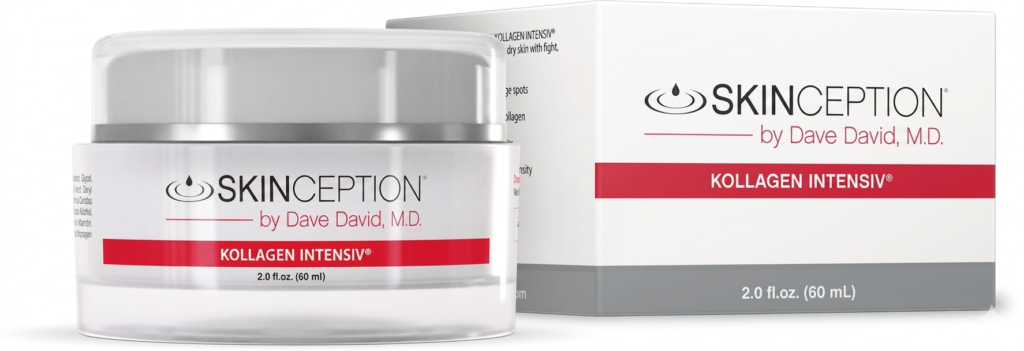
Kollagen Intensiv is one option that readers interested in the appearance of ageing skin may want to research further as part of a broader skincare routine.
Rather than expecting any cream to replace the collagen your skin naturally loses or reverse ageing, it is more useful to evaluate a product based on realistic questions:
How does it fit into your routine? Is it suitable for your skincare goals? Does its approach align with your concerns about the appearance of fine lines, texture, hydration, and ageing skin?
Those questions can help you make a more informed decision.
The Bigger Picture Behind Younger-Looking Eyes
Changes around the eyes rarely come down to one cause.
Collagen decline can influence the skin’s structural support, but hydration, sun exposure, facial movement, genetics, lifestyle, and the natural ageing process can all affect what you eventually see in the mirror.
That is why the most effective approach begins with understanding what may be changing—not simply covering it.
Protecting your skin from excessive sun exposure, maintaining hydration, treating the eye area gently, and choosing skincare thoughtfully can all contribute to a routine focused on maintaining a smoother, more refreshed appearance.
If changes around your eyes have made you more curious about age-focused skincare, Kollagen Intensiv may be worth learning more about. Exploring how it is intended to fit into an anti-ageing skincare routine can help you decide whether it matches what you are looking for before making your choice.
⭐⭐⭐⭐⭐Kollagen Intensiv™ 74 reviews