Small changes in your skincare routine and daily habits may make the delicate eye area feel more hydrated, refreshed, and cared for.
The skin around your eyes can sometimes seem to change before the rest of your face does.
One day, everything feels normal. Then suddenly, the eye area may feel dry, tight, delicate, or simply less comfortable than it used to.
The surprising part?
The solution is not always adding more eye products.
In fact, some of the most common beauty habits—over-cleansing, rubbing the eyes, using too many active ingredients, or skipping proper hydration—may actually make the delicate eye area feel less comfortable.
So, what can help the eye area feel more comfortable?
A combination of gentle skincare, consistent hydration, protection from environmental stressors, and supportive lifestyle habits can make a meaningful difference. The key is understanding what this delicate area needs—and what it may be better off without.
Here is what to know before changing your routine.
Why Eye Area Comfort Deserves More Attention
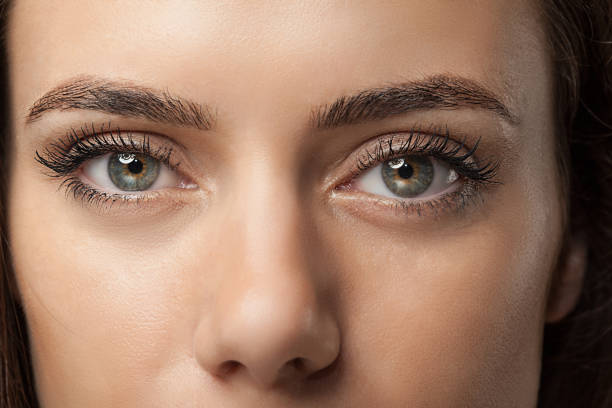
The skin surrounding the eyes is naturally delicate, which is one reason changes in texture, hydration, and appearance can become noticeable there.
Dryness may make fine lines appear more obvious. Puffiness can make the eyes look less refreshed. Repeated rubbing or harsh skincare can leave the area feeling uncomfortable.
Meanwhile, everyday factors may influence how the eye area looks and feels, including the following:
- Dry indoor air
- Sun exposure
- Lack of sleep
- Dehydration
- Frequent eye rubbing
- Harsh cleansers
- Overuse of exfoliating ingredients
- Seasonal weather changes
- Natural changes in skin with age
This is why a good eye-area routine should not focus only on wrinkles or dark circles.
Comfort matters too.
When skin is properly moisturised and treated gently, it often appears smoother, softer, and more refreshed.
What Can Help the Eye Area Feel More Comfortable?
For many people, the best place to begin is surprisingly simple: reduce unnecessary irritation while supporting moisture.
A comfortable eye-area routine generally focuses on three things:
- Gentle cleansing
- Consistent moisturisation
- Daily protection
You do not necessarily need an elaborate 10-step routine.
Instead, consistency with a few well-chosen habits may be more useful than constantly switching products.
Use a Gentle Cleansing Routine
Cleansing removes makeup, sunscreen, oil, and everyday buildup, but aggressive cleansing can also leave delicate skin feeling dry or tight.
Avoid scrubbing around the eyes.
If you wear eye makeup, gently dissolve it rather than repeatedly rubbing with a cotton pad. When washing your face, use lukewarm rather than very hot water.
After cleansing, pat the area dry instead of dragging a towel across the skin.
These small differences may not seem important, but repeated friction can add up over time.
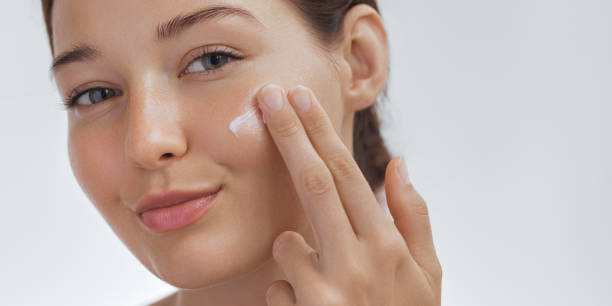
Prioritize Moisture Before Adding More Actives
When people notice changes around their eyes, they often immediately search for stronger anti-ageing ingredients.
However, sometimes the skin simply needs better moisture support.
Well-moisturised skin tends to look plumper and smoother, which may make dehydration-related fine lines appear less noticeable.
Look for skincare designed to support hydration and the skin barrier.
Depending on your skin type, useful cosmetic ingredients may include:
- Humectants that attract and retain moisture
- Emollients that help skin feel softer and smoother
- Barrier-supporting ingredients
- Peptides commonly used in anti-aging skincare
- Antioxidants that complement a well-rounded routine
More ingredients do not automatically mean better results.
A simple formula that you can use consistently may be more valuable than an overloaded routine that leaves your skin feeling uncomfortable.
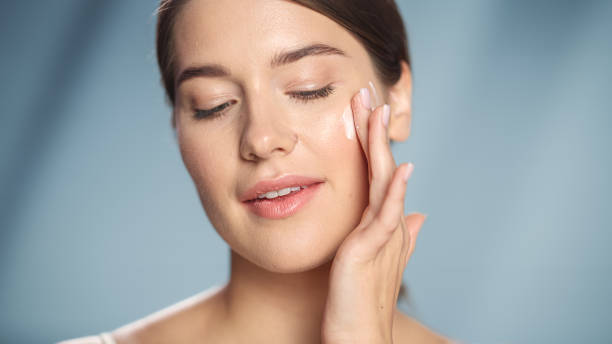
Common Mistakes That May Make the Eye Area Feel Less Comfortable
Sometimes improving comfort is less about what you add and more about what you stop doing.
Applying Too Much Product
Using extra product does not necessarily produce faster or better cosmetic results.
In some cases, applying multiple serums, creams, exfoliants, and active formulas around the same delicate area can become overwhelming for the skin.
Introduce products gradually and pay attention to how your skin responds.
Rubbing Tired or Itchy Eyes
Eye rubbing can become almost automatic, especially after a long day.
Unfortunately, the repeated pulling and friction may leave the surrounding skin looking temporarily red, puffy, or irritated.
If your eyes themselves are persistently itchy or uncomfortable, it is better to investigate the underlying reason with an appropriate healthcare professional rather than relying on repeated rubbing for relief.

Bringing Strong Facial Products Too Close to the Eyes
Not every facial skincare product is intended for use directly around the eyes.
Strong exfoliating acids, retinoids, fragranced products, or other potent ingredients may be uncomfortable for some people when used too close to this sensitive area.
Always follow the product’s directions and avoid assuming that something suitable for your cheeks or forehead belongs directly beneath your eyes.
Forgetting About Sun Protection
Skincare routines often focus heavily on nighttime products while overlooking one of the most important daytime habits: sun protection.
UV exposure contributes to visible skin ageing over time.
Using broad-spectrum sunscreen as directed, wearing sunglasses, and seeking shade can help protect delicate facial skin from unnecessary UV exposure.
Lifestyle Factors That Can Influence How Your Eye Area Looks and Feels
Skincare matters, but it is only part of the picture.
Your everyday environment and habits can influence the appearance of the eye area too.
Sleep Can Affect Your Refreshed Appearance
A short or disrupted night of sleep may leave the eye area looking different the following morning.
Some people notice more visible puffiness, shadows, or a generally tired appearance.
While skincare cannot replace adequate rest, maintaining a consistent sleep routine can support your overall appearance and well-being.
Hydration Supports Normal Skin Function
Drinking more water is not a magical wrinkle treatment.
However, adequate hydration is important for normal body and skin function.
If you are consistently under-hydrated, improving your fluid intake is a sensible part of a broader self-care routine.
Your Environment Matters More Than You May Think
Air conditioning, indoor heating, cold weather, wind, and low humidity can all influence how dry your skin feels.
If your eye area becomes less comfortable during certain seasons, your environment may be part of the explanation.
A richer moisturising routine during dry conditions may help support skin comfort.
Why Many People Overlook the Real Issue
Beauty marketing often encourages us to identify one visible concern and immediately search for one powerful ingredient.
Fine lines? Find the strongest anti-ageing product.
Dryness? Apply more cream.
Tired-looking eyes? Add another serum.
But the eye area is more complicated than that.
Visible changes can be influenced by moisture levels, genetics, facial structure, sleep, sun exposure, natural ageing, lifestyle, and skincare habits.
That means the better question may not be
“What is the strongest product I can use?”
Instead, ask:
“What does my eye area need to look and feel better supported?”
For many people, that shift leads to a gentler and more sustainable beauty routine.

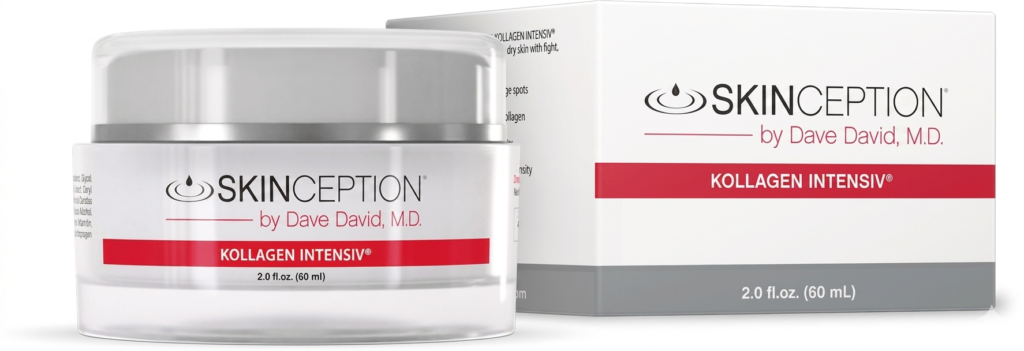
Where Kollagen Intensiv May Fit Into an Eye-Area Skincare Routine
Once you have the basics covered—gentle cleansing, hydration, sun protection, and consistent skincare—you may decide to add a targeted anti-ageing moisturiser to your routine.
One option is Kollagen Intensiv, a topical skincare formula designed to support smoother, healthier-looking skin and improve the appearance of visible signs of ageing.
For someone concerned about the appearance of fine lines and ageing around the eye area, a product like Kollagen Intensiv may fit into a broader skincare routine focused on maintaining moisture and supporting a smoother-looking complexion.
The important word here is routine.
No cosmetic cream should be expected to replace sleep, sun protection, good skincare habits, or professional care when persistent irritation is present.
Instead, targeted skincare works best as part of a consistent approach.
If you are curious about the formula, ingredients, and how Kollagen Intensiv may fit into your routine, you can click the affiliate link to learn more before deciding whether it is right for you.
Myth vs. Fact: Eye Area Comfort and Skincare
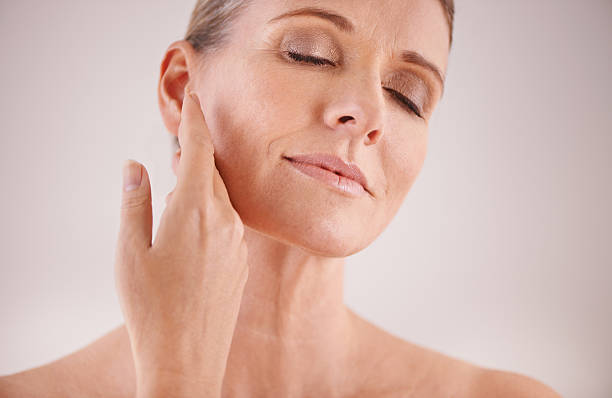
Myth: Stronger Skincare Always Works Better
Fact: More powerful is not automatically more appropriate.
The delicate eye area may respond better to a carefully balanced routine than to aggressive exfoliation or multiple strong active ingredients used at once.
Myth: Every Fine Line Means Your Skin Is Aging Rapidly
Fact: Skin texture can appear different depending on hydration, lighting, facial movement, and environmental conditions.
Temporary dryness, for example, may make existing fine lines look more noticeable.
Myth: You Need a Complicated Routine for Better-Looking Skin
Fact: Consistency often matters more than complexity.
A gentle cleanser, appropriate moisturiser, sun protection, and thoughtfully chosen targeted skincare can form a strong foundation.
Myth: Eye Cream Can Fix Every Under-Eye Concern
Fact: No single cosmetic product addresses every possible cause of under-eye changes.
Genetics, facial anatomy, sleep, allergies, pigmentation, lifestyle, and natural ageing can all influence appearance.
Understanding the likely cause of your concern can help you set more realistic expectations.

Practical Ways to Support a More Comfortable Eye Area Today
You do not need to completely rebuild your skincare routine overnight.
Start with a few simple changes:
- Remove makeup gently without aggressive rubbing.
- Use lukewarm rather than very hot water when cleansing.
- Apply moisturiser consistently instead of only when skin feels dry.
- Introduce new active skincare products one at a time.
- Wear broad-spectrum sunscreen as directed during the day.
- Use sunglasses to reduce direct sun exposure and squinting.
- Prioritise consistent sleep whenever possible.
- Pay attention to seasonal dryness and adjust your moisturiser accordingly.
- Avoid repeatedly touching or rubbing the eye area.
If you want to remember these tips, save this article for the next time your eye area feels dry, tight, or less comfortable than usual.
Sometimes the most effective change is simply identifying which everyday habit your skin has been reacting to.
Frequently Asked Questions

What can help the eye area feel more comfortable quickly?
If discomfort is related to temporary dryness, simplifying your routine and using a gentle moisturiser may help the skin feel more comfortable. Avoid rubbing, harsh cleansing, and introducing several new active ingredients at once.
Persistent burning, swelling, significant redness, pain, or eye-related symptoms should be assessed by an appropriate healthcare professional.
Why does the skin around my eyes sometimes feel tight?
Tightness may occur when the skin becomes dry or when its protective barrier has been affected by environmental conditions, cleansing habits, or certain skincare products.
Consider whether you recently changed cleansers, added a new active ingredient, spent more time in dry air, or used unusually hot water on your face.
Can moisturiser make fine lines around the eyes look better?
Moisturising can temporarily improve the appearance of dryness-related fine lines by helping the skin look smoother and more hydrated.
However, moisturisers cannot permanently erase all wrinkles or stop natural skin ageing.
Should I use anti-ageing skincare around my eyes every day?
It depends on the specific product and its directions.
Some formulas are suitable for regular use, while certain active ingredients may need to be introduced gradually.
Always follow the manufacturer’s instructions and stop using a product if you experience persistent irritation.

Can lifestyle changes really affect the appearance of the eye area?
Yes, although results vary between individuals.
Sleep, sun exposure, hydration, smoking, environmental conditions, diet, and skincare habits may all influence how skin looks over time.
Lifestyle changes work best alongside a consistent skincare routine rather than as quick fixes.
When should eye-area discomfort be checked by a professional?
If discomfort is persistent, severe, worsening, or accompanied by significant swelling, pain, vision changes, discharge, or symptoms involving the eye itself, seek advice from a qualified healthcare professional.
Cosmetic skincare is intended to support the appearance and feel of skin; it should not be used to diagnose or treat an underlying eye or medical condition.
Key Takeaways
If you have been wondering what can help the eye area feel more comfortable, the answer may be simpler than expected.
Remember:
- Gentle skincare can be especially important around delicate eye-area skin.
- Moisture support may help dry skin feel softer and look smoother.
- More products and stronger ingredients are not always better.
- Rubbing and aggressive cleansing can work against your skincare goals.
- Sleep, sun exposure, hydration, and environmental conditions may influence appearance.
- Consistency usually matters more than chasing overnight results.
- Targeted skincare such as Kollagen Intensiv may complement a broader routine focused on healthier-looking, smoother skin.
Most importantly, pay attention to what your skin is telling you.
Comfort is useful feedback.
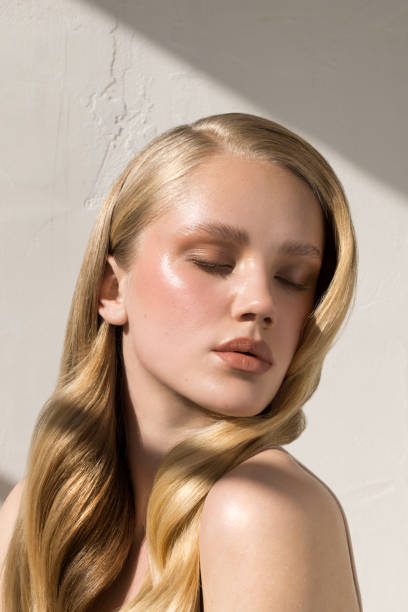
A Better Approach to Caring for the Delicate Eye Area
It is easy to look in the mirror, notice a new fine line or a tired-looking eye area, and immediately assume you need something stronger.
Often, a better approach begins with something much simpler.
Treat the area gently.
Support moisture consistently.
Protect your skin from excessive sun exposure.
Reduce unnecessary friction.
Then, if you want additional cosmetic support, choose targeted skincare thoughtfully rather than adding products at random.
If Kollagen Intensiv sounds like something that could complement your anti-ageing skincare routine, click the affiliate link to learn more about the formula, ingredients, and product details before making your decision.
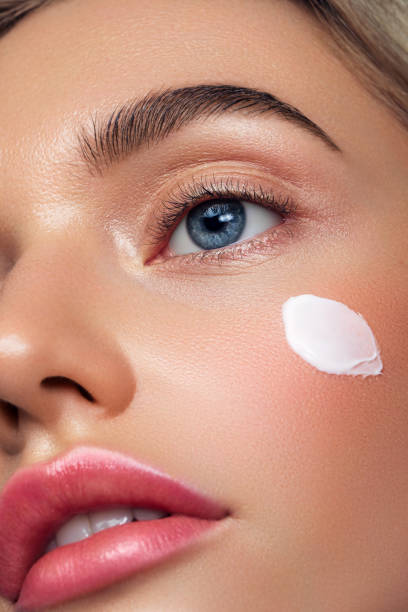
And if one idea from this article changes how you care for your eye area, save it or share it with someone who might find it useful too.
The memorable takeaway? Your eye area does not always need more—it may simply need more thoughtful care.
⭐⭐⭐⭐⭐ Trusted by Thousands of Happy Customers • 67-Day Money-Back Guarantee