Why the protein that supports your skin may play a bigger role in how refreshed your eyes appear than many people realize.

The skin around your eyes is often the first place to reveal changes that develop gradually over time. Fine lines may become more noticeable, the area can appear less firm, and your eyes may not look as bright or rested as they once did—even when you’re getting enough sleep.
While many people focus on concealers, eye creams, or makeup techniques, they sometimes overlook one of the skin’s most important structural components: collagen. Understanding how collagen relates to the delicate eye area can help explain why these visible changes occur and what you can realistically do to support healthier-looking skin.
The good news is that while collagen naturally changes with age, there are practical skincare habits that may help you maintain a smoother, more refreshed appearance around the eyes.
Why The Eye Area Shows Changes First
The skin surrounding your eyes is significantly thinner than much of the skin on the rest of your face. Because it contains less supportive tissue, even small changes beneath the surface can become visible more quickly.
Every day, this area is constantly in motion. Smiling, blinking, squinting, and facial expressions place repeated stress on delicate skin. Over the years, these repeated movements, combined with natural aging, can contribute to visible lines and reduced firmness.
Since the eye area has less natural cushioning, it often becomes the first place where people notice that their complexion looks more tired or mature.

What Exactly Does Collagen Do?
Collagen is one of the body’s primary structural proteins. It acts like a supportive framework within the skin, helping maintain its strength, resilience, and firmness.
When collagen levels are plentiful, skin generally appears smoother and more elastic. As natural collagen production gradually slows with age, the skin’s supportive structure changes.
This doesn’t happen overnight. Instead, the process is gradual, which is why many people suddenly realize one day that their eyes seem different—even though the changes have been developing for years.
Why Reduced Collagen Becomes More Noticeable Around The Eyes
Because the eye area starts with thinner skin, any reduction in structural support tends to become easier to notice.
Some common visible changes include:
Fine Lines Becoming Easier To See
As skin becomes less resilient, expression lines may remain visible for longer after smiling or squinting.
A Less Firm Appearance
The eye area may not appear as smooth or tight as it once did, making the face look less refreshed.
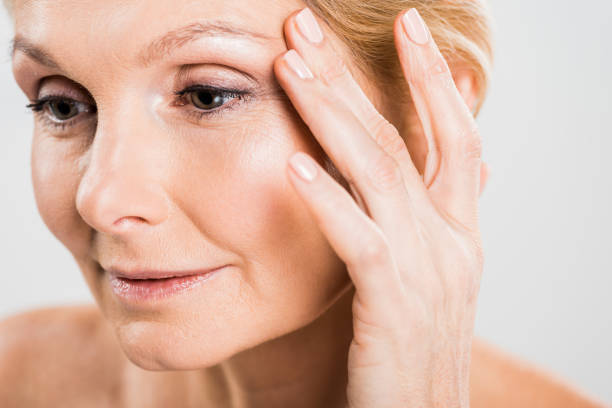
Skin Looking More Fragile
Thinner skin can reflect light differently, sometimes making shadows or uneven texture more noticeable.
These changes are a normal part of aging and vary from person to person.
Lifestyle Factors That Can Influence Collagen
Although aging is unavoidable, several everyday habits may influence how your skin looks over time.
Sun Exposure
Ultraviolet (UV) radiation is one of the biggest external factors affecting collagen. Daily sun protection helps reduce unnecessary exposure that may contribute to visible skin aging.

Smoking
Smoking has been associated with faster visible skin aging and may affect the skin’s natural support structure.
Sleep Quality
While sleep doesn’t directly restore collagen overnight, consistently poor sleep can contribute to a tired-looking complexion, especially around the eyes.
Hydration
Well-hydrated skin often appears smoother and healthier, although hydration alone cannot replace lost collagen.
Gentle Skincare
Rubbing or pulling delicate eye skin too aggressively can add unnecessary stress over time. Applying skincare products gently helps minimize friction.

Why Eye Creams Focus On Supporting Skin Appearance
Many skincare products designed for the eye area aim to improve the skin’s overall appearance rather than permanently change its structure.
A good eye-care routine may help skin feel softer, appear smoother, and look better hydrated. While no topical product can completely stop the natural aging process, consistent skincare may help improve the visible look of the delicate eye area.
Setting realistic expectations is important. Skincare works best as part of an overall routine rather than as an instant fix.

Considering Products Designed for Aging Skin
If you’re beginning to notice that the skin around your eyes looks less smooth or doesn’t appear as refreshed as it once did, you may want to explore products specifically formulated for visible signs of skin aging.
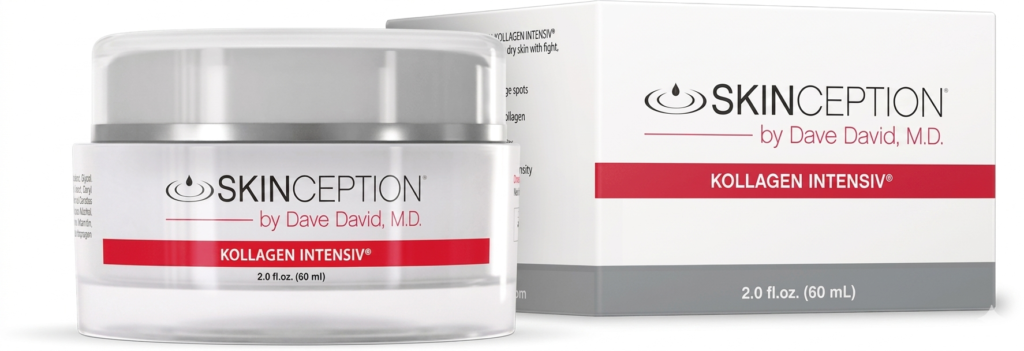
One option many people choose to learn more about is Kollagen Intensiv. It is designed for individuals who are looking to improve the appearance of aging skin as part of a consistent skincare routine.
Rather than expecting dramatic overnight changes, it’s more helpful to think of skincare as supporting your skin over time. Pairing a suitable product with daily sun protection, gentle cleansing, adequate hydration, and healthy lifestyle habits often provides a more balanced approach than relying on any single solution.
Before introducing any new skincare product, it’s always sensible to review the product information carefully and ensure it suits your individual skincare needs.
Final Thoughts
The connection between collagen and your eye area becomes much easier to understand once you recognize how delicate this part of the face really is. Because the skin is naturally thinner and constantly moving, gradual changes in collagen can become visible here earlier than elsewhere.
Although aging is inevitable, daily habits—including sun protection, gentle skincare, hydration, and a consistent routine—can all contribute to maintaining healthier-looking skin over time.
If you’re interested in learning more about skincare products created for visible signs of aging, Kollagen Intensiv may be worth exploring as part of your broader skincare routine. Understanding your options allows you to make informed choices that fit your personal skincare goals while keeping expectations realistic.
⭐⭐⭐⭐⭐Kollagen Intensiv™ 74 reviews