Why the first signs of aging around your eyes may have less to do with age alone and more to do with the everyday habits many people overlook.

When people talk about looking younger, they often focus on wrinkles, gray hair, or changes in skin texture. Yet one of the earliest areas to reveal visible signs of aging is much smaller—the delicate skin around the eyes.
Many women notice that their eyes seem to look more tired, heavier, or less vibrant long before they consider themselves “old.” Dark circles may appear more noticeable, fine lines become easier to see, and the skin may not look as firm or refreshed as it once did.
While aging is a natural part of life, it’s not the only reason these changes happen. Daily habits, environmental exposure, hydration, sleep quality, and skincare routines can all influence how the eye area looks over time. Understanding these factors can help you make more informed choices and develop a routine that supports healthier-looking skin.
Why the Eye Area Changes So Early
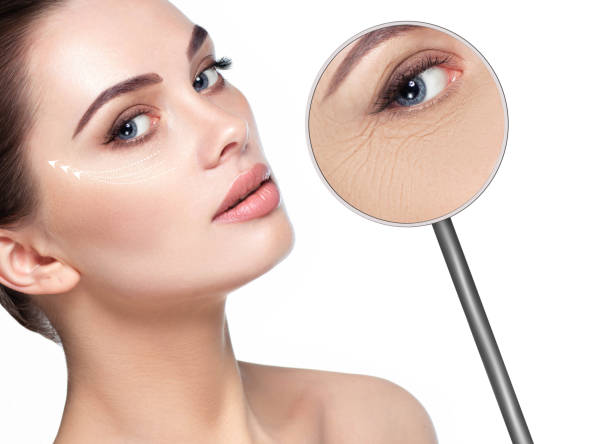
The skin surrounding the eyes is among the thinnest on the body. Because it’s naturally delicate, it often shows changes sooner than other areas of the face.
Every day, your eyes blink thousands of times. Add smiling, squinting, rubbing your eyes, and exposure to sunlight, and it’s easy to understand why this area experiences constant movement and stress.
Over time, these repeated motions, combined with normal age-related changes in the skin, can contribute to a less youthful appearance.
Everyday Factors That Can Make Eyes Look Older
1. Lack of Consistent Hydration
Skin that lacks moisture often appears dull and can make fine lines look more noticeable.
Drinking enough water is helpful for overall health, but external hydration also matters. A consistent skincare routine that supports moisture can improve the appearance of dry-looking skin around the eyes.
2. Sun Exposure
Many people apply sunscreen carefully to their cheeks and forehead but forget the eye area.
Ultraviolet (UV) exposure contributes to visible skin aging over time. Wearing sunglasses outdoors and using appropriate sun protection can help reduce unnecessary exposure to this delicate part of the face.

3. Poor Sleep Habits
Sleep is when your body performs many natural repair processes.
After several nights of poor-quality sleep, it’s common for the eye area to appear puffier, darker, or less refreshed. While one good night’s sleep won’t erase visible aging, maintaining consistent sleep habits can noticeably improve how rested your eyes appear.
4. Rubbing the Eyes Too Often
Allergies, irritation, or simple habit can lead to frequent eye rubbing.
Because the surrounding skin is delicate, repeated rubbing may contribute to irritation and can affect the skin’s appearance over time. Finding the cause of persistent irritation and treating it appropriately is often a better approach than constantly rubbing the area.
5. Skipping Daily Skincare
Many skincare routines focus heavily on cleansing and moisturizing the rest of the face while paying very little attention to the eye area.
Gentle cleansing, consistent hydration, and products specifically designed for delicate skin can become valuable parts of a long-term routine aimed at maintaining a healthier-looking appearance.

Small Daily Habits Can Make a Difference
Improving the appearance of the eye area rarely comes from one dramatic change.
Instead, many women see the greatest benefit from combining several healthy habits:
- Prioritizing consistent sleep
- Staying hydrated
- Wearing sunglasses outdoors
- Applying sunscreen daily
- Avoiding unnecessary rubbing of the eyes
- Following a gentle skincare routine
These simple practices won’t stop natural aging, but they can help support skin that looks healthier and more refreshed over time.

Where Targeted Skincare Fits In
Lifestyle habits create a strong foundation, but many women also choose to include products specifically formulated for the delicate eye area.
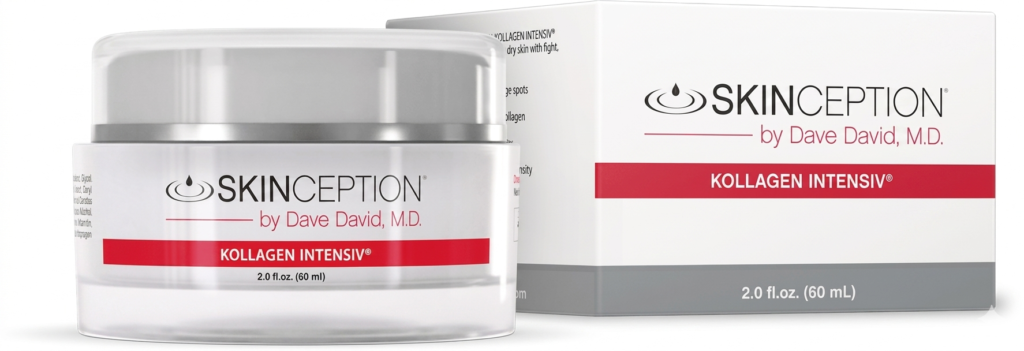
This is where a product such as Kollagen Intensiv may be worth exploring. Rather than replacing healthy skincare habits, it can become part of a broader routine focused on improving the appearance of aging or tired-looking skin.
If you’ve started noticing that your eyes no longer look as refreshed as they once did, learning more about targeted skincare options may help you decide whether they’re a good fit for your goals. The most effective approach is usually a consistent routine that combines good daily habits with products designed for the needs of delicate skin.
Instead of expecting overnight transformations, focus on steady care and realistic expectations. Small improvements in hydration, texture, and overall appearance often come from consistency rather than quick fixes.
Conclusion
The conversation about eye aging deserves more attention because the eye area often reflects everyday lifestyle choices just as much as the passage of time.
While no skincare routine can prevent natural aging, understanding the factors that influence the appearance of your eyes gives you more control over the choices you make each day. Healthy habits, thoughtful skincare, and patience can all contribute to skin that looks more refreshed and well cared for.
If you’re looking for ways to support the appearance of the delicate skin around your eyes, learning more about Kollagen Intensiv could be a worthwhile next step. Exploring how it fits into a balanced skincare routine may help you decide whether it’s the right addition for your personal beauty goals.
⭐⭐⭐⭐⭐Kollagen Intensiv™ 74 reviews