

Have you ever looked in the mirror and wondered why your eyes appear tired, even after a full night’s sleep? Perhaps dark circles seem more noticeable, puffiness takes longer to disappear, or fine lines are becoming harder to ignore. If this sounds familiar, you’re not alone. Many women over 40 notice changes around their eyes that their usual beauty routine no longer seems to address.
The delicate skin around your eyes changes naturally with age. However, the right eye care habits can help maintain hydration, support the skin’s appearance, and create a fresher, more rested look.
The key is understanding what mature skin needs and building a consistent routine that works with your skin rather than against it.

Why Your Eyes May Look More Tired After 40
The skin around the eyes is thinner and more delicate than much of the skin on the face. This makes changes in texture, hydration, and elasticity particularly noticeable in this area.
As you age, your body gradually produces less collagen, a structural protein that helps keep skin firm and supported. Elastin, which contributes to skin’s ability to stretch and return to its shape, also changes over time.
These natural processes can contribute to:
- Fine lines and wrinkles: Repeated facial expressions, sun exposure, and changes in skin structure can make lines more visible.
- Dark circles: Genetics, pigmentation, visible blood vessels, and changes in the area beneath the eyes can all play a role.
- Puffiness: Fluid retention, allergies, sleep patterns, and age-related changes around the eyes may contribute to swelling.
- Dryness and crepey texture: Reduced moisture can make delicate skin appear less smooth and cause fine lines to stand out.
Understanding these causes is important because dark circles, puffiness, and wrinkles do not all respond to the same approach. A thoughtful eye care routine should address several aspects of skin health rather than relying on one product to solve everything.
Your Daily Eye Care Checklist
A good routine does not have to involve expensive products or a crowded bathroom shelf. Consistency and gentle care are often more useful than constantly changing your skincare products.
1. Cleanse Without Stripping Your Skin
Choose a gentle cleanser that removes makeup, sunscreen, and daily impurities without leaving your skin feeling tight or uncomfortable.
Avoid rubbing your eyes vigorously when removing mascara or other eye makeup. Instead, use a suitable remover and gently dissolve the product before wiping it away.
Harsh cleansing and excessive rubbing can irritate the delicate eye area and make dryness more noticeable.
2. Prioritise Hydration
Hydration is an important part of caring for mature skin. When the skin becomes dry, fine lines can appear more pronounced, and the surface may look less smooth.
Look for moisturisers containing ingredients such as:
- Hyaluronic acid: Helps attract and retain water in the skin.
- Glycerin: A humectant that helps draw moisture into the outer skin layer.
- Ceramides: Help support the skin’s natural protective barrier.
- Emollients: Help soften the skin and reduce moisture loss.
Apply eye-area products gently, following their instructions and avoiding direct contact with your eyes.
Remember that hydration can improve the appearance of dryness and temporarily soften the look of fine lines, but it does not eliminate wrinkles permanently.

3. Make Sun Protection Non-Negotiable
Sun exposure is a major contributor to premature skin ageing. Ultraviolet radiation can damage collagen and contribute to uneven pigmentation, fine lines, and changes in skin texture.
Use broad-spectrum SPF 30 or higher sunscreen each morning, following the product’s directions. Wear sunglasses that provide UV protection and consider a wide-brimmed hat when spending time outdoors.
Sun protection is particularly important for women over 40 because it helps protect the skin from additional cumulative damage.
4. Treat the Eye Area Gently
The skin around your eyes does not need aggressive scrubbing or excessive amounts of skincare products.
Apply creams with your ring finger using a light tapping motion, without pulling or stretching the skin. Introduce new products gradually, especially if they contain active ingredients such as retinol.
If a product causes persistent stinging, redness, or irritation, stop using it and seek professional advice if symptoms continue.

Lifestyle Habits That Can Make a Difference
Your skincare products are only one part of the picture. Everyday habits can influence how refreshed your eyes appear.
Aim for consistent sleep. Most adults need around seven to nine hours of sleep each night. Poor sleep can make existing dark circles and puffiness more noticeable.
Stay hydrated. Drinking enough water supports normal body function and helps prevent dehydration. It will not remove every dark circle, but maintaining adequate fluid intake is a sensible part of general wellbeing.
Pay attention to allergies. Allergies can cause itching, watering, rubbing, and swelling around the eyes. Managing triggers and discussing persistent symptoms with a healthcare professional may help.
Eat a balanced diet. Include a variety of vegetables, fruits, protein sources, healthy fats, and other nutrient-rich foods. Adequate nutrition supports normal skin function and overall health.
Avoid smoking. Smoking contributes to premature skin ageing and can affect skin quality over time.
Small habits performed consistently are generally more practical than searching for a single miracle solution.

How Collagen Loss Affects Mature Skin
Collagen is one of the proteins that gives skin structural support. As natural collagen production declines with age, skin may gradually lose some of its firmness and resilience.
Sun exposure, smoking, and other environmental factors can contribute to collagen breakdown. This is one reason why fine lines and changes in skin texture may become more noticeable around the eyes and across the face.
Although skincare cannot completely reverse these natural changes, a routine that combines moisturising, sun protection, gentle cleansing, and healthy lifestyle habits can help support the skin’s appearance.
It is also worth remembering that the eye area is complex. Collagen loss may contribute to visible ageing, but it is not the only explanation for puffiness, pigmentation, or dark circles. Choosing care based on the specific concern is more realistic than expecting one ingredient to address every problem.

Why Consider Kollagen Intensiv in Your Beauty Routine?
For women looking to make their beauty routine more comprehensive, Kollagen Intensiv may be an option worth considering alongside established skincare habits.
Interest in collagen-related beauty products often comes from a desire to maintain a smoother, more hydrated-looking complexion as the skin changes with age. Depending on its formulation and intended use, a product may fit into a broader approach to caring for mature skin.
However, it is important to keep expectations realistic. The benefits of a collagen-related product depend on its ingredients, how it is used, and the evidence available for that particular formulation. Results cannot be guaranteed, and not every product has been shown to improve wrinkles, dark circles, or puffiness.
Kollagen Intensiv should therefore be considered as one possible part of an overall beauty routine, rather than a replacement for sunscreen, moisturising, adequate sleep, or other established skin care practices.
Before introducing any new product, check its ingredient list, directions, and suitability for your needs. If you have sensitive skin or are prone to reactions, consider seeking advice from a qualified skincare professional.
The most useful approach is to choose products that complement your existing routine and support realistic, achievable skincare goals.
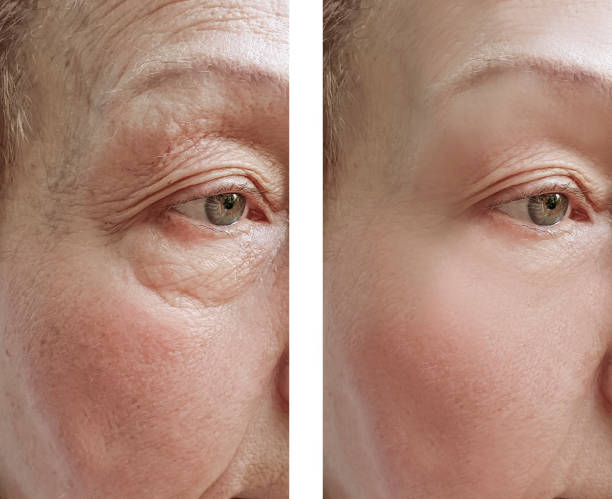
Your Weekly Eye Care Review
Once a week, take a moment to review your habits rather than judging your skin by a single morning in the mirror.
Use this simple checklist:
- Am I cleansing my face gently?
- Am I moisturising consistently?
- Am I using sunscreen and UV-protective sunglasses?
- Am I getting enough sleep?
- Have I been rubbing or irritating my eyes?
- Are my skincare products comfortable and suitable for my skin?
- Have I noticed any persistent or unusual changes around my eyes?
If puffiness develops suddenly, particularly on one side, or you experience eye pain, redness, or changes in vision, seek prompt medical advice. Persistent dark circles or swelling may also warrant professional assessment, especially when accompanied by other symptoms.
Final Thoughts: Give Mature Skin the Care It Deserves
Caring for the eye area after 40 is not about trying to look younger overnight. It is about understanding the changes your skin experiences and giving it consistent, appropriate care.
Gentle cleansing, daily sun protection, effective moisturising, healthy lifestyle habits, and carefully selected beauty products can all play a role in supporting a fresher-looking appearance.
Collagen loss is a natural part of ageing, but it is only one piece of the puzzle. By focusing on hydration, protection, and consistency, you can build an eye care routine that respects your skin’s needs and helps you feel more confident at every stage of life.
Want to learn more about caring for aging eyes? Subscribe for useful tips and
easy-to-follow advice.