

Have you ever looked in the mirror after a full night’s sleep and wondered why your eyes still look tired? Dark circles, puffiness, fine lines, and dull-looking skin around the eyes can make your face appear older or more exhausted than you actually feel. The frustrating part is that these changes do not always disappear with a little extra rest.
The good news is that a fresher-looking eye area does not necessarily require an expensive collection of beauty products. Small, consistent daily habits can help support the delicate skin around your eyes, improve its appearance, and protect it from some of the factors that contribute to premature skin ageing.
From staying hydrated to understanding the role of collagen, here are eight practical habits worth incorporating into your daily beauty routine.

1. Start Your Day by Hydrating Your Skin
One of the simplest ways to support healthy-looking skin is to maintain good hydration. When your skin becomes dehydrated, fine lines can appear more noticeable, and the area beneath your eyes may look less smooth.
The skin around the eyes is particularly delicate, making it more susceptible to showing signs of dryness. Although drinking water cannot eliminate dark circles or reverse wrinkles, maintaining adequate fluid intake supports normal skin function and overall health.
Make hydration part of your morning routine by drinking water after waking up and continuing to drink regularly throughout the day.
You can also use a gentle moisturiser formulated for the eye area. Ingredients such as glycerin and hyaluronic acid help attract and retain moisture, temporarily making the skin look plumper and softer.
Skinception kollagen Intensiv Official Website:
2. Make Quality Sleep a Priority
If your eyes frequently look puffy or tired in the morning, your sleeping habits may be worth examining.
During sleep, your body carries out important processes involved in normal tissue maintenance and recovery. Insufficient or irregular sleep can contribute to a tired appearance, accentuate under-eye shadows, and make puffiness more noticeable.
Aim for a consistent sleep schedule and enough rest to feel refreshed. Most adults need around seven to nine hours of sleep each night.
A few simple adjustments may also help:
- Keep your bedroom dark, quiet, and comfortable.
- Reduce screen use before bedtime.
- Avoid consuming caffeine late in the day if it affects your sleep.
- Try elevating your head slightly if you regularly wake with under-eye puffiness.
Better sleep will not remove every dark circle, particularly when genetics or facial structure plays a role, but it can help reduce some of the factors that make tired eyes more noticeable.

3. Protect the Eye Area from Sun Exposure
Sun exposure is one of the major contributors to premature skin ageing. Ultraviolet radiation can damage collagen and elastin, the proteins that help skin maintain its structure, firmness, and flexibility.
Over time, this damage can contribute to fine lines, wrinkles, uneven pigmentation, and a less youthful-looking complexion.
Because the skin around the eyes is thin and delicate, protecting it deserves special attention.
Apply a broad-spectrum SPF 30 or higher sunscreen daily, following the product instructions. Choose a formula suitable for use around the eyes, and avoid getting it directly into them. Sunglasses that provide UV protection and a wide-brimmed hat offer additional protection outdoors.
Consistent sun protection is one of the most valuable habits for maintaining a smoother-looking eye area over the long term.
4. Use a Gentle Approach to Eye Care
The skin beneath your eyes is thinner than much of the skin on your face. Rubbing, pulling, or scrubbing it aggressively can cause irritation and make the area look temporarily red or swollen.
Be particularly careful when removing eye makeup. Instead of rubbing repeatedly, use a suitable makeup remover and gently wipe away the product.
When applying moisturiser or eye cream, use your ring finger to pat a small amount onto the skin rather than dragging it across the surface.
If you wear contact lenses or experience seasonal allergies, avoid rubbing your eyes when they feel itchy. Addressing the source of irritation may help reduce redness and puffiness.
Gentle care will not prevent every wrinkle, but it helps protect the skin barrier and reduces unnecessary irritation.

5. Eat to Support Healthy Skin
Your skin relies on a range of nutrients to maintain its normal structure and function. A balanced diet provides the building blocks your body needs for ongoing tissue maintenance, including the production of collagen.
Collagen is a structural protein that helps give skin its strength and support. As we age, natural collagen production gradually declines, while existing collagen can become damaged by sun exposure and other environmental factors.
You cannot stop this process entirely, but good nutrition can help support overall skin health.
Include a variety of foods in your daily meals, such as:
- Citrus fruits, berries, capsicum, and other vitamin C sources.
- Eggs, fish, lean meats, beans, and other protein-rich foods.
- Nuts, seeds, and other sources of healthy fats.
- Colourful vegetables that provide a range of vitamins and antioxidants.
Vitamin C is particularly important because the body needs it to produce collagen. A varied, nutrient-rich diet supports healthy skin more reliably than depending on a single food or beauty product.

6. Manage Morning Puffiness With Cooling
Waking up with swollen-looking eyes can be frustrating, especially when you have a busy day ahead.
Under-eye puffiness can have several causes, including fluid accumulation, allergies, lack of sleep, and natural changes in the tissues surrounding the eyes. It can also become more noticeable with age.
For temporary relief, try placing a clean, cool compress over your closed eyes for several minutes. The cool temperature may help reduce the appearance of swelling and leave the area feeling refreshed.
Avoid placing ice directly against your skin, as extreme cold can cause irritation or injury.
If puffiness is persistent, consider whether factors such as salty meals, allergies, or inconsistent sleep might be contributing. Sudden swelling, particularly when it affects only one eye or occurs with pain or vision changes, should be assessed by a healthcare professional.
7. Choose Skincare That Supports Moisture and Elasticity
A consistent skincare routine can help improve the appearance of fine lines and support a smoother-looking complexion.
Look for products that address the needs of the delicate eye area without causing irritation. Moisturisers help reduce water loss, while selected skincare ingredients may improve the appearance of uneven texture and early signs of ageing.
For example, hyaluronic acid helps attract moisture, while appropriately formulated retinoid products may help improve the appearance of fine lines over time. Retinoids can irritate sensitive skin, so introduce them cautiously and seek professional advice if you are unsure whether they are suitable.
It is also important to have realistic expectations. A moisturiser may soften the appearance of dehydration lines, but it cannot completely remove deep wrinkles, eliminate hereditary dark circles, or restore all the collagen lost with age.
The most effective routine is one you can follow consistently without irritating your skin.
8. Consider Collagen Support as Part of Your Beauty Routine
As skin ages, changes in collagen production, hydration, and elasticity can influence the appearance of the eye area. This is a natural process, but it explains why many people explore additional ways to support their skin as they get older.
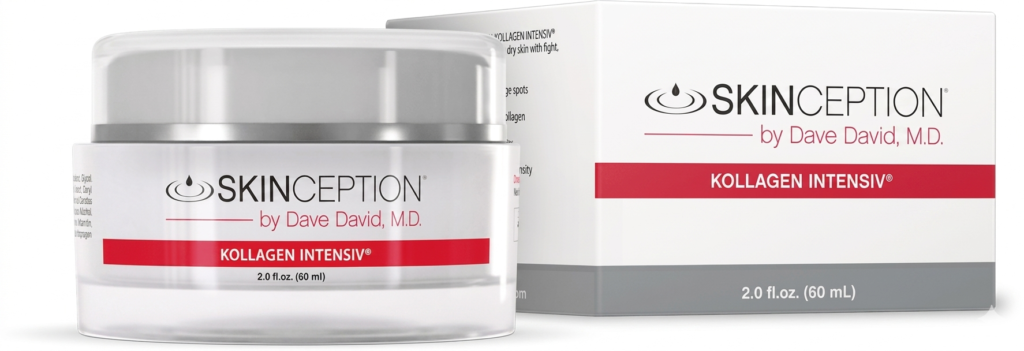
Kollagen Intensiv is one option people may consider when building a beauty routine focused on maintaining a fresher-looking complexion and addressing visible signs of ageing.
Its suitability depends on the product’s specific ingredients, formulation, and directions for use. Before adding it to your routine, review the ingredient list and product information to understand what it contains and whether it meets your needs.
It is important to approach collagen-focused beauty products with realistic expectations. Results vary between individuals, and no product can guarantee the removal of wrinkles, dark circles, or under-eye bags. Evidence for collagen supplements also depends on the particular formulation and the quality of the available research.
Think of Kollagen Intensiv as a potential part of a broader approach rather than a replacement for everyday skincare, balanced nutrition, adequate sleep, hydration, and sun protection.
Combining sensible habits is a more practical way to support your skin than expecting one product to solve every concern.
Build a Daily Routine for Fresher-Looking Eyes
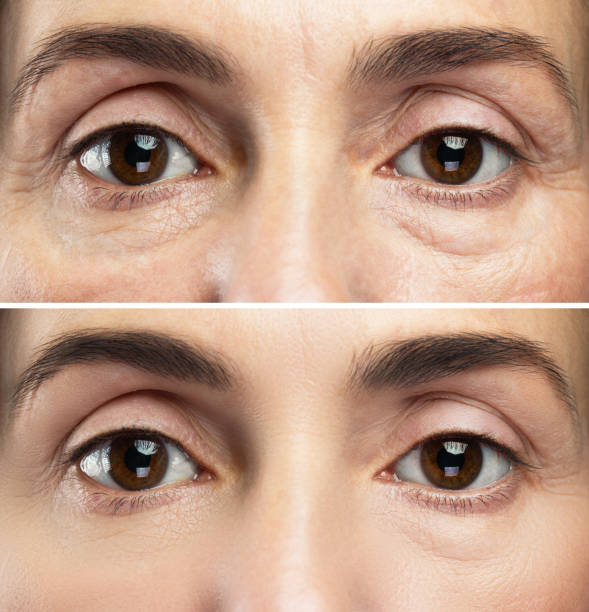
A tired-looking eye area can result from several factors, including dehydration, poor sleep, sun exposure, genetics, and the natural decline in collagen as we age. Understanding these influences makes it easier to choose habits that address your particular concerns.
Start with the basics: drink enough water, prioritise sleep, protect your skin from the sun, eat a balanced diet, and handle the delicate eye area gently. Add suitable skincare products when they meet a genuine need, and give your routine time to work.
Remember that healthy-looking skin does not mean having a completely wrinkle-free face or eliminating every dark circle. The goal is to support your skin, maintain its comfort and hydration, and help your eyes look as refreshed as possible.
Small daily changes, repeated consistently, can make your beauty routine more effective and sustainable as your skin changes over time.
Want more tips for younger-looking eyes? Subscribe for simple eye-care advice
delivered to your inbox.