

Have you ever looked in the mirror and wondered why your eyes suddenly appear puffier, darker, or more tired than usual? Even after a good night’s sleep, the skin beneath your eyes can sometimes look less smooth, making fine lines, shadows, and under-eye bags more noticeable.
The truth is that tired-looking eyes are not always caused by a lack of sleep. Changes in skin structure, fluid retention, dehydration, allergies, and everyday habits can all influence the appearance of the delicate under-eye area.
As skin ages, it also gradually loses collagen and elasticity, which can affect how firm and smooth it looks. Understanding what contributes to under-eye puffiness and dark circles can help you choose a beauty routine that better supports your skin.
Here are seven common reasons your eye bags may be becoming more noticeable, along with practical ways to care for the skin around your eyes.
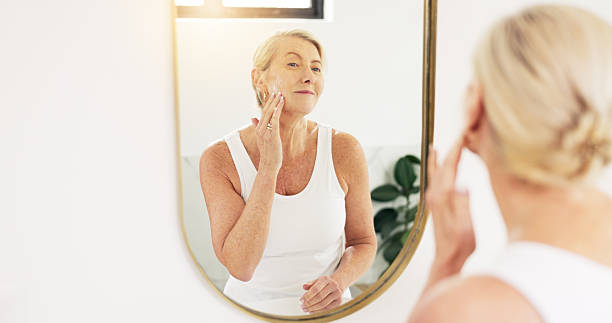
1. Natural Collagen Loss and Skin Ageing
One of the most common reasons bags become more visible is the natural ageing process.
Collagen is a structural protein that helps support the skin, contributing to its firmness and strength. As we grow older, collagen production gradually declines, while existing collagen fibres change. The skin can become thinner, less elastic, and more prone to showing fine lines.
These changes are particularly noticeable around the eyes because the skin in this area is naturally delicate.
Age-related changes in the tissues and fat surrounding the eyes can also contribute to puffiness or under-eye bags. When the skin becomes less firm, existing contours and shadows may appear more pronounced.
What can help: Use a gentle moisturiser, apply broad-spectrum sunscreen daily, and avoid unnecessary rubbing or pulling around the eyes. Consistent skincare can help support the skin’s appearance, although topical products cannot reverse every structural change associated with ageing.
2. Poor Sleep and Persistent Tiredness
A restless night can leave your eyes looking noticeably different the following morning.
Insufficient sleep may contribute to a tired appearance, making existing dark circles, puffiness, and fine lines more apparent. When you’re exhausted, changes in complexion and the contrast between your skin and the area beneath your eyes may also become easier to notice.
However, sleep is not the only factor. Genetics, ageing, and facial anatomy can influence under-eye shadows even when you regularly get enough rest.
What can help: Aim for a consistent sleep schedule and allow enough time for quality rest. Keeping your head slightly elevated while sleeping may also help some people experience less fluid accumulation around their eyes overnight.
If puffiness is primarily related to temporary fluid retention, you may notice improvement as the morning progresses.

3. Dehydration and Reduced Skin Comfort
When your body does not receive enough fluid, your skin may appear less fresh and supple. Dehydration can also make existing fine lines more noticeable, particularly in areas where the skin is thin.
The skin around your eyes can be especially sensitive to changes in moisture. When its outer protective barrier becomes dry, the surface may look rougher, and small creases can become more visible.
It is important to distinguish dehydration from permanent under-eye bags. Drinking more water may help if you are dehydrated, but it will not necessarily eliminate puffiness caused by genetics, age-related changes, or fat displacement.
What can help:
- Drink water regularly throughout the day.
- Apply a moisturiser suited to your skin type.
- Avoid harsh cleansers that leave the skin feeling tight.
- Consider a gentle eye cream if dryness and fine lines are concerns.
Maintaining comfortable, hydrated skin can help create a smoother-looking appearance without promising to remove under-eye bags completely.
4. Allergies and Irritation Around the Eyes
Seasonal allergies and other sensitivities can contribute to puffy eyes, redness, itching, and dark-looking circles.
When your body reacts to an allergen, inflammation and congestion around the nose and eyes can affect the appearance of the under-eye area. Frequent rubbing makes matters worse because it can irritate delicate skin and increase redness.
Allergy-related dark circles are sometimes called allergic shiners. They can develop when congestion affects blood flow around the eyes and nose.
What can help: Identify potential triggers, avoid rubbing your eyes, and consider a cool compress for temporary relief. If allergies are persistent, a pharmacist or healthcare professional can help you identify appropriate treatment.
Choose fragrance-free products around the eyes if your skin is easily irritated, and introduce new skincare products gradually.

5. Excess Salt, Alcohol, and Fluid Retention
Have your eyes ever looked puffier after a salty meal or an evening out? Temporary fluid retention may be part of the reason.
Fluid can accumulate around the eyes, particularly overnight, making the lower eyelids appear swollen. High-sodium meals may contribute to fluid retention in some people, while alcohol can disrupt sleep and affect hydration.
The effect varies from person to person. A single meal or drink will not necessarily cause noticeable eye bags, but recurring lifestyle patterns may influence how refreshed your face looks.
What can help: Eat a balanced diet, moderate your sodium intake, drink water regularly, and pay attention to how your body responds to particular habits.
If your puffiness repeatedly appears in the morning and gradually improves during the day, temporary fluid accumulation may be contributing to the problem.
6. Sun Exposure and Loss of Skin Elasticity
Daily sun exposure can gradually affect the skin’s collagen and elastin, the proteins that help maintain its structure and flexibility.
Over time, ultraviolet radiation contributes to photoaging, which can include fine lines, uneven pigmentation, and reduced skin elasticity. Because the under-eye area is delicate, these changes may become particularly noticeable there.
Sun-related pigmentation can also make the area beneath the eyes look darker, even when there is little actual swelling.
What can help: Apply broad-spectrum SPF 30 or higher sunscreen, wear sunglasses, and seek shade when the sun is strong. Choose products that are suitable for the eye area and avoid getting sunscreen directly into your eyes.
Protecting your skin consistently is one of the most useful long-term habits for maintaining a smoother, healthier-looking complexion.

7. Genetics, Facial Structure, and Everyday Stress
Sometimes, noticeable eye bags have very little to do with your current skincare routine.
Genetics can influence skin thickness, pigmentation, facial fat distribution, and the natural shape of the area beneath your eyes. Some people develop prominent under-eye hollows or bags earlier than others because of their inherited facial structure.
Stress can also affect sleep quality and encourage habits that make tired-looking eyes more apparent. Combined with natural ageing, these factors may create the impression that eye bags are becoming increasingly difficult to manage.
What can help: Focus on the factors you can influence, including sleep, hydration, sun protection, gentle skincare, and stress management. Remember that a skincare product may improve moisture and the appearance of fine lines without changing the underlying structure of your face.
Sudden swelling, persistent one-sided puffiness, pain, redness, or changes in vision should not automatically be attributed to ageing. Seek medical advice if these symptoms occur.

Could Kollagen Intensiv Fit Into Your Beauty Routine?
When your goal is smoother, more supple-looking skin, it makes sense to look beyond eye creams and consider your overall skincare routine.
Kollagen Intensiv may be an option for people interested in supporting the appearance of ageing skin. Its suitability depends on the specific formulation, ingredients, and how it is intended to be used.
Products marketed for collagen support may appeal to people concerned about fine lines, skin firmness, and visible signs of ageing. However, the benefits depend on the product’s ingredients and the available evidence. No collagen-focused product should be expected to eliminate genetic under-eye bags, reverse age-related changes, or guarantee a particular result.
If you are considering Kollagen Intensiv, assess its ingredient list, follow the product’s directions, and consider whether it complements your existing beauty routine.
It is also worth remembering that collagen support is only one part of skin care. Adequate sleep, sun protection, a balanced diet, and appropriate moisturising remain important foundations.
For the delicate eye area, avoid applying products there unless their instructions specifically indicate that they are suitable for that use.
Final Thoughts: A Fresher Look Starts With Understanding Your Skin
More noticeable eye bags can have several causes, from temporary puffiness and dehydration to collagen loss, sun damage, and inherited facial features.
The most effective approach is to identify which factors may be affecting your appearance rather than assuming every under-eye concern requires the same solution.
Start with simple, consistent habits: prioritise sleep, maintain hydration, protect your skin from the sun, and use gentle skincare that supports the skin barrier. If you are interested in additional skin-support products, consider options such as Kollagen Intensiv with realistic expectations about their potential benefits.
Your under-eye area does not need to look perfectly smooth to look healthy and refreshed. Understanding your skin, caring for it consistently, and choosing products thoughtfully can help you build a beauty routine that works with your skin as it changes over time.
Want to learn more about caring for aging eyes? Subscribe for useful tips and
easy-to-follow advice.