

Have you ever looked in the mirror after a full night’s sleep and wondered why your eyes still look tired? Dark circles, puffiness, fine lines, and dry-looking skin can make your face appear older or less refreshed than you feel. The frustrating part is that the delicate skin beneath your eyes often needs a different approach from the rest of your face.
The good news is that caring for the under-eye area doesn’t have to involve an expensive collection of products or a complicated beauty routine. Small, consistent habits can help support smoother-looking, more hydrated skin while reducing some of the everyday factors that contribute to a tired appearance.
If you’re concerned about under-eye wrinkles, dark circles, or the visible signs of ageing, these ten practical tips can help you build a simple routine that puts your skin first.

Why the Skin Beneath Your Eyes Needs Extra Care
The skin around your eyes is thinner and more delicate than much of the skin elsewhere on your face. It has fewer oil glands, which means it can be more prone to dryness and irritation. Repeated facial movements, environmental exposure, and the natural ageing process can also make fine lines more noticeable over time.
Collagen is an important structural protein that helps give skin its firmness and support. As we age, natural collagen production declines, and the skin gradually loses some of its elasticity. This can contribute to fine lines, a less firm appearance, and changes in the way light reflects off the under-eye area.
Dark circles and puffiness have several possible causes, including genetics, allergies, fluid retention, pigmentation, and lack of sleep. Understanding what contributes to your particular concern makes it easier to choose habits and products that suit your needs.
1. Keep the Under-Eye Area Properly Hydrated
One of the simplest ways to care for the skin beneath your eyes is to maintain adequate moisture. When skin becomes dry, fine lines can appear more prominent, and the surface may look less smooth.
Choose a gentle eye moisturiser designed for the delicate eye area. Ingredients such as glycerin, hyaluronic acid, and ceramides can help attract or retain moisture and support the skin barrier.
Apply a small amount with your ring finger, using gentle tapping movements rather than pulling or rubbing the skin. Consistent hydration can improve the appearance of dryness, although it won’t permanently remove wrinkles.

2. Wear Sunscreen Every Day
Sun exposure is one of the major environmental factors associated with premature skin ageing. Ultraviolet radiation can damage collagen and contribute to uneven pigmentation, fine lines, and loss of elasticity.
Apply a broad-spectrum SPF 30 or higher sunscreen daily, following the product’s directions. Use a formula suitable for the face and eye area, taking care to avoid direct contact with the eyes.
Sunglasses and a wide-brimmed hat provide additional protection. These simple steps can help protect the delicate under-eye skin from cumulative sun damage.
3. Prioritise Consistent, Quality Sleep
Sleep affects how refreshed your face looks. Poor sleep may make dark circles, puffiness, and a tired appearance more noticeable, particularly if you already have naturally prominent under-eye shadows.
Aim for a regular sleep schedule and enough rest to feel refreshed. Many adults benefit from around seven to nine hours of sleep each night.
If morning puffiness is a concern, try keeping your sleeping schedule consistent and consider slightly elevating your head. These habits may help some people, although genetics and other underlying factors can still influence the appearance of the eye area.

4. Use a Cool Compress for Morning Puffiness
Waking up with puffy eyes can be frustrating, especially when you have a busy day ahead. Temporary fluid accumulation, allergies, and changes in sleep position can all contribute to morning swelling.
A cool, clean washcloth placed gently over closed eyes for several minutes may help reduce temporary puffiness.
Avoid placing ice directly on your skin or applying excessive pressure. If swelling is persistent, painful, one-sided, or accompanied by vision changes, seek medical advice rather than relying on cosmetic treatments.
5. Remove Makeup Without Rubbing
Waterproof mascara, eyeliner, and concealer can be difficult to remove, but aggressive cleansing may irritate the delicate skin around your eyes.
Use a gentle makeup remover suitable for the eye area. Allow it to loosen the makeup before wiping it away softly. Avoid scrubbing, stretching the skin, or repeatedly rubbing the same area.
Removing makeup before bed also helps you maintain a clean, comfortable skincare routine. If a product causes stinging, redness, or itching, stop using it and consider switching to a gentler alternative.
6. Be Mindful of Collagen and Natural Skin Ageing
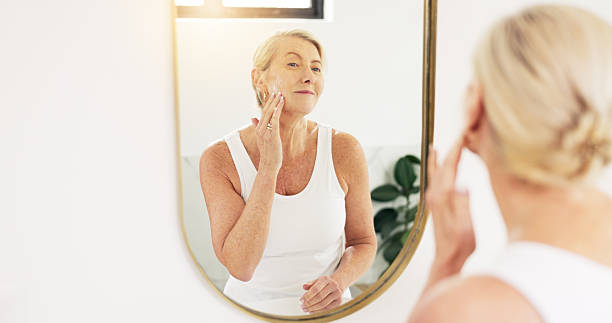
Collagen helps maintain the structure and firmness of skin, but its production naturally changes with age. This is one reason fine lines and reduced elasticity may become more noticeable beneath the eyes.
Although no skincare routine can completely prevent natural ageing, protecting your skin from UV exposure, avoiding smoking, eating a balanced diet, and maintaining good hydration can support overall skin health.
Topical moisturisers can temporarily soften the appearance of fine lines by improving hydration. Ingredients such as retinoids may also help address certain signs of photoaging, but they can irritate the eye area and should be selected carefully, particularly for sensitive skin.
Remember that healthy-looking skin is not about eliminating every line. It’s about caring for your skin consistently and realistically.

7. Eat a Balanced Diet That Supports Skin Health
Your skin relies on nutrients to maintain its normal structure and function. A varied diet provides protein, vitamins, minerals, and other nutrients involved in skin maintenance.
Include foods such as eggs, fish, beans, nuts, vegetables, fruit, and whole grains. Vitamin C-rich foods, including berries, citrus fruits, and capsicum, are particularly useful because vitamin C contributes to normal collagen formation.
No single food can erase dark circles or reverse under-eye wrinkles. However, a balanced eating pattern helps provide the nutrients your body needs to maintain healthy skin over time.
8. Avoid Overloading Your Skin With Products
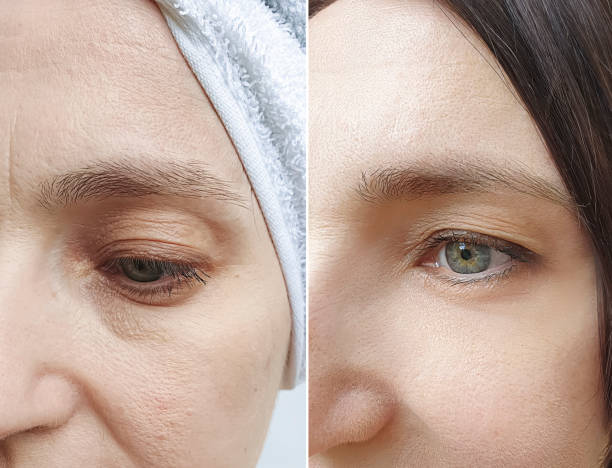
Using more products doesn’t necessarily mean getting better results. Applying several active ingredients around the eyes can increase the risk of irritation, dryness, and redness.
Start with a simple routine:
- A gentle cleanser.
- A moisturiser suitable for the eye area.
- Daily sun protection.
Introduce new products one at a time so you can identify anything that doesn’t suit your skin. Fragrance-free formulas may be preferable if you have sensitive skin.
Give your routine time to work. Improvements in hydration may become noticeable relatively quickly, while changes in the appearance of fine lines generally require longer and depend on the ingredients used.

9. Reduce Lifestyle Habits That Can Make Eyes Look Tired
Everyday habits can influence how refreshed your eyes appear. Smoking, excessive alcohol consumption, inconsistent sleep, and unmanaged allergies may contribute to a less rested appearance in some people.
If allergies make your eyes itchy or watery, avoid rubbing them and consider speaking with a healthcare professional about suitable treatment.
Staying hydrated throughout the day is also sensible, particularly in hot weather or when you’re physically active. Drinking excessive amounts of water won’t eliminate dark circles, but avoiding dehydration supports normal bodily function and helps maintain overall wellbeing.
Small improvements in your daily routine can make under-eye care easier to maintain.

10. Consider Kollagen Intensiv as Part of Your Beauty Routine
For people looking to take a broader approach to skin care, Kollagen Intensiv may be an option worth considering alongside everyday habits.
When evaluating a skincare product, look carefully at its ingredient list, intended use, directions, and available evidence. Consider whether its formulation suits your skin type and whether its claims are supported by reliable information.
Kollagen Intensiv should be viewed as a potential addition to a consistent beauty routine, not a guaranteed solution for dark circles, puffiness, or under-eye wrinkles. The results you can reasonably expect depend on the formulation, how the product is used, and the underlying cause of your skin concerns.
It’s also important to distinguish between improving skin hydration and changing the skin’s underlying structure. A product may help the skin look smoother or feel more moisturised without necessarily restoring lost collagen.
For the most balanced approach, combine any product you choose with sun protection, gentle cleansing, adequate sleep, and a nourishing diet. A straightforward routine that you can maintain is often more practical than constantly switching between treatments.
Give Your Under-Eye Skin Consistent Care
The skin beneath your eyes can reveal signs of tiredness, dryness, and natural ageing, but it doesn’t need an elaborate routine to receive proper care.
Focus on the basics: moisturise gently, protect against the sun, sleep consistently, remove makeup carefully, and support your skin with a balanced lifestyle. If you decide to try a product such as Kollagen Intensiv, evaluate it realistically and use it as one part of your overall beauty routine.
Most importantly, remember that dark circles, fine lines, and changes in skin texture are common. The goal isn’t to achieve completely flawless skin. It’s to keep the delicate area beneath your eyes comfortable, protected, and looking as healthy and refreshed as possible.
Keep discovering better ways to care for your eyes. Subscribe for more helpful
advice.