

Have you ever looked in the mirror and wondered why your eyes appear exhausted when you actually feel perfectly fine? Dark circles, puffy under-eyes, fine lines, and dull-looking skin can make your face seem more tired or older than you feel inside. The surprising part is that a poor night’s sleep isn’t always to blame.
The delicate skin around your eyes is especially sensitive to changes in hydration, circulation, collagen levels, and everyday habits. Even small changes can affect how fresh, smooth, and youthful your eyes appear.
The good news is that understanding what’s behind tired-looking eyes can help you make smarter skincare choices. Here are ten common reasons your eyes may look more tired than you feel, along with practical ways to support a brighter, healthier-looking appearance.

1. Natural Collagen Loss and Ageing Skin
Collagen is a structural protein that helps keep skin firm, supported, and resilient. As you age, your body gradually produces less collagen, and existing collagen fibres change. This can contribute to thinner-looking skin, reduced elasticity, and more noticeable fine lines around the eyes.
Because the under-eye area has naturally delicate skin, these changes can become particularly visible. Shadows and hollows may also become more noticeable as facial volume changes over time.
A consistent skincare routine, daily sun protection, and healthy lifestyle habits can help support skin quality. Collagen-focused beauty products, including Kollagen Intensiv, may also appeal to people looking to complement their existing approach to skin ageing.
2. Dark Circles That Create a Shadowed Appearance
Dark circles are among the most common reasons eyes look tired. However, they don’t have one single cause.
Genetics, pigmentation, visible blood vessels, allergies, and changes in the structure of the under-eye area can all contribute. Sometimes, what appears to be dark pigmentation is actually a shadow created by natural hollows beneath the eyes.
The best approach depends on the cause. Gentle skincare, sun protection, and avoiding rubbing the eyes may help in some cases, although inherited dark circles can be difficult to change completely.

3. Dehydrated Skin That Makes Fine Lines More Noticeable
When the skin lacks sufficient moisture, its surface can look less smooth and supple. Fine lines may appear more pronounced, particularly around the eyes, where the skin is naturally thin.
Dehydration doesn’t necessarily mean your body is severely lacking water. The skin’s moisture barrier can also lose water, especially in dry weather, after excessive cleansing, or when using irritating skincare products.
To help your under-eye area look fresher, consider a gentle moisturiser formulated for the face and suitable for the eye area. Ingredients such as glycerin and hyaluronic acid can help attract and retain moisture, temporarily improving the appearance of dryness-related lines.

4. Morning Puffiness and Fluid Retention
Waking up with puffy eyes can make your entire face look heavier, even after a reasonable night’s sleep.
Fluid can accumulate around the eyes while you lie down. Salt intake, allergies, hormonal fluctuations, and individual anatomy may also influence puffiness.
A few simple habits may help:
- Apply a cool compress for several minutes.
- Avoid rubbing or irritating the delicate eye area.
- Consider whether salty evening meals affect your morning appearance.
- If comfortable, slightly elevate your head while sleeping.
Persistent or sudden swelling deserves medical attention, particularly if it affects only one eye or occurs with pain, redness, or vision changes.
5. Too Much Screen Time and Eye Strain
Hours spent looking at phones, laptops, and tablets can leave your eyes feeling dry, uncomfortable, or strained. People also tend to blink less frequently while concentrating on screens, which can contribute to dryness.
Although screen time doesn’t directly explain every dark circle or wrinkle, irritated eyes and facial tension can make you feel less refreshed.
Try taking regular breaks, looking into the distance, and consciously blinking more often. Adjusting screen brightness and reducing glare may also improve comfort.
If dryness persists, an eye-care professional can help identify suitable treatment.
6. Inconsistent or Poor-Quality Sleep
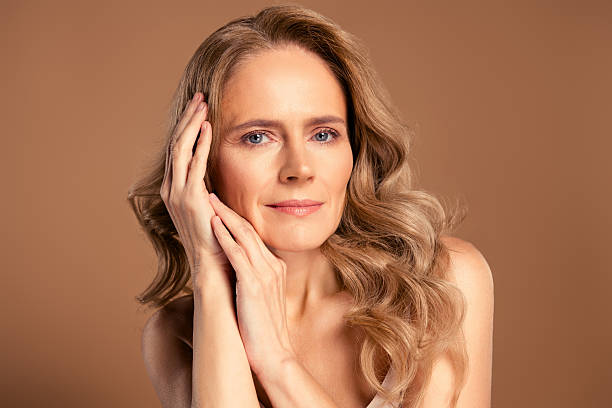
Even if you spend enough hours in bed, disrupted sleep can affect how rested you look.
Poor-quality sleep may contribute to temporary puffiness, more noticeable shadows, and a dull complexion. It can also influence the habits that support healthy skin, including exercise, nutrition, and stress management.
Aim for a consistent sleep schedule and a relaxing evening routine. Reducing late-night screen use and keeping your bedroom comfortable may help improve sleep quality over time.
Remember that sleep is only one piece of the puzzle. Genetics, allergies, and natural facial structure can still influence the appearance of your eyes.
7. Sun Exposure and Premature Skin Ageing
UV exposure is a major contributor to premature skin ageing. Over time, sunlight can damage collagen and elastin, the proteins that help skin maintain its structure and flexibility.
The result may include fine lines, uneven pigmentation, and a less even-looking skin tone around the eyes.
Daily broad-spectrum sunscreen, sunglasses, and a hat can help protect the delicate eye area. Choose products designed for use around the eyes and avoid getting sunscreen directly into them.
Sun protection is one of the most useful long-term habits for maintaining smoother-looking skin.
8. Stress and Everyday Lifestyle Habits
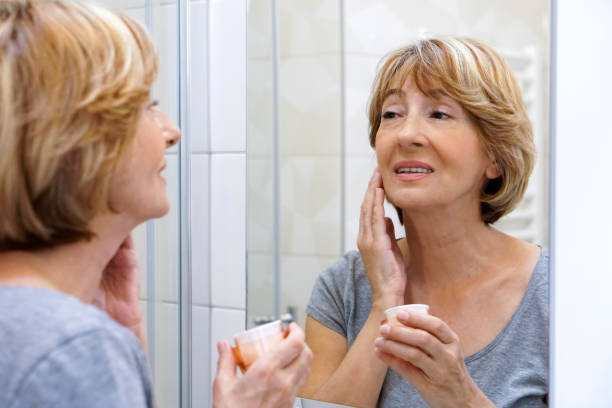
Busy schedules, ongoing stress, and limited time for self-care can gradually affect your appearance.
Stress may disrupt sleep, influence eating habits, and make it harder to maintain a consistent skincare routine. Smoking can also accelerate skin ageing, while excessive alcohol consumption may contribute to dehydration and temporary puffiness in some people.
Rather than searching for one miracle solution, focus on manageable changes. Regular movement, balanced meals, adequate rest, and time to unwind can support general wellbeing and help you maintain a healthier-looking complexion.
9. Changes in Skin Elasticity and Under-Eye Volume
The skin around your eyes changes as you age, but collagen loss isn’t the only factor involved.
Reduced elasticity, shifts in facial fat, and changes in the tissues beneath the eyes can create hollows, folds, or shadows. These structural changes may make the eyes look tired even when the skin itself is well moisturised.
Skincare can improve surface hydration and texture, but creams and beauty treatments cannot reliably reverse deeper structural changes. Understanding this distinction helps you set realistic expectations and choose products for the concerns they can actually address.

10. Skincare Products That Don’t Suit Your Skin
Sometimes, the products intended to make your eyes look fresher may actually be contributing to the problem.
Strong exfoliants, fragranced products, and unsuitable active ingredients can irritate the delicate skin around the eyes. Irritation may lead to redness, dryness, flaking, or increased sensitivity.
Keep your routine simple and introduce new products gradually. Avoid applying facial treatments too close to your eyes unless they’re specifically suitable for that area.
If a product causes persistent burning, itching, or swelling, stop using it and seek appropriate advice.
Why Consider Kollagen Intensiv in Your Beauty Routine?
When tired-looking eyes are accompanied by concerns about fine lines, skin texture, or a loss of firmness, it makes sense to consider your overall approach to skin ageing.
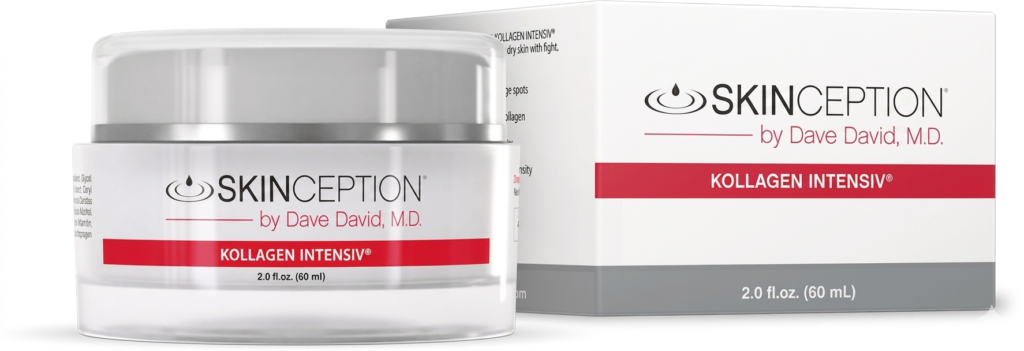
Kollagen Intensiv may be an option for people exploring collagen-focused beauty care as part of a broader routine. Its relevance depends on the specific product formulation, ingredients, and intended use, so it’s important to review those details before deciding whether it suits your needs.
Keep expectations realistic. No single beauty product can address every cause of dark circles, puffiness, or under-eye hollows. Results also vary according to individual skin characteristics, age, and the underlying concern.
A more balanced approach combines suitable skincare, hydration, sun protection, nutritious food, and consistent sleep. If collagen supplements are being considered, remember that evidence for benefits varies by formulation, and results are not guaranteed.
The Bottom Line: Fresher-Looking Eyes Start With Understanding Your Skin
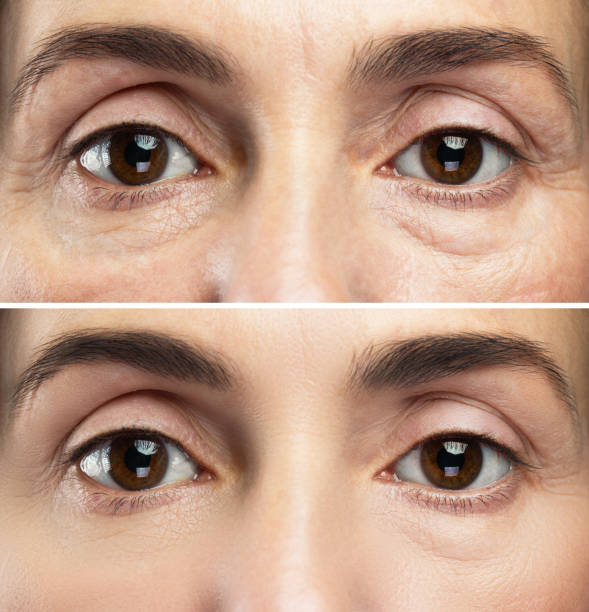
Your eyes can look tired for many reasons, from natural collagen loss and dehydration to allergies, sun exposure, and changes in facial structure. Identifying the likely cause is the first step towards choosing an approach that makes sense for your skin.
Start with the basics: protect the eye area from the sun, use gentle moisturising products, prioritise sleep, and pay attention to habits that may contribute to puffiness or irritation.
Kollagen Intensiv may be worth considering within a thoughtful beauty routine, provided its formulation and claims align with your expectations. Above all, remember that healthy-looking skin isn’t about eliminating every line or shadow. It’s about caring for your skin consistently and helping it look as refreshed and resilient as possible.
Want to make eye care part of your routine? Subscribe for more simple tips and
helpful advice.