

Your eyes can look tired even when you have had a good night’s sleep. Dark circles, puffiness, fine lines, and dry-looking skin around the eyes can make your face appear older or less refreshed than you feel. And if your eye cream is not delivering the results you hoped for, you might wonder whether your skincare routine is missing something important.
The truth is that caring for the delicate skin around your eyes involves more than applying a cream every morning. Hydration, sleep, sun protection, skincare habits, and the natural changes that come with ageing can all influence how this area looks.
Before adding another product to your bathroom shelf, take a closer look at these eight things. A few simple adjustments could help you build a more thoughtful eye care routine.

1. Are You Giving Your Skin Enough Hydration?
Dryness can make fine lines around the eyes appear more noticeable. The skin in this area is naturally delicate, and when it lacks moisture, it may look less smooth, plump, and comfortable.
Hydrating skincare ingredients, such as hyaluronic acid and glycerin, can help attract and retain moisture in the skin. A suitable moisturiser can also help support the skin barrier and reduce moisture loss.
Pay attention to how your eye area feels throughout the day. If it often feels tight, flaky, or uncomfortable, your current routine may not be providing enough hydration.
Remember that hydrated skin can look smoother, but hydration does not permanently remove wrinkles or reverse the natural ageing process.
2. Are Dark Circles Being Caused by More Than Tiredness?
Dark circles are among the most common beauty concerns, but lack of sleep is not always the main reason they appear.
Several factors can contribute, including genetics, pigmentation, thin skin, allergies, and the way light creates shadows beneath the eyes. As skin changes with age, underlying structures can become more visible, making the area appear darker.
This is why an eye cream alone may not completely resolve the problem.
Consider whether your dark circles become more noticeable after poor sleep, seasonal allergies, or long days spent in front of a screen. Understanding what contributes to their appearance can help you choose more appropriate skincare and lifestyle habits.
If discolouration develops suddenly or affects only one eye, seek medical advice rather than treating it solely as a cosmetic concern.
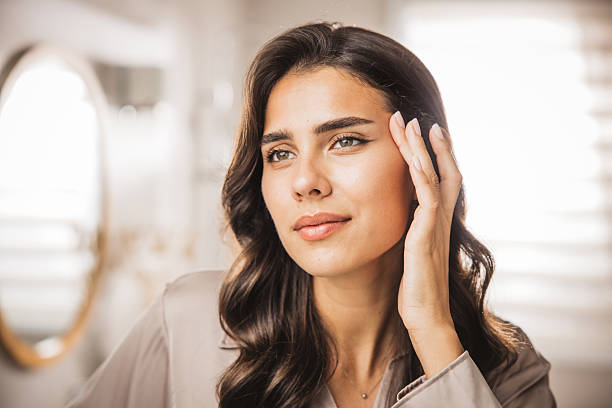
3. Could Your Skin Be Losing Some of Its Natural Elasticity?
Collagen is a structural protein that helps give skin support and firmness. Elastin contributes to its ability to stretch and return to its original shape.
As we age, the skin gradually produces less collagen, and its structure changes. Sun exposure, smoking, and other environmental factors can contribute to the breakdown of collagen and other components that support healthy-looking skin.
Around the eyes, these changes may contribute to fine lines, crepey texture, and a less firm appearance.
Although no skincare product can completely stop natural ageing, a consistent routine can help support the skin’s appearance. Daily sun protection, gentle cleansing, and regular moisturising are practical places to start.
The aim is not to eliminate every line. It is to care for your skin in a way that helps it look and feel its best over time.
4. Are You Protecting the Eye Area From Sun Exposure? discolouration
Sun protection is one of the most important parts of any skin-ageing routine, yet it is easy to overlook the area around the eyes.
Ultraviolet radiation contributes to premature skin ageing, including fine lines, uneven pigmentation, and changes in skin texture. Years of unprotected exposure can gradually become visible, even if you take good care of your skin in other ways.
Make broad-spectrum sunscreen part of your morning routine, following the product’s instructions and avoiding direct contact with your eyes. Sunglasses that provide UV protection and a wide-brimmed hat offer additional protection outdoors.
Consistency matters more than using an expensive product occasionally. Protecting your skin every day can help limit further sun-related damage.

5. Are Your Daily Habits Making Your Eyes Look More Tired?
Your skincare routine does not begin and end with the products you apply. Everyday habits can influence how refreshed the area around your eyes appears.
Insufficient sleep may make dark circles and puffiness more noticeable. Allergies can contribute to irritation and swelling, while rubbing the eyes can aggravate delicate skin.
Other useful habits include:
- Maintaining a regular sleep schedule.
- Drinking enough water throughout the day.
- Eating a balanced diet with a variety of nutrient-rich foods.
- Avoiding smoking and limiting excessive alcohol consumption.
- Taking regular breaks from prolonged screen use.
These changes will not erase genetic dark circles or established wrinkles, but they can support overall wellbeing and may help address some factors that contribute to a tired appearance.
If persistent puffiness accompanies itching, redness, or other symptoms, consider whether allergies or another underlying issue could be involved.
6. Are You Using Too Many Products Around Your Eyes?
When fine lines or dark circles become frustrating, it can be tempting to introduce several new products at once. Unfortunately, a complicated routine is not necessarily a better one.
The skin around the eyes can be sensitive. Strong exfoliants, fragranced products, or ingredients that do not suit your skin may cause irritation, dryness, and redness.
Start with a gentle cleanser, a suitable moisturiser, and daily sun protection. If you want to introduce a targeted eye product, add one product at a time so you can assess how your skin responds.
Apply products gently rather than rubbing or pulling the skin. Follow the label instructions, especially when using active ingredients, and discontinue products that cause persistent irritation.
A simple routine that you follow consistently is often more practical than a shelf full of products you rarely use.

7. Are You Choosing Skincare That Matches Your Main Concern?
Not every eye care product addresses the same issue. A product designed to hydrate dry skin may not significantly change pigmentation, while a formula intended to improve the appearance of fine lines may do little for puffiness caused by allergies.
Before choosing another product, identify what bothers you most.
For example:
- Dryness and fine lines: Look for moisturising ingredients that help maintain skin hydration.
- Uneven skin tone: Consider products formulated for the appearance of pigmentation while maintaining daily sun protection.
- Puffiness: Gentle cooling measures may provide temporary relief, depending on the cause.
- Loss of firmness: Focus on consistent skincare and realistic expectations about age-related changes.
Understanding the difference between these concerns helps you make more informed choices and avoid expecting one product to solve every problem.

8. Have You Considered Kollagen Intensiv as Part of Your Beauty Routine?
Once you have reviewed your daily habits and skincare products, you may want to explore targeted beauty products that complement your existing routine.
Kollagen Intensiv is a skincare product marketed around concerns associated with ageing skin, including the appearance of wrinkles and loss of youthful-looking firmness. It may appeal to people who want to pay particular attention to the delicate areas of the face as their skin changes over time.
When considering Kollagen Intensiv, look carefully at its ingredient list, intended use, and directions. Think about whether the formula suits your skin type and whether its stated benefits match your personal concerns.
It is also important to maintain realistic expectations. The effects of a topical skincare product depend on its formulation, the ingredients it contains, and how your skin responds. Claims about collagen-related benefits should be assessed carefully rather than assumed to mean that a cream can replace lost collagen within the skin.
Kollagen Intensiv is best considered as one possible component of a broader beauty routine, alongside hydration, sun protection, gentle skincare, and healthy lifestyle habits. It should not be viewed as a guaranteed solution for dark circles, puffiness, or established wrinkles.
The most useful approach is to choose products thoughtfully and give your routine time to show whether it suits your skin.

Give Your Eye Care Routine a Fresh Start
If your eyes look tired despite your efforts, you may not need to replace your entire skincare collection. Sometimes, the most helpful step is to identify what your current routine overlooks.
Check your hydration, review your sun protection, pay attention to sleep and allergies, and avoid overwhelming delicate skin with too many products. Consider your main concern before deciding whether a targeted product such as Kollagen Intensiv deserves a place in your routine.
Changes in the eye area are a normal part of ageing, and everyone’s skin responds differently to skincare. There is no need to expect perfection or chase every fine line.
Instead, focus on consistent care, informed product choices, and habits that support healthy-looking skin. With a routine that addresses your individual needs, you can take a more confident and realistic approach to caring for the delicate skin around your eyes.
Want more tips for younger-looking eyes? Subscribe for simple eye-care advice
delivered to your inbox.