

Do you ever look at your bathroom shelf and wonder how so many eye creams, serums, and beauty products became part of your daily routine? If you’re spending more money on eye care but still noticing dark circles, puffiness, fine lines, or a tired-looking appearance, it might be time to rethink your approach.
The truth is that an effective eye care routine doesn’t have to involve expensive products or a dozen different steps. As skin changes with age, understanding what your eyes actually need can help you make smarter beauty decisions, reduce unnecessary spending, and build a routine that’s easier to maintain.
From simplifying your skincare collection to exploring collagen-focused beauty options, here are seven practical ways to spend less on eye care without losing sight of healthy-looking skin.

1. Start by Identifying Your Main Eye Care Concerns
One of the easiest ways to waste money is buying products without knowing what you’re trying to address.
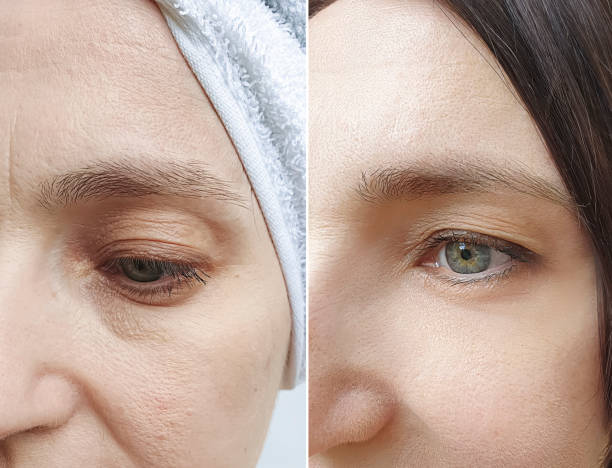
Dark circles, puffy eyes, fine lines, and under-eye dryness can have different causes. Dark circles may be influenced by genetics, pigmentation, visible blood vessels, or shadows created by facial structure. Puffiness can be associated with fluid retention, allergies, poor sleep, or natural changes that occur with age.
Fine lines, meanwhile, can become more noticeable as skin loses moisture and gradually changes in elasticity.
Before purchasing another product, identify your main concern. Are you trying to improve hydration, reduce the appearance of puffiness, or make fine lines less noticeable?
Focusing on one or two priorities makes it easier to choose suitable products rather than spending money on several items that promise similar results.
2. Build a Simple Routine Instead of Buying Everything
A complicated skincare routine can quickly become expensive. Different products may contain overlapping ingredients, making it difficult to determine which ones are genuinely useful for your skin.
A simpler approach can be just as practical.
Consider building your routine around these essentials:
- Gentle cleanser: Removes makeup, sunscreen, and everyday impurities without unnecessarily irritating the skin.
- Moisturiser: Helps maintain hydration and supports the skin’s protective barrier.
- Broad-spectrum sunscreen: Helps protect exposed skin from ultraviolet radiation, which contributes to premature skin aging.
- Targeted eye care: Choose an additional product only when it addresses a specific concern you want to manage.
You don’t necessarily need a separate cream for every part of your face. A well-formulated facial moisturiser may be suitable for the eye area if its instructions allow it and it doesn’t cause irritation.
The goal is to create a routine you can follow consistently, rather than continually adding products in the hope of faster results.

3. Look Beyond the Price Tag When Comparing Products
An expensive eye cream isn’t automatically more effective than a less costly alternative. Packaging, branding, fragrance, and marketing can influence prices without necessarily providing greater benefits for your particular concern.
Instead of comparing products by price alone, examine their ingredients, intended purpose, size, and cost per use.
For example, a smaller premium product might cost significantly more per application than a larger alternative designed to provide similar basic hydration.
However, cheaper isn’t always better either. A low-cost product that irritates your skin or remains unused in a drawer isn’t good value.
When comparing eye care products, ask yourself three questions:
- Does it address a concern I actually have?
- Can I understand what its ingredients are intended to do?
- Is the price reasonable for how often I’ll use it?
These simple checks can help you avoid impulse purchases and make more informed decisions about your beauty budget.
4. Understand How Collagen and Skin Aging Affect Your Eyes
Collagen is an important structural protein that helps give skin its firmness and support. As we age, the body produces less collagen, while existing collagen can also change over time.
These changes can contribute to differences in skin texture, firmness, and the appearance of fine lines. The delicate skin around the eyes may make these changes particularly noticeable.
Hydration also matters. When the skin becomes dry, fine lines can appear more prominent, even when the underlying issue isn’t simply a lack of collagen.
Lifestyle factors can influence how your skin looks, too. Sun exposure, smoking, inadequate sleep, and everyday environmental stressors can contribute to premature skin aging.
Understanding these factors helps put beauty spending into perspective. No single eye cream or collagen-focused product can reverse every aspect of aging, and products marketed around collagen don’t all work in the same way.
A sensible approach combines sun protection, moisturising, healthy habits, and carefully chosen products that suit your needs.

5. Make Better Use of the Products You Already Own
Before buying something new, take a closer look at what you already have.
Many people accumulate half-used serums, moisturisers, eye creams, and masks because a new product promises something better. Over time, this creates unnecessary expense and makes a daily routine more complicated.
Set aside a few minutes to review your collection.
Group similar products together, check their expiry dates, and identify which ones you use regularly. Keep the products that suit your skin and serve a clear purpose.
Avoid using several new products simultaneously, particularly around the sensitive eye area. Introducing products gradually makes it easier to identify potential irritation.
You can also keep a simple record of your purchases and how often you use each item. This can reveal which products provide practical value and which ones you tend to buy without really needing.
Sometimes, the most effective way to improve your routine is to stop adding to it.

6. Explore Collagen-Focused Beauty Options Carefully
If maintaining a youthful-looking complexion is one of your priorities, collagen-focused beauty products may be worth exploring as part of your broader skincare approach.
Kollagen Intensiv is one option that people interested in collagen and skin appearance may consider when reviewing their beauty routines.
Rather than treating any product as a complete solution, think about how it fits alongside your existing habits, skincare needs, and budget.
Before purchasing a collagen-focused product, review its ingredient information, intended use, directions, and available evidence supporting its advertised benefits. Consider whether the product addresses a realistic goal and whether its ongoing cost is manageable.
It’s also important to distinguish between products designed to moisturise the skin and those that claim to influence skin structure or appearance. Their ingredients, intended effects, and supporting evidence may differ.
Kollagen Intensiv shouldn’t be viewed as a guaranteed way to eliminate dark circles, remove under-eye wrinkles, or restore lost collagen. Results can vary, and the evidence for a particular benefit depends on the product’s formulation and how it is used.
For anyone trying to simplify eye care spending, the key question is whether a product offers a worthwhile addition to an already sensible routine, rather than whether its marketing promises dramatic changes.
7. Support Your Skin With Affordable Daily Habits
Some of the most useful steps for maintaining healthy-looking skin don’t require buying another beauty product.
Start by paying attention to your everyday habits. Consistent sleep can help reduce the tired appearance associated with insufficient rest, while managing allergies may help when they contribute to under-eye puffiness or irritation.
Staying adequately hydrated supports normal bodily functions, although drinking extra water won’t necessarily eliminate dark circles or wrinkles if other factors are responsible.
Sun protection is particularly important because ultraviolet exposure contributes to premature skin aging. Use a broad-spectrum sunscreen suitable for your skin, and consider sunglasses and a hat when spending time outdoors.
Other helpful habits include:
- Removing makeup gently before bed.
- Avoiding rubbing or pulling at the delicate eye area.
- Maintaining a balanced diet with a variety of nutrient-rich foods.
- Avoiding smoking, which contributes to skin aging.
- Keeping your skincare routine consistent instead of frequently changing products.
These habits won’t stop the natural aging process, but they can support overall skin health and reduce the temptation to spend money searching for a quick fix.
A Smarter Way to Approach Eye Care
Spending less on eye care doesn’t mean giving up on looking after your skin. It means understanding your concerns, choosing products carefully, and recognising that more steps don’t automatically produce better results.
By simplifying your routine, comparing ingredients and prices, making use of products you already own, and considering collagen-focused options realistically, you can build a beauty routine that fits both your needs and your budget.
Healthy-looking skin is supported by consistency, sensible product choices, sun protection, and everyday habits. Instead of chasing every new eye care trend, focus on what genuinely makes sense for you.
A simpler routine may be exactly what you need to feel more confident about your skincare choices while keeping unnecessary spending under control.
Stay informed about your eye care. Subscribe for more practical tips as your
eyes change with age.