

Do your eyes sometimes look tired even when you feel reasonably well-rested? Dark circles, puffiness, fine lines, and dull-looking skin around the eyes can make your entire face appear more fatigued than you actually feel. You might have tried different creams or beauty products, only to wonder why the results never seem to last.
The truth is that tired-looking eyes can have several causes, and not all of them are related to getting enough sleep. Changes in skin hydration, natural collagen loss, genetics, allergies, and everyday habits can all influence the appearance of the delicate skin surrounding your eyes.
The good news is that a few thoughtful adjustments to your daily routine may help your eye area look fresher, smoother, and more refreshed. Here are eight practical ideas worth trying if you want to care for tired-looking eyes and support healthier-looking skin as you age.

1. Make Quality Sleep a Priority
One of the simplest places to start is with your sleeping habits. Insufficient or disrupted sleep can contribute to a tired appearance, making dark circles and puffiness more noticeable.
When you’re not sleeping well, fluid may accumulate around your eyes, particularly after lying down for several hours. The result can be a swollen appearance that takes time to settle.
Aim for a consistent sleep schedule and create a relaxing bedtime routine. Keeping your bedroom comfortable, limiting late-night screen time, and allowing yourself enough time to rest may help.
If puffiness is a recurring concern, try sleeping with your head slightly elevated. This may help reduce overnight fluid accumulation around the eyes.
Skinception kollagen Intensiv Official Website:
2. Keep the Skin Around Your Eyes Hydrated
Dehydrated skin can make fine lines appear more prominent and leave the eye area looking less smooth. Because the skin around the eyes is naturally thin, changes in hydration can be particularly noticeable.
A gentle moisturiser designed for the eye area may help improve the appearance of dryness and soften the look of fine lines.
Look for ingredients such as:
- Hyaluronic acid: Helps attract and retain moisture in the skin.
- Glycerin: Helps draw water into the outer layers of the skin.
- Ceramides: Support the skin’s protective barrier and help reduce moisture loss.
Apply products gently rather than rubbing or pulling the skin. Consistent hydration can improve how the skin looks and feels, although moisturisers cannot eliminate every type of wrinkle or dark circle.

3. Understand How Collagen Affects Your Eye Area
Have you noticed that your skin doesn’t look quite as firm as it once did? Natural ageing may be part of the explanation.
Collagen is a structural protein that helps provide skin with support and firmness. As we age, collagen production gradually declines, and existing collagen structures change. Sun exposure and other environmental factors can also contribute to visible skin ageing.
Around the eyes, these changes may contribute to fine lines, reduced firmness, and a less smooth appearance. However, collagen loss isn’t the only factor involved. Genetics, facial structure, pigmentation, and changes in the tissues beneath the eyes can also influence how the area looks.
Understanding this process helps set realistic expectations. No single cream or supplement can reverse ageing completely, but a consistent skincare routine and healthy lifestyle can help support the overall appearance of your skin.
4. Use a Cool Compress to Refresh Puffy Eyes
When your eyes look swollen in the morning, a cool compress can be a simple way to refresh the area.
Cool temperatures may temporarily reduce swelling and soothe the skin. You don’t need an expensive beauty gadget to try this approach.
Use a clean, soft washcloth dampened with cool water and place it gently over your closed eyes for several minutes. Avoid applying ice directly to your skin, as extreme cold can cause irritation or injury.
A cool compress won’t permanently remove under-eye bags or treat every cause of puffiness, but it may help you look more refreshed before starting your day.
If swelling is persistent, painful, one-sided, or accompanied by changes in vision, seek medical advice rather than relying on home remedies.

5. Protect Your Skin From Everyday Sun Exposure
Sun exposure is one of the major environmental contributors to premature skin ageing. Ultraviolet radiation can damage collagen and elastin, contribute to pigmentation, and make fine lines more noticeable over time.
Because the eye area is delicate, sun protection deserves particular attention.
Consider making these habits part of your daily routine:
- Apply broad-spectrum SPF 30 or higher sunscreen to suitable areas around your eyes, following the product instructions.
- Wear sunglasses that provide UV protection.
- Use a wide-brimmed hat when spending extended periods outdoors.
- Reapply sunscreen as directed, especially after swimming or sweating.
Choose products that are suitable for use around the eyes, and avoid getting sunscreen directly into them.
Sun protection won’t erase existing lines, but it can help limit further UV-related skin damage and support healthier-looking skin over time.
6. Review Your Everyday Lifestyle Habits
Your skincare routine is only one part of the picture. Everyday habits can influence how rested and refreshed your eyes appear.
For example, dehydration may make skin look less plump, while allergies can cause itching, rubbing, and under-eye puffiness. Smoking and excessive UV exposure can also contribute to premature skin ageing.
Try to build a routine around balanced meals, regular physical activity, adequate fluids, and sufficient sleep.
If you frequently experience itchy or watery eyes, consider whether allergies or environmental irritants could be contributing. Avoid rubbing your eyes, as repeated friction can irritate the delicate surrounding skin.
Small, sustainable changes are generally more useful than trying to overhaul every part of your lifestyle at once.

7. Choose Skincare Ingredients That Match Your Concerns
Not every eye cream addresses the same concern. Choosing products based on what you want to improve can help you create a more practical routine.
For dryness and dehydration, moisturising ingredients may be particularly useful. For uneven pigmentation, certain carefully formulated skincare ingredients may help improve the appearance of discolouration over time. Retinoids may help with fine lines, but they can irritate sensitive skin and should be introduced cautiously.
It’s also worth remembering that dark circles have different causes. Some are related to pigmentation, others to visible blood vessels, shadows, or the natural shape of the under-eye area. A topical product may help one cause more than another.
Introduce new products gradually, follow their instructions, and stop using anything that causes persistent irritation. If you’re unsure which ingredients are suitable for you, a dermatologist can help you choose an appropriate approach.
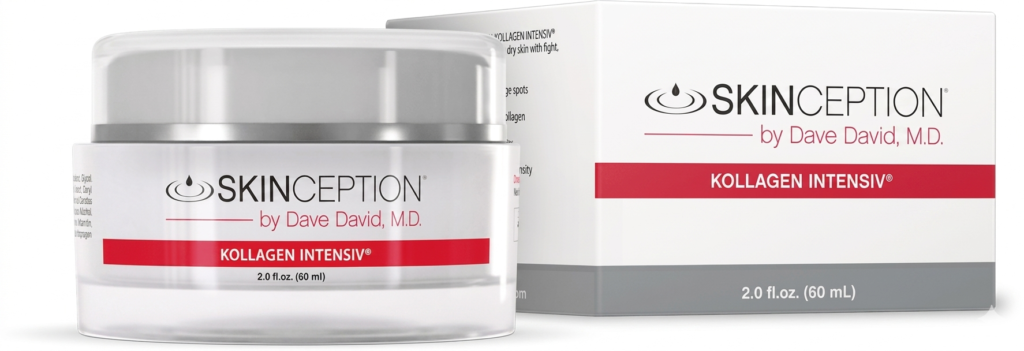
8. Consider Kollagen Intensiv as Part of Your Beauty Routine
Alongside good skincare and healthy daily habits, some people explore beauty supplements as another part of their approach to ageing skin.
Kollagen Intensiv is an option to consider if your broader goal is to support your skin-focused beauty routine. Its relevance will depend on its specific ingredients, formulation, and directions for use, so it’s important to review the product information rather than assume that every collagen-related product works in the same way.
Collagen supplements have been studied for potential effects on skin hydration and elasticity, with some research suggesting modest improvements in certain measures. However, the evidence varies, and results are not guaranteed. Research on collagen supplements generally cannot establish that a particular product will eliminate dark circles, reduce eye bags, or remove under-eye wrinkles.
If you’re considering Kollagen Intensiv, think of it as a possible addition to a broader routine rather than a replacement for moisturising, sun protection, balanced nutrition, or adequate sleep.
Check the ingredients and recommended use carefully, and consider speaking with a healthcare professional if you have allergies, take medication, are pregnant or breastfeeding, or have concerns about whether a supplement is suitable for you.
A realistic approach focuses on supporting the overall appearance of your skin instead of expecting one product to solve every concern around your eyes.
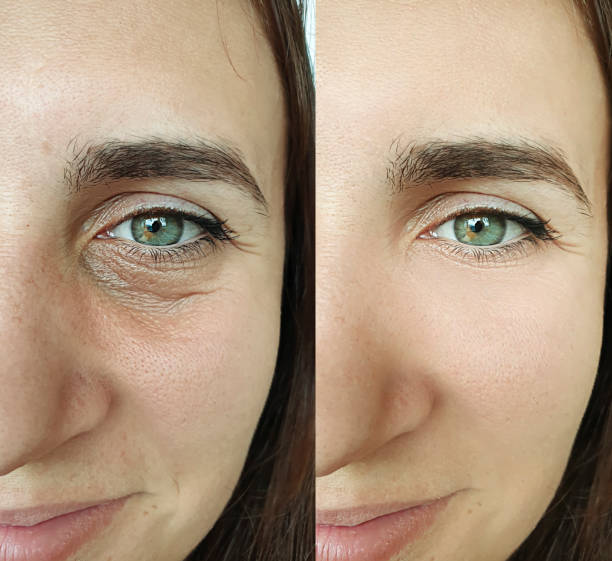
A Fresher-Looking Eye Area Starts With Consistency
Caring for tired-looking eyes doesn’t have to involve a complicated collection of products. Better sleep, regular hydration, gentle skincare, sun protection, and a few simple morning habits can all contribute to a fresher appearance.
It’s equally important to understand that dark circles, puffiness, and fine lines have different causes. What works well for dry skin may do little for genetically influenced dark circles or naturally prominent under-eye bags.
Start with the changes most relevant to your concerns and give your routine time to work. If you choose to explore Kollagen Intensiv, consider it within the context of your overall beauty habits and keep your expectations realistic.
Healthy-looking skin is rarely the result of one quick fix. With consistent care and a better understanding of what your skin needs, you can make thoughtful choices that help your eye area look its best at every stage of life.
Want more tips for younger-looking eyes? Subscribe for simple eye-care advice
delivered to your inbox.