Why this delicate area can look tired, creased, or older so easily—and the everyday skincare choices that may help it look smoother, fresher, and better cared for.

The skin beneath your eyes can seem to reveal everything.
A late night, dry weather, too much rubbing, or simply the passage of time can make this delicate area appear more noticeable than the rest of your face. Fine lines may stand out more. Shadows can look deeper. Makeup that once applied smoothly may suddenly settle into tiny creases.
One reason is simple: under-eye skin is naturally delicate, which means the way you care for it matters.
But caring for thin-looking under-eye skin is not about piling on more products or chasing every new beauty trend. Often, it is about understanding what this fragile area needs—and avoiding small habits that can unintentionally make dryness, texture, and visible signs of ageing appear more obvious.
Here is what to focus on.
Why Does Under-Eye Skin Look So Thin?
The eye area has naturally delicate skin compared with many other parts of the face. Because there is less visual “padding” in this area, changes in texture, hydration, and underlying shadows can become particularly noticeable.
This helps explain why the under-eyes are often one of the first places where people notice fine lines or a less rested appearance.
Age can make these changes more apparent as the skin gradually loses some of the qualities associated with a smooth, firm, youthful-looking appearance.
That does not mean aggressive skincare is the answer.
In fact, because the area is so delicate, a gentler and more consistent approach often makes more sense.

1. Treat Your Under-Eyes More Gently Than the Rest of Your Face
Think about how often you touch your eye area without noticing.
Removing mascara, wiping away makeup, rubbing tired eyes, pulling at the skin while applying eyeliner—these small actions can add up.
Instead of scrubbing, use gentle motions when cleansing and removing makeup. Allow your cleanser or makeup remover time to loosen stubborn products rather than relying on repeated friction.
When applying skincare, use light pressure rather than dragging the skin.
The goal is not to be afraid of touching your under-eyes. It is simply to remember that more pressure does not make skincare work better.

2. Pay Attention to Hydration Before Blaming Every Fine Line on Aging
One of the easiest mistakes is assuming every visible under-eye line is purely an age-related wrinkle.
Dryness and dehydration can make existing texture look much more pronounced.
When the surface of the skin lacks moisture, tiny lines may appear sharper and makeup may settle into them more noticeably. The area can also lose some of the fresh, supple appearance people associate with well-cared-for skin.
A consistent moisturising routine can help support a softer, smoother-looking surface.
The key word is consistent.
Applying a large amount of skincare occasionally is usually less useful than maintaining a simple routine you can comfortably follow every day.
3. Be Careful With Strong Products Near Your Eyes
A product that works perfectly on your forehead or cheeks may not feel comfortable beneath your eyes.
The temptation to attack visible ageing with multiple strong products at once can sometimes create a new problem: dryness and irritation that make the area look even more noticeable.
Introduce new skincare thoughtfully, follow product directions, and avoid applying formulas too close to the eyes unless they are intended for that area.
If something repeatedly causes burning, stinging, excessive dryness, or irritation, do not assume discomfort means it is “working harder”.
Healthy-looking skin should not require constantly battling irritation.
4. Make Daily Sun Protection Part of Your Eye-Area Strategy
If your goal is to maintain a more youthful-looking eye area, sun protection deserves a permanent place in your routine.
Repeated UV exposure contributes to visible changes associated with premature skin ageing, including changes in texture and the appearance of fine lines.
Use an appropriate broad-spectrum sunscreen as directed, and consider sunglasses and shade when spending time outdoors.
Sunglasses can provide another practical advantage: they may reduce how often you find yourself squinting in bright conditions.
Sun protection may not deliver the instant visual gratification of a new beauty product, but over time it is one of the most sensible habits for anyone concerned about maintaining the appearance of their skin.
5. Look at Your Makeup Routine as Well as Your Skincare
Sometimes the under-eye problem is not only the skin—it is how products are sitting on top of it.
Heavy layers of concealer and powder can emphasise texture, particularly when the area is dry. Adding more coverage to hide lines or shadows can occasionally make them more obvious instead.
Try preparing the area with appropriate hydration and applying makeup in thinner layers.
Give skincare time to settle before applying concealer, and pay attention to whether certain formulas leave the area looking smoother or more textured after several hours.
The best under-eye routine should work with your skin rather than forcing it to look completely texture-free.
6. Build a Routine Around Support, Not Quick Fixes
Thin-looking under-eye skin can make people especially vulnerable to dramatic beauty promises.
But visible skin ageing is complex, and no topical product can realistically erase every line, shadow, or age-related change overnight.
A more useful approach is to think in terms of supporting the appearance and condition of your skin.
Gentle cleansing, regular moisturisation, thoughtful product choices, sun protection, and consistency may sound less exciting than a miracle solution—but these habits create a much stronger foundation for your skincare routine.

Where Does Targeted Anti-Ageing Skincare Fit In?
Once the basics are in place, you may decide you want to explore a skincare product specifically positioned towards the visible signs of ageing.
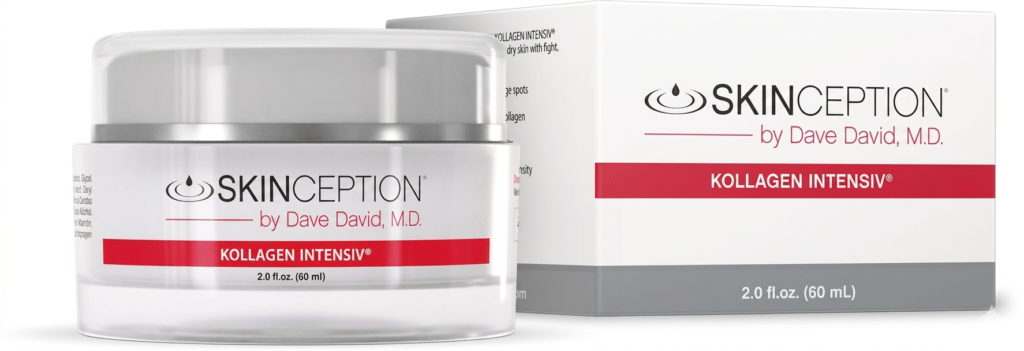
This is where a product such as Kollagen Intensiv may become relevant to your research.
Rather than viewing any anti-ageing cream as a substitute for good daily habits, it makes more sense to consider how it could fit into a broader skincare routine.
If your main concerns include the appearance of fine lines, wrinkles, or skin that no longer looks as smooth and youthful as you would like, you may want to investigate what Kollagen Intensiv is designed for, how the manufacturer recommends using it, and whether it aligns with your personal skincare goals.
It is also worth remembering that the under-eye area requires extra care. Before applying any skincare product close to the eyes, always check the product’s directions and intended application area.
The goal is not to use as many anti-ageing products as possible.
It is to build a routine that is gentle enough to maintain consistently and targeted enough to address the visible concerns that matter most to you.

The Bottom Line
Caring for thin under-eye skin starts with respecting how delicate this area really is.
Gentler cleansing, less rubbing, consistent hydration, sensible sun protection, careful makeup application, and thoughtful product choices can all play a role in helping the eye area look better cared for.
Most importantly, do not judge your routine by whether it creates an overnight transformation.
Judge it by whether it supports the appearance of your skin consistently over time.
If visible fine lines, wrinkles, and other signs of ageing remain among your biggest skincare concerns, the next logical step may be to explore targeted options more closely.
Curious whether Kollagen Intensiv could have a place in your anti-ageing skincare routine? Learn more about the product and how it is intended to be used, and decide for yourself whether it fits what you are looking for.
⭐⭐⭐⭐⭐Kollagen Intensiv™ 74 reviews