

Have you ever looked in the mirror after a full night’s sleep and wondered why your eyes still look tired? Dark circles, puffiness, fine lines, and dry skin around the eyes can make your face appear older or less refreshed than you feel. The frustrating part is that even when you follow a regular skincare routine, this delicate area can still need extra attention.
The skin under your eyes is thinner and more delicate than the skin on many other parts of your face. It can show signs of dehydration, environmental damage, and natural ageing more noticeably. Fortunately, a few simple daily habits can help you care for this area and support a smoother, healthier-looking appearance.
The secret isn’t necessarily adding dozens of expensive products to your bathroom shelf. Instead, it’s understanding what the skin around your eyes needs and building a consistent routine that supports its natural condition.

Why Does the Skin Under Your Eyes Need Special Care?
The under-eye area has relatively thin skin, making blood vessels, changes in pigmentation, and underlying facial structures more visible. This is one reason dark circles can appear even when you’re getting enough sleep.
As we age, our bodies naturally produce less collagen. Collagen is a structural protein that helps support the skin’s firmness and resilience. Over time, changes in collagen, elastin, and the skin’s natural moisture barrier can contribute to fine lines and a less supple appearance.
Several other factors can influence how your under-eye area looks, including:
- Dehydration: Skin may look less plump and make fine lines more noticeable.
- Poor sleep: Tiredness can contribute to a dull appearance and more noticeable puffiness.
- Sun exposure: Ultraviolet radiation contributes to premature skin ageing and uneven pigmentation.
- Allergies: Irritation and rubbing around the eyes can worsen puffiness and discolouration.
- Genetics: Some people naturally have darker under-eye areas or deeper tear troughs.
Understanding these factors makes it easier to choose habits that support your skin rather than relying on quick fixes.
Skinception kollagen Intensiv Official Website:
1. Cleanse Gently Around Your Eyes
One of the simplest ways to care for the skin under your eyes is to avoid unnecessary irritation.
Harsh cleansers, vigorous rubbing, and rough makeup removal can leave this delicate area feeling dry or uncomfortable. Over time, repeated friction may contribute to irritation and make existing fine lines more noticeable.
Choose a gentle facial cleanser suitable for your skin type. When removing eye makeup, use a product designed for the eye area and allow it to dissolve the makeup before wiping it away carefully.
Avoid pulling or stretching the skin. Gentle movements are especially important when removing waterproof mascara or long-wearing concealer.
A softer cleansing routine helps preserve the skin’s natural moisture barrier and creates a better foundation for the rest of your skincare habits.

2. Keep the Under-Eye Area Hydrated
Hydration is essential for maintaining skin that looks smooth and supple.
When the skin becomes dehydrated, fine lines can appear more pronounced. Although moisturisers cannot eliminate wrinkles, they can help reduce moisture loss and temporarily make the skin look plumper.
Look for a gentle eye cream or facial moisturiser containing ingredients such as:
- Hyaluronic acid: Helps attract and retain moisture in the skin.
- Glycerin: A humectant that draws water into the outer layers of the skin.
- Ceramides: Help support the skin’s protective moisture barrier.
Apply a small amount using your ring finger, gently patting the product around the orbital bone without getting it into your eyes.
Consistency matters more than using large quantities. A comfortable, well-hydrated under-eye area may look fresher and feel softer throughout the day.
3. Make Sun Protection a Daily Habit
Sun protection is one of the most important steps in a long-term skincare routine, especially when your goal is to maintain a youthful-looking complexion.
Ultraviolet exposure contributes to collagen breakdown, changes in skin texture, and pigmentation. Because the skin around your eyes is delicate, protecting it can help reduce the visible effects of premature ageing.
Apply a broad-spectrum SPF 30 or higher sunscreen every morning, following the product’s directions and avoiding direct contact with your eyes. Reapply as recommended, particularly after sweating or spending extended periods outdoors.
Sunglasses that provide UV protection and a wide-brimmed hat offer additional protection.
These small habits won’t stop natural ageing, but they can help limit avoidable sun-related damage over time.

4. Prioritise Sleep and a Consistent Routine
Late nights and irregular sleep patterns can affect how refreshed your eyes appear the following morning.
Although sleep requirements vary, most adults need around seven to nine hours each night. Getting sufficient, consistent sleep supports general wellbeing and may help reduce the tired appearance associated with sleep deprivation.
If morning puffiness is a concern, try keeping your head slightly elevated while sleeping. This may help limit fluid accumulation around the eyes for some people.
A cool compress applied gently for several minutes can also temporarily ease puffiness.
Remember that persistent dark circles aren’t always caused by a lack of sleep. Genetics, pigmentation, allergies, and facial anatomy can all play a role, so realistic expectations are important.
5. Eat for Healthy-Looking Skin
Your skin depends on a variety of nutrients to maintain its normal structure and function. A balanced diet can support overall skin health, although no single food can erase under-eye wrinkles or completely eliminate dark circles.
Protein provides amino acids that the body uses to build proteins, including collagen. Vitamin C is also necessary for normal collagen production.
Try including a variety of nutrient-rich foods in your daily meals, such as:
- Eggs, fish, beans, and lentils for protein.
- Citrus fruits, berries, and capsicum for vitamin C.
- Nuts and seeds for healthy fats and other nutrients.
- Colourful vegetables for a range of vitamins and antioxidants.
Drinking enough water throughout the day is equally important for general health. If you are dehydrated, correcting that can help, but drinking extra water beyond your needs won’t necessarily remove persistent eye bags or wrinkles.
Think of nutrition as part of a bigger picture rather than a standalone beauty treatment.

6. Avoid Rubbing and Tugging at Your Eyes
Rubbing your eyes might feel satisfying when they’re itchy or tired, but repeated friction can irritate the delicate skin surrounding them.
This is particularly relevant for people who experience seasonal allergies, dry eyes, or sensitivity to cosmetics.
If your eyes frequently itch or water, consider whether an allergy or irritating skincare product could be contributing. Avoid applying strong active ingredients close to the eyes unless the product is specifically suitable for that area.
When applying eye cream, pat gently rather than dragging the skin. Remove makeup carefully, and give your skin time to settle if a new product causes redness, stinging, or discomfort.
If puffiness or discolouration persists, worsens suddenly, or affects only one eye, seek appropriate medical advice rather than assuming it is simply a sign of ageing.
7. Consider Collagen Support as Part of Your Beauty Routine
As collagen production naturally declines with age, many people look for additional ways to support their skin’s appearance. This is where it helps to separate realistic skincare expectations from exaggerated promises.
Topical moisturisers can improve hydration and temporarily soften the appearance of fine lines. Collagen-containing skincare products may help moisturise the skin, but collagen molecules generally do not penetrate deeply enough to replace the body’s structural collagen.
Oral collagen supplements are another option some people explore. Research suggests that certain hydrolysed collagen supplements may offer modest improvements in skin hydration or elasticity for some individuals, although study results vary and further high-quality research is needed.
Importantly, collagen supplements are not proven to eliminate dark circles, remove under-eye bags, or reverse the natural ageing process. Results, where they occur, may differ between individuals.
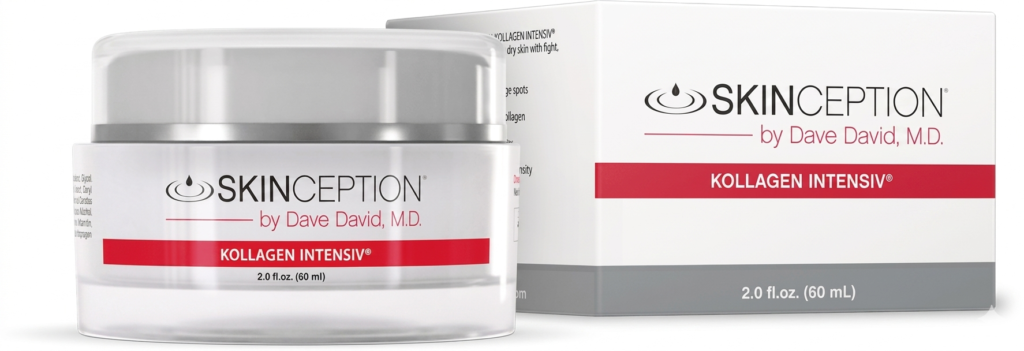
Where Does Kollagen Intensiv Fit In?
Kollagen Intensiv is an option that people interested in collagen-focused beauty routines may wish to consider as part of their broader approach to skin care.
When evaluating any collagen-related product, it’s worth looking carefully at its ingredient list, intended use, directions, and available evidence. The specific formulation matters, and benefits should not be assumed without appropriate supporting research.
It is also important to understand what a product is designed to do. A collagen-focused beauty product should not automatically be treated as a targeted solution for dark circles, puffiness, or under-eye wrinkles.
If you decide to incorporate Kollagen Intensiv into your routine, consider it alongside established daily habits such as gentle cleansing, adequate hydration, sun protection, balanced nutrition, and sufficient sleep.
A thoughtful approach focuses on supporting your skin’s overall condition rather than expecting one product to solve every concern.

Small Daily Habits Can Make a Difference
Caring for the skin under your eyes doesn’t need to be complicated. Gentle cleansing, regular moisturising, daily sun protection, good sleep, balanced nutrition, and avoiding unnecessary friction all contribute to a sensible skincare routine.
Natural ageing, genetics, and facial anatomy will continue to influence how your under-eye area looks, so perfection isn’t a realistic goal. However, understanding your skin and caring for it consistently can help you make informed choices about what works for you.
Start with a few manageable changes, give your routine time, and pay attention to how your skin responds. Healthy-looking skin is rarely the result of one dramatic intervention. More often, it reflects the small, thoughtful decisions you make every day.
Want to learn more about caring for ageing eyes? Subscribe for our latest tips
and advice.