

Have you ever looked in the mirror and wondered why your eyes seem more tired than you actually feel? Dark circles, puffiness, fine lines, and crepey-looking skin can gradually become more noticeable, even when you are getting enough sleep and following a skincare routine.
The skin around your eyes is particularly delicate, making it one of the first areas where signs of ageing may appear. Over time, natural collagen loss, reduced elasticity, dehydration, sun exposure, and everyday lifestyle habits can all influence how this area looks.
The good news is that caring for ageing skin around your eyes does not have to involve an expensive collection of beauty products. Small, consistent daily habits can help support healthier-looking skin and a fresher appearance.
Here are seven simple ways to care for the delicate eye area, along with an explanation of how collagen and overall skincare can fit into your routine.

1. Keep the Skin Around Your Eyes Hydrated
One of the simplest ways to improve the appearance of tired-looking eyes is to maintain adequate skin hydration.
The skin around the eyes is thinner than much of the skin on the face. When it becomes dry, fine lines can appear more noticeable, and the surface may look less smooth.
A gentle moisturiser formulated for the eye area can help reduce moisture loss and leave the skin feeling softer. Ingredients such as hyaluronic acid, glycerin, and ceramides can help attract or retain moisture and support the skin’s protective barrier.
Apply your moisturiser gently using your ring finger, avoiding rubbing or pulling at the skin.
Remember that hydration does not permanently remove wrinkles, but keeping the skin moisturised can temporarily soften the appearance of some fine lines and improve overall skin comfort.
Skinception kollagen intensiv Official Website:
2. Make Sun Protection a Daily Priority
Sun exposure is one of the most important environmental contributors to premature skin ageing.
Ultraviolet radiation can damage collagen and elastin, the proteins that help skin maintain its structure and flexibility. Over time, repeated exposure can contribute to fine lines, uneven pigmentation, and a less firm appearance.
The eye area is often overlooked when applying sunscreen, even though it is regularly exposed to sunlight.
Make sun protection part of your morning routine by:
- Applying broad-spectrum SPF 30 or higher sunscreen suitable for the face.
- Wearing sunglasses that provide UV protection.
- Using a wide-brimmed hat when spending time outdoors.
- Reapplying sunscreen according to the product instructions.
Take care when applying sunscreen close to the eyes to avoid irritation. Consistent sun protection helps preserve skin health and is one of the most practical steps you can take to slow visible signs of premature ageing.

3. Prioritise Consistent, Quality Sleep
Have you noticed that your eyes look different after a poor night’s sleep?
Sleep can influence the appearance of the skin around your eyes. Insufficient rest may make dark circles, puffiness, and a tired appearance more noticeable.
Aim for a regular sleep schedule and enough rest to feel refreshed. Many adults benefit from around seven to nine hours of sleep each night, although individual needs vary.
A few habits can make a difference:
- Keep your bedtime and waking time reasonably consistent.
- Reduce bright screens close to bedtime.
- Limit late-day caffeine if it affects your sleep.
- Create a comfortable, quiet sleeping environment.
Sleeping with your head slightly elevated may also help some people who experience temporary morning puffiness.
However, dark circles are not always caused by poor sleep. Genetics, pigmentation, allergies, and the natural structure of the face can all contribute. Improving sleep can support a healthier appearance without necessarily eliminating every concern around the eyes.

4. Be Gentle When Cleansing and Removing Makeup
Daily cleansing is important, but the way you treat the eye area matters just as much.
Repeated rubbing, pulling, or scrubbing can irritate delicate skin and may contribute to inflammation. This is especially relevant when removing waterproof mascara, eyeliner, or other long-wearing makeup.
Choose a gentle cleanser or suitable makeup remover. Allow it to loosen makeup before wiping it away carefully rather than dragging the skin.
Avoid harsh exfoliants close to the eyes unless a product is specifically appropriate for that area. If you use active skincare ingredients such as retinoids, introduce them cautiously and follow product directions, as the eye area can be particularly sensitive.
A simple routine that protects the skin barrier is often more useful than constantly switching between products.
5. Support Collagen Through Healthy Daily Nutrition
Collagen plays an important role in maintaining the skin’s structure. It is a protein that helps provide firmness and support, while elastin contributes to flexibility.
As we age, the body’s collagen production changes, and existing collagen can gradually break down. These natural processes can contribute to fine lines, reduced elasticity, and changes in skin texture.
Although no single food can prevent skin ageing, a balanced diet provides nutrients that support normal skin function.
Include a variety of foods such as:
- Protein sources, including eggs, fish, beans, and lean meats.
- Vitamin C-rich foods, such as berries, citrus fruits, capsicum, and broccoli.
- Vegetables and fruits that provide a range of vitamins and antioxidants.
- Healthy fats from foods such as nuts, seeds, and oily fish.
Vitamin C is particularly important because the body needs it to produce collagen.
Eating well, staying hydrated, and avoiding smoking can support overall skin health. These habits will not stop the natural ageing process, but they can help create a strong foundation for a consistent beauty routine.

6. Reduce the Factors That Contribute to Puffiness and Dark Circles
Puffy eyes can be frustrating, especially when they make you look tired despite feeling perfectly fine.
Temporary puffiness may be associated with fluid retention, allergies, sleep patterns, or irritation. Dark circles can have several causes, including pigmentation, visible blood vessels, genetics, and shadows created by changes in the skin and underlying facial structure.
Understanding the likely cause is important because different concerns may respond to different approaches.
For temporary morning puffiness, try placing a clean, cool compress over closed eyes for several minutes. Avoid applying ice directly to the skin.
If allergies contribute to itching or swelling, managing the underlying allergy may be more effective than relying on eye creams alone. Avoid rubbing your eyes, as this can worsen irritation.
Reducing excessive salt intake may also help some people who experience fluid-related puffiness.
If swelling is persistent, painful, sudden, or affects only one eye, seek appropriate medical advice rather than assuming it is simply a sign of ageing.
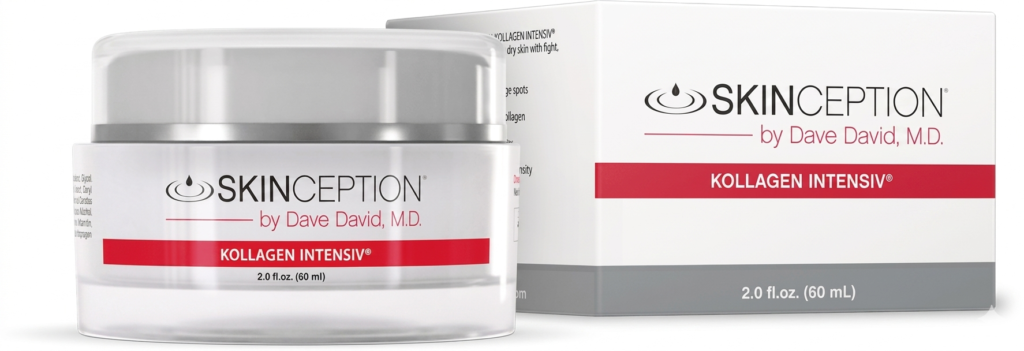
7. Consider a Consistent Beauty Routine That Includes Kollagen Intensiv
Once the basics are in place, you may want to consider additional options that complement your everyday skincare habits.
Kollagen Intensiv is a beauty product that may appeal to people looking to make collagen-related skincare part of their personal routine. It can be considered alongside practical habits such as moisturising, sun protection, balanced nutrition, and adequate sleep.
When choosing any beauty product, it is important to have realistic expectations. Results depend on the formulation, how the product is used, individual skin characteristics, and other factors.
Collagen-related products are not interchangeable. A topical product and an oral collagen supplement work differently, and evidence for one formulation cannot automatically be applied to another.
For this reason, review the specific ingredients, directions, and available evidence for Kollagen Intensiv before deciding whether it suits your needs. Avoid expecting any product to erase wrinkles, permanently eliminate dark circles, or guarantee a younger appearance.
The most useful approach is to view a beauty product as one possible part of a broader routine rather than a replacement for proven skincare practices.
Consistency also matters. Give your routine time, pay attention to how your skin responds, and avoid introducing too many new products at once.
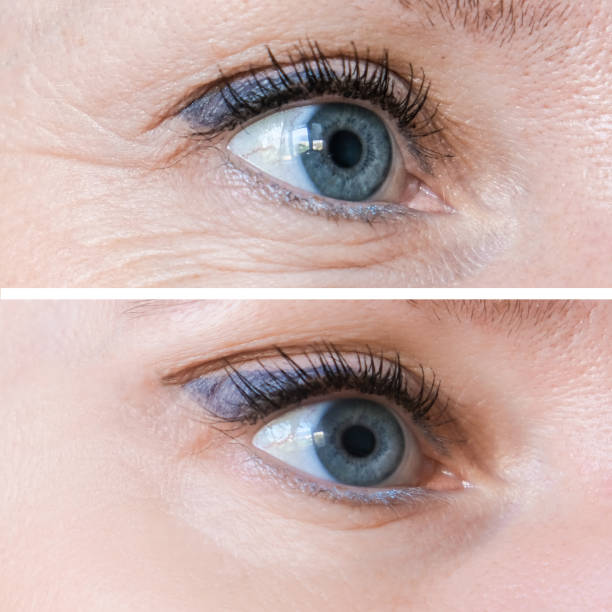
A Simple Approach to Healthier-Looking Eyes
Caring for ageing skin around your eyes does not require perfection or a complicated beauty regimen. Daily sun protection, gentle cleansing, adequate hydration, quality sleep, balanced nutrition, and careful management of puffiness can all contribute to healthier-looking skin.
Collagen loss and changes in elasticity are natural parts of ageing, but your everyday habits can influence how well you care for your skin over time.
If you choose to include a product such as Kollagen Intensiv in your beauty routine, approach it with realistic expectations and consider how it fits alongside your existing habits.
Ultimately, the goal is not to eliminate every fine line or look exactly as you did years ago. It is to give the delicate skin around your eyes consistent care, support its natural condition, and help you look as refreshed and healthy as possible at every stage of life.
Keep discovering better ways to care for your eyes. Subscribe for more helpful
advice.