The connection between collagen and the delicate eye area may explain why some signs of ageing seem to appear sooner than expected.

The skin around the eyes is often one of the first places where people notice visible changes. Fine lines, a loss of firmness, and a more tired appearance can gradually develop even when the rest of the face still looks relatively youthful. While lifestyle habits, genetics, and environmental factors all play a role, collagen is another important piece of the puzzle that many women want to understand.
Collagen is frequently discussed in beauty conversations, but it’s not always clear how it relates specifically to the eye area. Understanding what collagen does—and how it changes over time—can help explain why the skin may begin to look different with age. More importantly, it allows you to make informed choices about caring for one of the most delicate areas of your face.
Why Collagen Matters For The Eye Area
Collagen is one of the structural proteins that helps support the skin. Along with elastin and other natural components, it contributes to the skin’s strength, texture, and overall appearance.
The skin beneath the eyes is naturally thinner than skin on many other parts of the face. Because it has less natural cushioning, even small changes in skin structure can become more noticeable. This is one reason the eye area often reveals visible signs of ageing before other areas.
As collagen levels gradually change with age, the skin may appear less firm or smooth than it once did.

Collagen Naturally Changes Over Time
A gradual reduction in collagen is a normal part of the ageing process. This doesn’t happen overnight, but over the years the skin’s support structure slowly changes.
While everyone ages differently, these gradual changes can contribute to:
Fine Lines Becoming More Noticeable
Skin that once appeared smooth may begin to develop expression lines that linger longer after smiling or squinting.
A Less Firm Appearance
Some women notice that the skin around the eyes doesn’t appear as resilient as it did in earlier years.
A Tired-Looking Eye Area
Even after a full night’s sleep, changes in skin texture and firmness may contribute to an appearance that looks less refreshed.
These changes are completely normal, but understanding why they occur helps put them into perspective.

Daily Habits Can Influence Skin Appearance
Although ageing is inevitable, everyday habits can influence how healthy and vibrant the skin appears.
Sun Exposure
Ultraviolet (UV) radiation is one of the biggest external factors affecting skin over time. Daily sun protection may help support healthier-looking skin and reduce unnecessary environmental stress.
Sleep Quality
Adequate sleep gives the body time to carry out many natural repair processes. Consistently poor sleep may leave the eye area looking less refreshed.

Hydration
Well-hydrated skin often appears smoother and more comfortable. While hydration alone doesn’t replace collagen, it supports the skin’s overall appearance.
Nutrition
Eating a balanced diet that includes adequate protein, fruits, vegetables, and healthy fats provides nutrients the body uses for normal skin function.
Gentle Skin Care
The eye area benefits from products designed for delicate skin and from avoiding unnecessary rubbing or harsh cleansing routines.

Why the Eye Area Often Shows Ageing First
Many women wonder why their eyes seem to change before other parts of the face.
Several factors contribute:
- The skin is naturally thinner.
- The muscles around the eyes move constantly during facial expressions.
- Blinking occurs thousands of times each day.
- Sun exposure accumulates over many years.
- The area contains less natural oil than other parts of the face.
Together, these factors mean that even subtle structural changes may become visible sooner around the eyes.

Looking After Ageing Skin Holistically
Because multiple factors contribute to visible skin ageing, there is rarely a single solution that addresses every concern.
A consistent skincare routine, sun protection, good sleep habits, hydration, and healthy lifestyle choices all work together to support skin that looks healthier over time. Patience is equally important, as visible improvements in skin appearance generally come from maintaining good habits consistently rather than expecting immediate results.
For women interested in skincare products designed specifically for mature-looking skin, it can also be worthwhile to explore options formulated for the delicate eye area. Reading about how different products are intended to fit into an overall skincare routine can help you make a more informed decision.
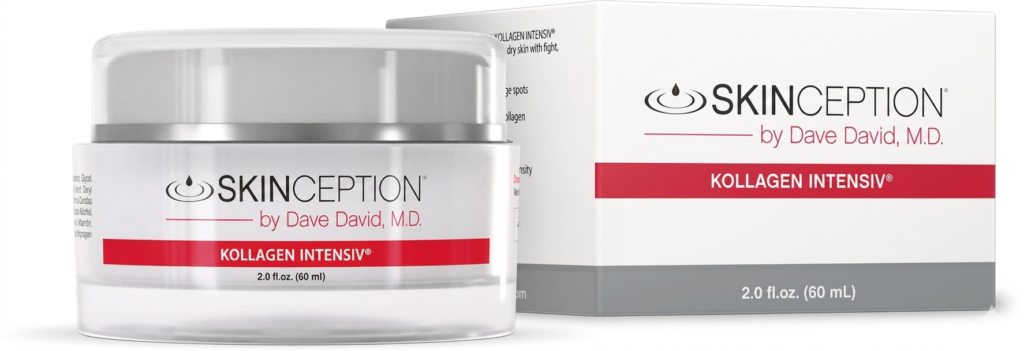
One product many readers choose to learn more about is Kollagen Intensiv. It is designed for people who are concerned about the visible appearance of ageing skin, including common concerns around the eye area. Rather than expecting any single product to transform skin overnight, it’s often more realistic to view skincare as one part of a broader routine that includes healthy daily habits and consistent care.

Final Thoughts
Collagen plays an important role in supporting the skin’s structure, which helps explain why changes around the eyes often become more noticeable over time. While ageing is a natural process, understanding the factors involved allows you to make thoughtful choices about how you care for your skin.
Simple habits like protecting your skin from the sun, maintaining a consistent skincare routine, staying hydrated, and looking after your overall health can all contribute to skin that appears healthier and more refreshed.
If you’re interested in learning about skincare products created for visible signs of skin ageing around the eye area, discovering more about Kollagen Intensiv may be a worthwhile next step. Understanding how it fits within a balanced skincare routine can help you decide whether it’s appropriate for your own skincare goals.
⭐⭐⭐⭐⭐ Kollagen Intensiv™ 74 reviews