

Have you ever looked in the mirror and wondered why your eyes still look tired, even after a good night’s sleep? Perhaps you’ve noticed darker circles beneath your eyes, puffiness that seems difficult to manage, or fine lines that appear more noticeable than they used to be.
You’re not alone. The delicate skin around the eyes is often one of the first areas to show visible signs of ageing. And while you might already use a moisturiser or eye cream, your daily habits could be making a bigger difference than you realise.
The good news is that an effective eye care routine doesn’t need to be complicated. Small, consistent changes can help support healthier-looking skin, improve hydration, and make the eye area appear fresher.
Here are seven essential eye care steps worth incorporating into your daily routine, along with a closer look at why collagen, hydration, and overall skin health matter.

1. Start With Gentle Cleansing
One of the most overlooked parts of an eye care routine is how you clean the delicate skin surrounding your eyes.
Makeup, sunscreen, excess oil, and everyday environmental debris can accumulate throughout the day. Removing these gently helps keep the skin clean without unnecessarily irritating the area.
Choose a mild cleanser suitable for your skin type. Avoid scrubbing, pulling, or rubbing your eyes aggressively, especially when removing mascara or other eye makeup.
Instead, use gentle movements and a soft cloth or appropriate makeup remover. The aim is to clean the area without placing unnecessary stress on delicate skin.
A gentle approach is particularly important as skin becomes thinner and may lose some of its natural resilience with age.
2. Make Hydration a Daily Priority
If your under-eye area looks dull, feels dry, or makes fine lines appear more prominent, dehydration could be contributing to the problem.
The skin around the eyes has fewer oil glands than many other areas of the face. This can make it more susceptible to dryness, particularly in colder weather, dry indoor environments, or as skin ages.
A suitable moisturiser or eye cream can help reduce moisture loss and leave the skin feeling softer and smoother.
Look for ingredients such as glycerin, hyaluronic acid, or ceramides, which help attract or retain moisture and support the skin’s protective barrier.
Remember that hydrated skin doesn’t necessarily mean wrinkles disappear. However, improved moisture levels can temporarily make some fine lines look less noticeable.
Consistency matters more than using a large number of products.

3. Protect the Eye Area from Sun Damage
Sun exposure is an important contributor to premature skin ageing. Ultraviolet radiation can damage collagen and elastin, the structural proteins that help skin maintain its firmness and flexibility.
Over time, repeated exposure can contribute to fine lines, uneven pigmentation, and a less smooth skin texture.
If you’re concerned about ageing skin around your eyes, daily sun protection deserves a place in your routine.
Consider these practical habits:
- Apply broad-spectrum SPF 30 or higher sunscreen to exposed skin, following the product’s directions.
- Wear sunglasses that provide adequate UV protection.
- Use a hat with a brim when spending extended periods outdoors.
- Reapply sunscreen as directed, especially after sweating or swimming.
Choose products suitable for the eye area and avoid getting sunscreen directly into your eyes.
Protecting your skin consistently can help limit future sun-related damage, even if you’ve already started noticing signs of ageing.
4. Address Puffiness With Simple Morning Habits
Waking up with puffy eyes can make your entire face look tired. Although puffiness sometimes improves naturally as the day progresses, several everyday factors can influence how noticeable it becomes.
Fluid retention, insufficient sleep, allergies, and sleeping positions can all contribute. Genetics and the natural changes that occur with ageing may also play a role.
A few simple adjustments may help:
- Apply a clean, cool compress to the closed eyes for several minutes.
- Aim for a consistent sleep schedule.
- Consider whether salty evening meals contribute to morning puffiness.
- Manage known allergies with appropriate advice from a healthcare professional.
- Avoid rubbing your eyes, particularly when they feel itchy.
Keep compresses cool rather than freezing, and never place ice directly against the delicate skin.
It’s also worth remembering that persistent under-eye bags may result from structural changes or fat displacement rather than fluid retention alone. In those cases, skincare products may have limited effects.

5. Understand What Collagen Has to Do With Fine Lines
Collagen is a structural protein that helps provide the skin with support and firmness. Elastin contributes to its ability to stretch and return to its original shape.
As we age, the body gradually produces less collagen, while existing collagen can become damaged through sun exposure and other environmental influences.
These changes can contribute to skin that looks thinner, less firm, or more lined than it once did.
The eye area can make these changes particularly noticeable because its skin is naturally delicate and moves constantly when we blink, smile, and express emotions.
Although no single product can stop the natural ageing process, a consistent routine can help support the skin’s appearance.
Sun protection, appropriate moisturising, adequate nutrition, and gentle skincare are useful foundations. Collagen-focused beauty products may also appeal to people who want to explore additional options for their overall skin care.
The important point is to keep expectations realistic: results depend on the product, its ingredients, and the individual, and not every collagen-related product has strong clinical evidence behind it.
6. Give Your Body the Support It Needs
Your eye care routine doesn’t begin and end with the products on your bathroom shelf. Everyday lifestyle habits can influence how your skin looks and feels.
Sleep, nutrition, hydration, stress management, and smoking can all affect general skin health.
When sleep is consistently poor, dark circles and puffiness may become more noticeable. Dehydration can contribute to a dull appearance, while inadequate nutrition may make it harder for the body to obtain the nutrients needed for normal skin maintenance.
Try to build habits that are manageable over the long term.
Eat a balanced diet that includes protein, fruit, vegetables, and sources of vitamin C. Vitamin C is essential for normal collagen formation, while adequate protein supplies amino acids the body uses to maintain its tissues.
Drink fluids regularly according to your needs, and aim for sufficient, consistent sleep.
These habits won’t eliminate genetic dark circles or reverse every sign of ageing, but they can support your overall well-being and complement your skincare routine.
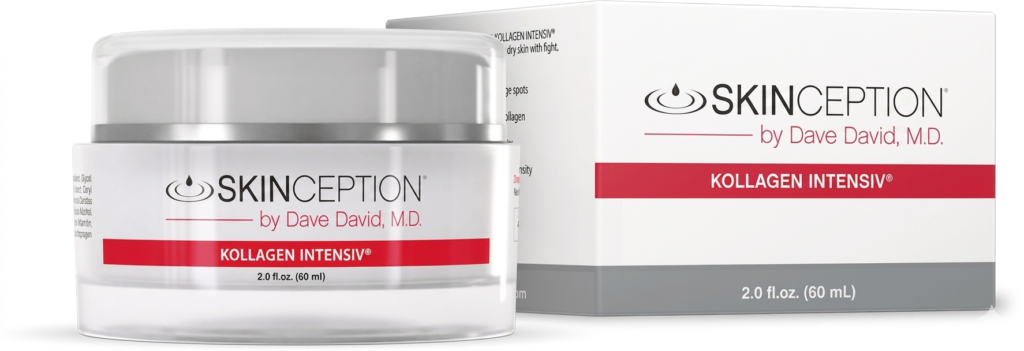
7. Consider Whether Kollagen Intensiv Fits Your Beauty Routine
Once you’ve established the basics, you might want to consider whether a collagen-focused beauty product fits your personal goals.
Kollagen Intensiv is an option for people exploring collagen-related skincare as part of a broader beauty routine.
When considering a product of this kind, it’s important to understand its ingredients, intended use, and the evidence supporting its claims. Different formulations can work in different ways, so the potential benefits depend on the specific product and how it is designed to be used.
A collagen-focused product should not be viewed as a guaranteed solution for dark circles, puffy eyes, or under-eye wrinkles. These concerns have several possible causes, and a topical product may not address every underlying factor.
Instead, consider how it fits alongside the fundamentals you’ve already established, including moisturising, sun protection, gentle cleansing, and healthy lifestyle habits.
If you’re choosing a product for the delicate eye area, check that it is intended for that use and follow its application instructions. Stop using it if irritation develops.
A thoughtful approach to beauty care focuses on supporting your skin over time rather than expecting an overnight transformation.
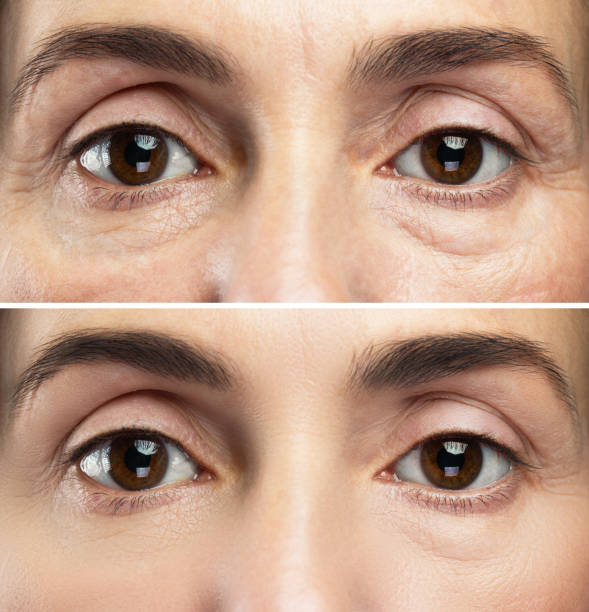
A More Thoughtful Approach to Healthier-Looking Eyes
Looking after the skin around your eyes doesn’t require an elaborate routine or an overflowing bathroom cabinet. Often, the most useful improvements come from getting the essentials right and maintaining them consistently.
Gentle cleansing, daily hydration, sun protection, attention to puffiness, an understanding of collagen loss, healthy lifestyle habits, and carefully chosen beauty products can all play a role in your overall approach.
It’s also important to recognise that dark circles, fine lines, and tired-looking eyes are not always signs that you’re doing something wrong. Genetics, facial anatomy, allergies, and natural ageing can influence their appearance.
Start with the steps that make the most sense for your needs, introduce new products carefully, and give your routine time to become a habit.
Healthy-looking skin is supported by consistent care, realistic expectations, and small choices that add up over time.
Want more tips for younger-looking eyes? Subscribe for simple eye-care advice
delivered to your inbox.