

Have you ever looked in the mirror and wondered why your eyes appear more tired than you feel? Perhaps you are noticing darker circles, puffiness that takes longer to disappear, or fine lines that seem more visible than they did a few years ago. Even when you get enough sleep and follow a skincare routine, the delicate skin around your eyes can begin to look different as you age.
The truth is that your skin’s needs change over time, and the eye care habits that once worked well may no longer be enough. From applying products incorrectly to overlooking hydration and lifestyle factors, small mistakes can affect how refreshed and comfortable the skin around your eyes looks.
The good news is that understanding these common eye care mistakes can help you make more informed choices and build a routine that better supports your changing skin.

1. Using the Same Eye Care Routine for Years
Your skin does not remain the same throughout your life. As you age, natural changes in collagen production, moisture retention and elasticity can affect the appearance of the delicate eye area.
A product that once left your skin feeling smooth may not provide the same level of comfort or hydration today.
Instead of automatically replacing everything in your routine, take time to reassess your skin’s needs. If the area around your eyes feels drier, looks duller or shows more noticeable fine lines, consider whether your current products offer enough gentle hydration and support.
Adapting your routine gradually is often more useful than introducing several new products at once.
2. Rubbing Your Eyes Too Frequently
Rubbing your eyes might seem harmless, particularly when you feel tired or experience seasonal irritation. However, repeatedly pulling at the delicate skin can cause temporary redness and irritation.
The skin around the eyes is thinner than much of the skin on your face, making gentle handling especially important.
Try these simple alternatives:
- Use a clean, cool compress when your eyes feel puffy.
- Avoid rubbing when your eyes feel itchy or irritated.
- Remove eye makeup carefully using a suitable, gentle cleanser.
- Pat skincare products onto the skin rather than dragging your fingers across it.
Small changes in how you handle this area can help protect your skin barrier and reduce unnecessary irritation.

3. Forgetting That Hydration Affects Fine Lines
One reason fine lines become more noticeable is that the skin loses some of its ability to retain moisture as it ages.
When the skin is dehydrated, existing lines can appear more pronounced, particularly around the eyes. This does not necessarily mean that your skin has suddenly aged overnight. Sometimes, a lack of moisture is making its texture more noticeable.
Choose a gentle moisturiser formulated for the eye area or one that is suitable for use around the eyes. Ingredients such as glycerin and hyaluronic acid can help attract and retain moisture.
Remember that hydration can improve the appearance of dryness, but it cannot eliminate every wrinkle or reverse the underlying ageing process.
4. Skipping Sun Protection
Sun exposure is an important contributor to premature skin ageing. Ultraviolet radiation can damage collagen and elastin, the structural proteins that help skin maintain its firmness and flexibility.
Over time, this damage may contribute to fine lines, uneven pigmentation and a less even-looking complexion.
Your eye care routine should include daily sun protection. Apply a broad-spectrum sunscreen with at least SPF 30, following its directions and choosing a formula suitable for your skin. Wear sunglasses that provide UV protection and consider a hat when spending time outdoors.
Be careful when applying sunscreen near your eyes to avoid irritation. Consistent protection is one of the most useful steps you can take to support healthier-looking skin over the long term.

5. Expecting Eye Cream to Solve Every Problem
Eye creams can help address certain concerns, including dryness and the appearance of fine lines. However, dark circles and puffiness can have several different causes.
Dark circles may be influenced by genetics, pigmentation, visible blood vessels, shadows created by facial structure or changes in skin thickness. Puffiness can be associated with fluid retention, allergies, sleep patterns and the natural ageing process.
This means that one product is unlikely to address every concern equally well.
Identify what bothers you most before choosing an eye care product. A moisturising formula may help dry skin look smoother, while persistent puffiness may require attention to sleep habits, allergies or other contributing factors.
Understanding the cause helps set realistic expectations.
6. Ignoring the Role of Collagen Loss
Collagen is a structural protein that helps give skin its strength and firmness. As we age, the body’s natural collagen production changes, and existing collagen can also break down through processes such as sun exposure.
These changes can contribute to skin that appears thinner, less firm or more lined than before.
Although collagen loss is a normal part of ageing, everyday habits can influence how skin looks and feels. Sun protection, adequate nutrition, gentle skincare and avoiding smoking all play a role in supporting overall skin health.
It is also important to recognise that no topical cream or beauty supplement can guarantee the restoration of lost collagen or completely remove established wrinkles.

7. Overusing Strong Skincare Ingredients
When fine lines appear, it can be tempting to introduce several active ingredients at once. However, using too many exfoliating acids, retinoids or other potentially irritating products can leave the skin around your eyes dry, sensitive and uncomfortable.
The delicate eye area often needs a more cautious approach than the rest of your face.
Introduce new products gradually, follow the manufacturer’s instructions and avoid applying products too close to the eyes unless they are specifically suitable for that area.
If your skin becomes red, flaky or irritated, simplify your routine and allow it to settle. A consistent, gentle approach is often preferable to an aggressive routine that compromises the skin barrier.
8. Underestimating Sleep and Daily Habits
Even a well-chosen skincare routine cannot compensate for every lifestyle factor.
Poor sleep may make the eyes appear tired, while fluid retention can contribute to morning puffiness. Dehydration, smoking and excessive sun exposure may also affect the appearance of your skin over time.
Try to maintain a regular sleep schedule, drink enough water for your needs and eat a varied diet containing vegetables, fruit, protein and other nutrient-rich foods.
If morning puffiness is a concern, notice whether it changes with your sleeping position, evening habits or allergy symptoms.
These adjustments will not eliminate every dark circle or fine line, but they can help support your overall wellbeing and a fresher-looking appearance.
9. Forgetting That Beauty Nutrition Matters
Healthy-looking skin depends on more than what you apply to your face. Your body needs adequate nutrients to maintain normal skin structure and function.
Protein provides amino acids used to build collagen, while vitamin C is essential for normal collagen formation. A balanced diet that includes suitable protein sources, fruit, vegetables and healthy fats helps provide a foundation for skin health.
This is also where some people begin exploring collagen supplements as an additional part of their beauty routine.
Research into oral collagen peptides suggests that certain formulations may offer modest improvements in skin hydration or elasticity for some people. However, results vary, and the evidence is still developing. Supplements should complement a balanced diet rather than replace it.
10. Choosing Beauty Products Without Considering Your Overall Routine
It is easy to focus on finding a single product that promises to make tired eyes look younger. However, a thoughtful beauty routine considers the bigger picture, including skincare, sun protection, nutrition and realistic expectations.
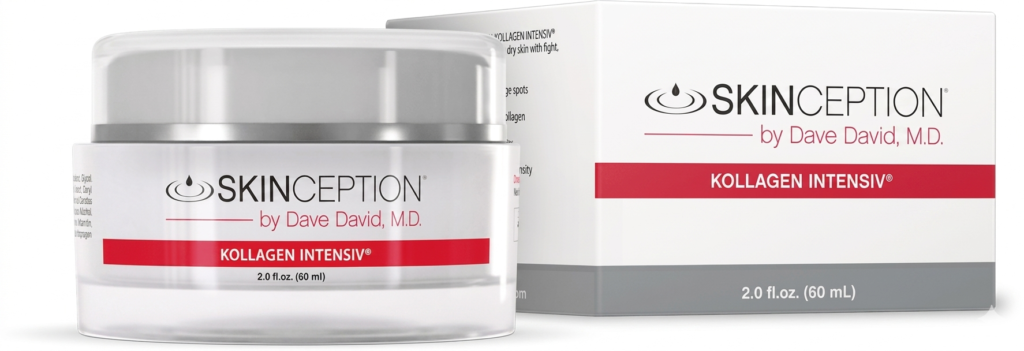
For those interested in supporting their skin from within, collagen intensive may be an option worth considering as part of an overall beauty routine.
Before choosing any collagen-focused supplement, check its ingredient list, recommended use and suitability for your individual needs. Consider any relevant allergies, dietary restrictions or medications, and seek advice from a qualified healthcare professional if you are unsure whether a supplement is appropriate for you.
Kollagen Intensiv should not be viewed as a guaranteed solution for dark circles, under-eye bags or wrinkles. Its suitability depends on the formulation, the available evidence for its ingredients and individual factors. No supplement replaces the everyday skincare habits that help protect and maintain your skin.
Give Your Eye Care Routine a Fresh Start
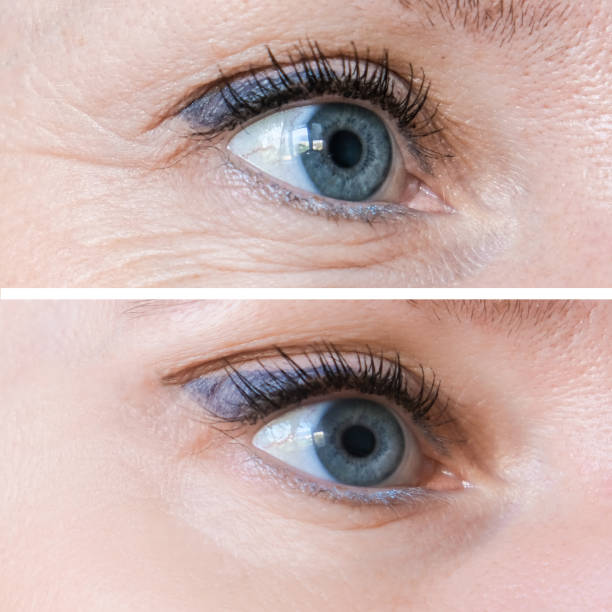
Changes around your eyes do not automatically mean that your skincare routine has failed. As skin ages, its hydration needs, elasticity and appearance can change, making it worthwhile to reconsider the habits and products you rely on.
Start by protecting your skin from the sun, handling the eye area gently, maintaining adequate hydration and paying attention to sleep and nutrition. Avoid overwhelming your skin with too many products, and choose beauty treatments with realistic expectations.
Most importantly, remember that healthy-looking skin is not about eliminating every line or achieving a completely flawless appearance. It is about understanding what your skin needs at each stage of life and giving it consistent, thoughtful care.
With a few sensible adjustments, you can build an eye care routine that supports your skin as it changes and helps you feel more confident in your natural appearance.
Want to learn more about caring for ageing eyes? Subscribe for our latest tips
and advice.