

Your eyes can look tired even when you have had a good night’s sleep. Dark circles, morning puffiness, fine lines, and crepey skin can make the eye area appear older or less refreshed than you feel. Because the skin around your eyes is delicate, it often shows changes in hydration, lifestyle, and natural ageing earlier than other parts of the face.
The good news is that giving this area a little extra attention does not have to mean an expensive beauty routine or a cupboard full of products. Small, consistent habits can help support smoother-looking, more hydrated skin while making your eyes appear fresher.
Here are nine practical ways to care for the skin around your eyes, including how hydration, collagen, and everyday choices can influence its appearance.
1. Keep the Delicate Eye Area Well Hydrated
The skin around your eyes is thinner than much of the skin on your face, making dryness and fine lines more noticeable. When this area lacks moisture, it can look dull, tight, or creased, particularly under makeup.
A gentle eye cream or moisturiser can help support the skin’s moisture barrier and reduce moisture loss. Ingredients such as hyaluronic acid and glycerin attract and retain water, helping the skin appear plumper and smoother.
Apply a small amount using your ring finger, gently tapping around the orbital bone rather than pulling or rubbing the skin. Consistent hydration can improve the appearance of dehydration lines, although it will not eliminate deeper wrinkles.

2. Understand How Collagen Loss Affects Your Eyes
Collagen is a structural protein that helps give skin its firmness and support. As we age, the body gradually produces less collagen, while existing collagen fibres undergo changes that affect the skin’s structure.
These changes can contribute to reduced elasticity, fine lines, and looser-looking skin around the eyes. Sun exposure, smoking, and other lifestyle factors can also accelerate visible skin ageing.
Although no skincare product can completely reverse natural collagen loss, a thoughtful routine can help protect the skin and improve its overall appearance. Ingredients such as retinoids may support collagen production over time, but the eye area can be sensitive, so introduce them cautiously and seek professional advice if irritation occurs.
3. Protect Your Eyes From Everyday Sun Exposure
Sun protection is one of the most useful steps in a long-term eye-area skincare routine. Ultraviolet radiation contributes to premature skin ageing, including wrinkles, uneven pigmentation, and reduced elasticity.
Even on cloudy days, UV exposure can affect the skin. Make protection part of your daily routine by using a broad-spectrum SPF 30 or higher sunscreen suitable for your skin, taking care to avoid direct contact with your eyes.
You can also wear sunglasses that provide UV protection and a wide-brimmed hat when outdoors. These simple habits help protect the delicate skin around your eyes from avoidable environmental damage.
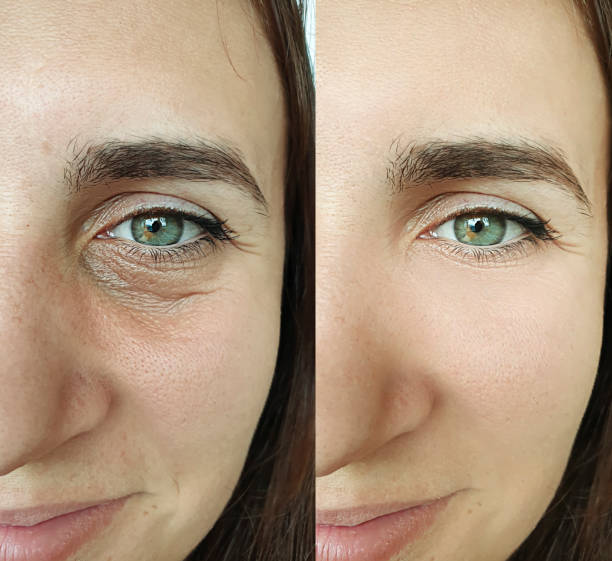
4. Reduce Morning Puffiness With a Cool Compress
Waking up with puffy eyes can be frustrating, especially when you want your face to look refreshed. Temporary puffiness may result from fluid accumulation during sleep, salty meals, allergies, or disrupted sleep patterns.
A cool compress can help soothe the area and temporarily reduce the appearance of swelling. Place a clean, cool washcloth over closed eyes for several minutes without applying pressure.
Avoid putting ice directly against your skin, as extreme cold can cause irritation or injury. If puffiness is a regular concern, consider whether late-night meals, allergies, or your sleeping habits might be contributing factors.
Persistent, painful, or sudden swelling deserves medical attention, particularly if it affects only one eye or comes with vision changes.
5. Make Quality Sleep Part of Your Beauty Routine
Your skin is continually maintaining and repairing itself, and healthy sleep supports these natural processes. When sleep is consistently inadequate, your eyes may appear more tired, with puffiness, dullness, and more noticeable dark circles.
Aim for a regular sleep schedule and enough rest to feel refreshed. For most adults, this generally means around seven to nine hours each night.
Keeping your bedroom dark and comfortable, reducing screen use before bedtime, and maintaining a consistent wake-up time may help improve sleep quality.
Sleep will not remove every dark circle, particularly when genetics or facial structure play a role, but better rest can help reduce the tired appearance associated with insufficient sleep.

6. Choose Eye-Area Products That Match Your Concerns
Not every eye cream addresses the same problem. Choosing products according to your main concern can make your routine simpler and more effective.
Consider these ingredient categories:
- Hyaluronic acid: Helps attract moisture and temporarily plump the appearance of fine dehydration lines.
- Caffeine: May temporarily improve the appearance of puffiness for some people.
- Niacinamide: Supports the skin barrier and may help improve uneven skin tone.
- Retinol or other retinoids: May gradually improve the appearance of fine lines, although sensitive eye-area skin requires careful use.
- Ceramides: Help support the skin barrier and reduce moisture loss.
Introduce new products gradually, and stop using anything that causes persistent burning, redness, or irritation. Avoid applying active ingredients too close to the eyes unless the product is specifically formulated for that area.
7. Support Skin Health Through Everyday Nutrition
Skincare does not begin and end with the products you apply. Your body needs adequate nutrition to maintain normal skin structure and produce collagen.
Vitamin C is particularly important because the body needs it for collagen synthesis. Protein supplies amino acids used to build and maintain tissues, while a varied diet provides other nutrients involved in normal skin function.
Include foods such as citrus fruits, berries, capsicum, eggs, legumes, fish, and other protein-rich options as part of a balanced eating pattern.
Staying adequately hydrated is also important for general health. Drinking excessive amounts of water will not erase dark circles or wrinkles, but avoiding dehydration helps support normal body function and skin hydration.
8. Be Gentle When Removing Makeup
Repeated rubbing can irritate the sensitive skin around your eyes. This is especially relevant when removing waterproof mascara, eyeliner, or long-wearing concealer.
Use a gentle makeup remover suitable for the eye area and allow it time to dissolve the product before wiping. A soft cotton pad or clean reusable cloth can help remove makeup without unnecessary friction.
Avoid tugging at the eyelids or pulling at the skin when removing false lashes. If your eyes are prone to irritation, choose fragrance-free products and replace eye makeup regularly.
Being gentle may seem like a small detail, but reducing repeated irritation is a worthwhile part of protecting delicate skin over time.

9. Consider Kollagen Intensiv as Part of a Consistent Beauty Routine
When fine lines, reduced firmness, and tired-looking skin become more noticeable, it is natural to look beyond basic moisturising. Some people choose to incorporate targeted anti-ageing skincare products into a broader routine.
Kollagen Intensiv is one option to consider when exploring products marketed for improving the appearance of ageing skin. Its suitability depends on the formulation, ingredients, and individual skin needs, so reviewing the product information is important before deciding whether it fits your routine.
A product like Kollagen Intensiv should be viewed as one possible part of a wider approach rather than a complete solution for every eye-area concern. No cosmetic product can guarantee the removal of dark circles, eliminate puffiness caused by underlying factors, or fully restore collagen lost through ageing.
For the delicate eye area, check whether a product is specifically intended for use near the eyes before applying it there. If it is not, follow its stated directions and keep it away from the eye area.
The most useful approach combines appropriate skincare with daily sun protection, adequate sleep, balanced nutrition, and gentle application techniques. Consistency is generally more valuable than repeatedly switching between products in search of an overnight transformation.
Give Your Eyes the Attention They Deserve
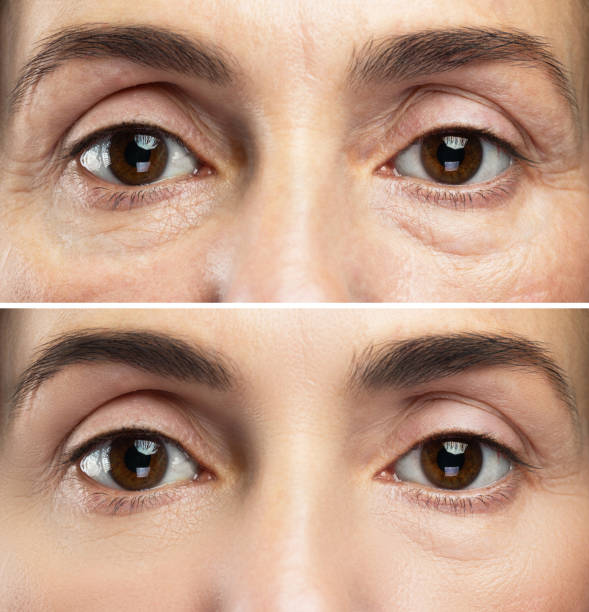
The skin around your eyes responds to many influences, from natural collagen loss and reduced elasticity to dehydration, sun exposure, and everyday habits. While some concerns, such as genetic dark circles or changes in facial structure, cannot be completely corrected through skincare, many people can improve the appearance of their eye area with thoughtful, consistent care.
Start with the basics: moisturise gently, protect your skin from the sun, prioritise sleep, and choose products suited to your concerns. If you decide to incorporate Kollagen Intensiv into your beauty routine, keep your expectations realistic and consider how it fits alongside these everyday habits.
With a little patience and the right approach, you can support healthier-looking skin and help your eyes appear more refreshed without making your skincare routine unnecessarily complicated.
Your eyes deserve attention too. Subscribe for more practical eye-care tips
and advice