Your eyes can make you look tired, stressed, or older—even when you feel completely fine.
The skin around your eyes is delicate, and changes in hydration, collagen, lifestyle, sun exposure, and the natural aging process can all affect how this area looks. That is why simply getting more sleep does not always make dark circles, puffiness, or fine lines disappear.
If you have noticed that your under-eyes suddenly look different, here are 9 things that may be contributing to the change—and what you can do about them.
1. Natural Collagen Loss
One of the biggest changes that happens as skin ages is a gradual decline in collagen.
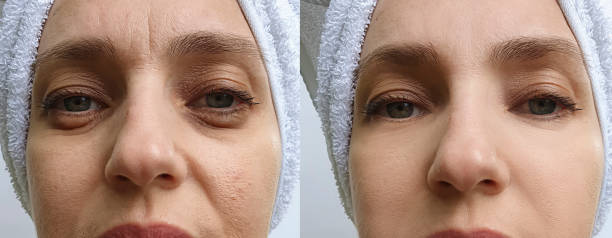
Collagen helps give skin structure, firmness, and resilience. As collagen levels decrease, delicate areas such as the under-eyes can begin to look thinner and less firm. Fine lines may also become more noticeable.
This is one reason why the under-eye area can reveal signs of aging before other areas of the face.
Supporting healthy-looking skin with moisturizing and collagen-focused skincare may help improve the appearance of fine lines and loss of firmness over time.
2. Dehydrated Skin
Sometimes your under-eyes may look older simply because the skin is lacking moisture.
When skin becomes dry or dehydrated, fine lines can appear more pronounced. The area may also look dull, crepey, or generally less smooth.
Hydration does not necessarily erase wrinkles, but improving the skin’s moisture levels can make its surface look softer and more comfortable.
Look for skincare ingredients designed to help retain moisture, and avoid consistently exposing the delicate eye area to products that leave it feeling dry or irritated.
3. Too Much Sun Exposure
Your daily exposure to sunlight can have a significant effect on how your skin looks over time.
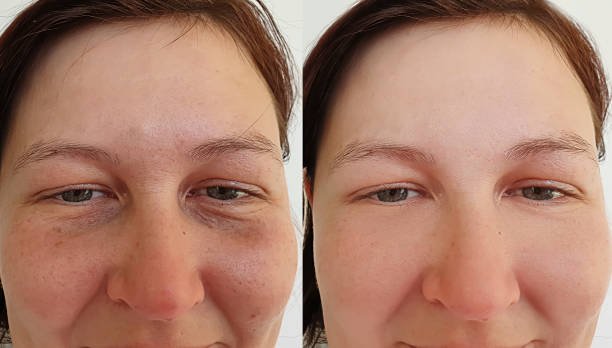
UV exposure contributes to photoaging, which can involve changes such as fine lines, uneven pigmentation, roughness, and loss of youthful-looking skin quality.
The under-eye area is particularly easy to overlook when applying sun protection.
A consistent daytime skincare routine that includes appropriate sun protection can help reduce ongoing environmental damage and support healthier-looking skin.
4. Puffiness
Puffy under-eyes can completely change the appearance of your face.
Temporary puffiness may be associated with factors such as fluid retention, lack of sleep, allergies, crying, or other everyday circumstances. Genetics and natural aging can also influence how prominent bags appear.
Rather than assuming every case of puffiness is caused by aging, consider your overall routine. Notice whether the appearance changes from morning to evening or varies from one day to another.
That can help you understand whether you are dealing primarily with temporary puffiness or a longer-term change in the skin.
5. Repeated Facial Movements
Your face moves constantly.
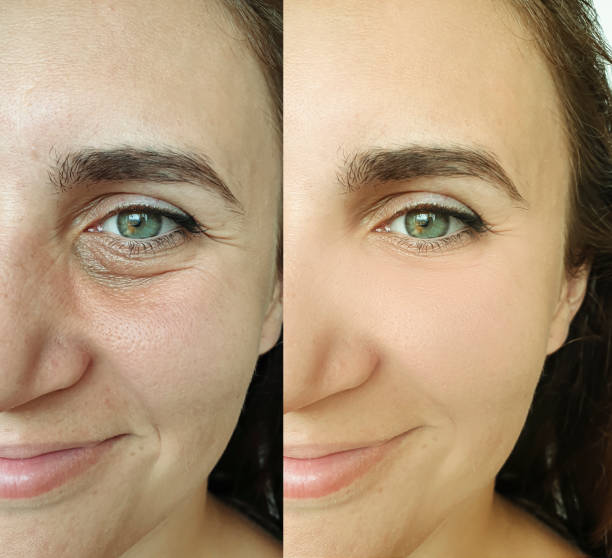
Smiling, squinting, laughing, and other repeated expressions can contribute to the appearance of expression lines over time. Around the eyes, these are commonly noticed as crow’s feet.
You obviously cannot—and should not—stop making facial expressions. Instead, protecting the skin from unnecessary environmental stress and maintaining good hydration can help support its overall appearance.
6. Your Skin May Be Losing Elasticity
Firmness and elasticity are closely connected to the way youthful skin looks.
As skin changes with age, it may not bounce back as easily as it once did. Around the eyes, this can contribute to a softer, looser, or more tired-looking appearance.
This is another reason collagen-focused skincare can be interesting for people concerned about visible signs of aging.
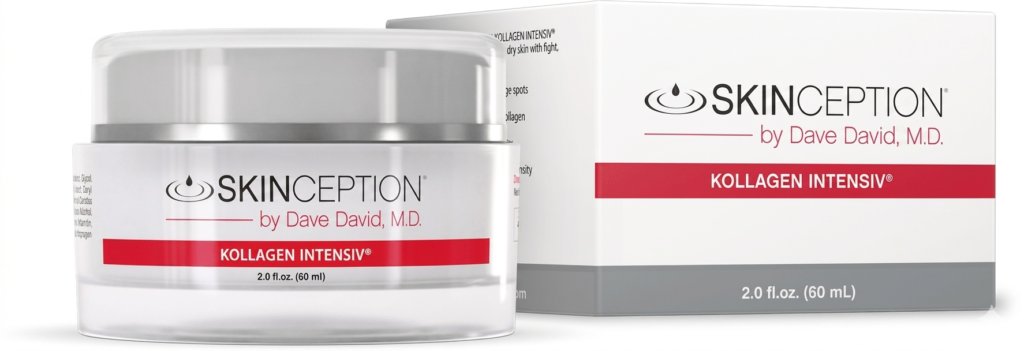
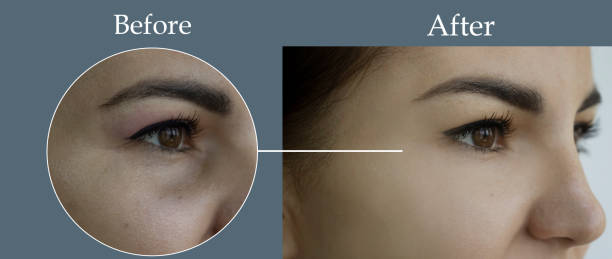
Kollagen Intensiv, for example, contains the patented peptide SYN®-COLL, which the manufacturer says is designed to support natural collagen production and improve the appearance of wrinkles. The brand also describes the formula as providing moisturizing and skin-conditioning benefits.
7. Your Skincare Routine May Be Too Harsh
More skincare does not automatically mean better skincare.
Using too many active products, aggressively rubbing the eye area, or applying products that cause irritation can make delicate skin look worse.
The skin around your eyes deserves a gentle approach.
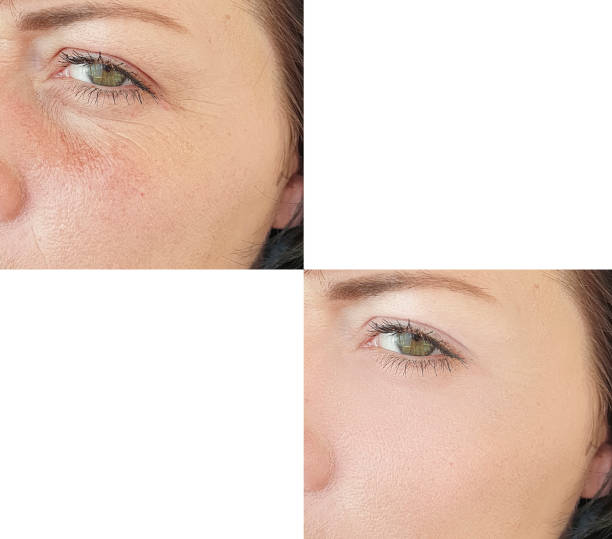
Apply products carefully rather than dragging or pulling the skin. If a product repeatedly causes burning, redness, or irritation, consider stopping it and discussing persistent problems with a qualified healthcare professional or dermatologist.
8. Lifestyle Can Show Up Around Your Eyes
Your under-eyes can sometimes reflect what is happening in the rest of your routine.
Poor sleep, stress, dehydration, smoking, alcohol consumption, and inconsistent skincare may all affect how fresh your skin appears.
That does not mean one late night will suddenly create permanent wrinkles. Instead, think about your habits over weeks and months.
A consistent routine—adequate sleep, hydration, nutritious food, sun protection, and gentle skincare—can provide a much better foundation than constantly searching for a quick fix.
9. Your Under-Eyes May Need More Than One Solution
Perhaps the most important point is that there may not be a single reason your under-eyes look different.
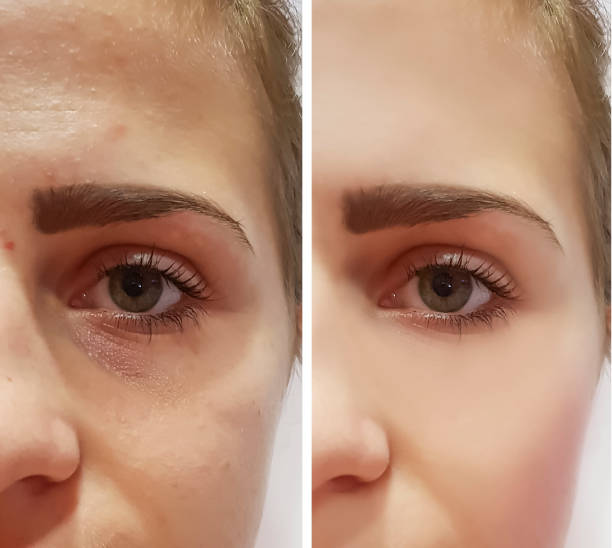
You could have some combination of fine lines, dryness, pigmentation, puffiness, reduced firmness, and environmental damage.
That means switching from one “miracle” product to another may not always be the best approach.
A more sensible strategy is to build a consistent routine that addresses the fundamentals: moisture, environmental protection, gentle skincare, and ingredients that support the appearance of firmer, healthier-looking skin.
Could Collagen-Focused Skincare Help?
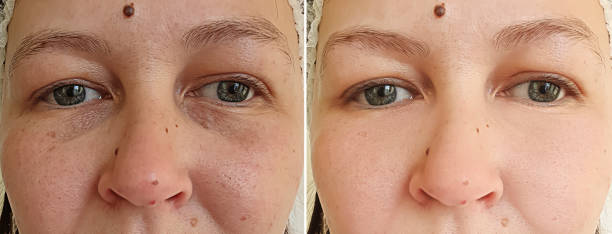
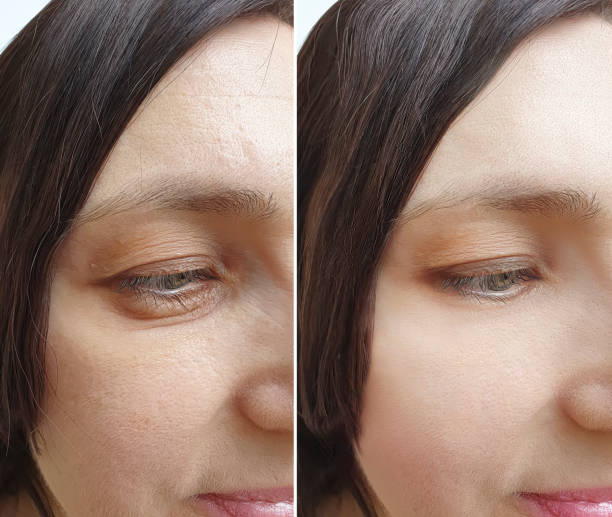
Kollagen Intensiv is designed as a broader anti-aging moisturizer rather than simply an eye cream. According to the manufacturer, its formulation includes SYN®-COLL alongside peptides, hyaluronic acid, vitamin C derivatives, antioxidants, and moisturizing ingredients. The company specifically markets the product for concerns including wrinkles, puffiness, dark under-eye circles, and crow’s feet.
The manufacturer also cites an 84-day study involving SYN®-COLL and reports improvements in the appearance of wrinkles compared with placebo. Those figures relate to the ingredient study and should not be interpreted as a guarantee that every person using Kollagen Intensiv will experience the same results.
The Bottom Line
Your under-eyes can change for many reasons—and aging is only one piece of the puzzle.
Collagen loss, dehydration, sun exposure, puffiness, facial movement, reduced elasticity, harsh skincare, lifestyle factors, and several concerns occurring together can all influence how this delicate area looks.
Instead of focusing on one symptom, consider the bigger picture.
Protect your skin, keep it moisturized, treat the eye area gently, maintain healthy daily habits, and consider skincare formulated to support collagen and overall skin quality.
Sometimes, making the right changes consistently is more important than finding the fastest possible fix.