A full night of sleep doesn’t always translate into a fresh-looking eye area—because what you see in the mirror can be influenced by far more than how many hours you spent in bed.
You go to sleep expecting to wake up looking refreshed. Then you glance in the mirror and see the opposite: shadows under your eyes, noticeable puffiness, fine lines, or an overall tired appearance that makes it seem as though you barely slept.
It can be frustrating—especially when you actually did get enough rest.
The surprising part is that sleep is only one piece of the puzzle. The delicate skin around your eyes can be affected by everything from facial structure and fluid retention to everyday habits and visible changes in the skin over time.
If your eyes consistently look tired even after a good night’s sleep, these nine often-overlooked factors may help explain why.
1. Your Natural Facial Structure Can Create Shadows
Sometimes what looks like a dark circle isn’t primarily a change in skin colour—it’s a shadow.
The natural shape of your eye sockets, cheekbones, and under-eye area can influence how light falls across your face. If there is a noticeable hollow beneath the eyes, overhead lighting can make that area appear darker and more tired.
This is one reason under-eye shadows may look dramatically different depending on the room, time of day, or direction of the light.
2. Morning Puffiness Can Make Shadows Look Deeper
Fluid can temporarily accumulate around the eye area while you sleep, contributing to a puffier appearance when you first wake up.
That fullness can create additional contours beneath the eyes. When light hits those contours, the shadows underneath may become more noticeable.
So even if you slept well, the combination of temporary puffiness and shadowing can create the visual impression of fatigue.
If your eyes tend to look fresher later in the morning, this may be part of the reason.
3. The Skin Around Your Eyes Is Naturally Thin
The eye area has particularly delicate skin.
Because this skin is relatively thin, underlying tones and structures may be more visible than they are elsewhere on the face. This can contribute to a darker or more translucent appearance beneath the eyes.
As the visible quality of the skin changes over time, this contrast may become increasingly noticeable—even when your sleep habits haven’t changed.
4. Rubbing Your Eyes May Be Affecting Their Appearance
Itchy or tired eyes can make rubbing them almost automatic.
But repeated rubbing creates friction on an area where the skin is already delicate. It may also temporarily increase redness or make the eye area look irritated.
Being gentler when removing makeup, cleansing, drying your face, or applying skincare can help reduce unnecessary pulling and rubbing.
Small habits matter when they happen every single day.
5. Dehydrated-Looking Skin Can Emphasize Fine Lines
There is a difference between dry skin and skin that simply looks dehydrated.
When the eye area lacks a smooth, moisturised appearance, fine surface lines may appear more obvious. Makeup can also settle differently, sometimes drawing even more attention to texture.
This can make the entire eye area look less fresh—even if tiredness itself isn’t the underlying issue.
A consistent moisturising routine can help support a smoother, more comfortable-looking surface.
6. Your Screen Habits May Be Showing in Subtle Ways
Long hours spent looking at phones, computers, and tablets don’t automatically cause dark circles, but screen-heavy routines can influence habits that affect how refreshed you look.
You may squint more, rub tired-feeling eyes, blink less frequently, or stay up later than intended.
There is also a visual effect many people overlook: repeated squinting can make existing lines around the eyes appear more noticeable while you’re using certain expressions.
Taking regular screen breaks and paying attention to unconscious facial tension may be worthwhile.

7. Your Makeup Technique Could Be Highlighting the Problem
Sometimes the products intended to hide tired-looking eyes can accidentally emphasise them.
Heavy concealer may settle into fine lines. Very matte formulas can make dry-looking texture more noticeable. Using too much brightening product can also create contrast that draws attention to under-eye contours rather than disguising them.
The goal isn’t necessarily more coverage.
A lighter application, appropriate moisturisation beforehand, and carefully placed concealer may create a fresher result than layering on additional product.
8. Sun Exposure Can Affect How the Eye Area Looks Over Time
The eye area is easy to overlook when thinking about everyday sun protection.
Over time, repeated sun exposure can contribute to visible changes in skin tone and texture, which may make the area around the eyes appear less even or youthful-looking.
Sunglasses can be particularly useful because they provide physical coverage while also reducing the tendency to squint in bright sunlight.
Broad-spectrum sun protection and sensible sun habits can also play an important role in maintaining the appearance of your skin over time.
9. Visible Skin Changes Can Alter How Rested You Look
As skin changes with age, differences in firmness, texture, fine lines, and facial contours can influence how light reflects around the eyes.
This matters because our brains often associate certain visual cues—such as deeper shadows, fine lines, or less smooth-looking skin—with fatigue.
That means you can feel completely rested while your eye area still gives a different impression.
This is where looking beyond sleep alone becomes especially important.
What Can You Do About Persistently Tired-Looking Eyes?
There usually isn’t one universal solution because several visual factors may be contributing at the same time.
Start with the basics: maintain consistent sleep habits, treat the eye area gently, use appropriate sun protection, avoid unnecessary rubbing, and keep your skincare routine focused on supporting a moisturised, smooth-looking complexion.
It can also help to observe what is making your eyes look tired.
Is it mainly darkness? Puffiness? Fine lines? Dry-looking texture? Hollow-looking shadows?
Understanding the visible concern can help you make more thoughtful skincare and beauty choices instead of simply trying another concealer.
For women who are particularly concerned about the visible signs of skin ageing, another option is to explore skincare products specifically positioned around improving the appearance of mature-looking skin.
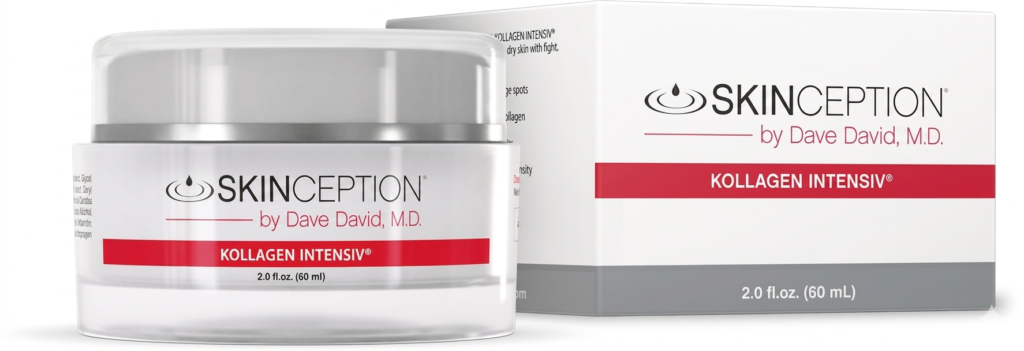
One product you may come across during that research is Kollagen Intensiv.
Rather than viewing any skincare product as a quick fix for every under-eye concern, it makes more sense to look carefully at what the product is designed for, how it fits into your existing routine, and whether its intended purpose matches the visible changes you actually want to address.

Looking Rested Is About More Than Sleep
If you’re sleeping well but still wondering why your eyes look tired, your bedtime may not be the real issue.
Natural facial contours, morning puffiness, delicate under-eye skin, repeated rubbing, visible dryness, makeup choices, sun exposure, and age-related changes can all influence what you see in the mirror.
The key is to identify which factors seem most relevant to your appearance.
Once you understand what may be contributing, you can focus on habits and skincare choices that support a smoother, fresher, more cared-for appearance rather than simply trying to “sleep away” the problem.

If visible changes in ageing skin are one of your main concerns, you may also want to learn more about Kollagen Intensiv—what it is designed to do, how it is intended to be used, and whether it makes sense for your skincare goals.
⭐⭐⭐⭐⭐Kollagen Intensiv™ 74 reviews