You may be getting enough sleep, but several everyday factors can still leave the delicate skin around your eyes looking less refreshed than you expect.
Waking up after a full night’s sleep should leave you feeling refreshed, but many people are disappointed when the mirror tells a different story. Dark-looking under-eyes, puffiness, fine lines, or a generally fatigued appearance can make you look far more tired than you actually feel.
The skin around the eyes is one of the thinnest and most delicate areas of the face, making it especially sensitive to changes in lifestyle, environment, and the natural aging process. While poor sleep is often blamed, it’s far from the only reason your eyes may appear less vibrant.
Understanding the less obvious causes can help you make simple changes that support healthier-looking skin and a brighter overall appearance.
1. You May Be Slightly Dehydrated
Even mild dehydration can affect how the skin looks. When your body needs more fluids, skin can appear less plump, allowing fine lines to become more noticeable. Around the eyes, this can create a dull or tired-looking appearance even after a full night’s rest.
Drinking enough water throughout the day—not just before bed—helps support overall skin hydration.
2. Sleeping Position Can Encourage Morning Puffiness
If you regularly sleep flat on your back or stomach, fluid can temporarily collect around the eye area overnight. This may cause puffiness that takes time to settle after waking.
Many people notice less morning swelling when sleeping with their head slightly elevated, allowing fluid to drain more easily while resting.
3. Seasonal Allergies Can Affect Your Eyes
Allergies don’t always come with dramatic symptoms. Mild irritation can cause frequent rubbing, watery eyes, and subtle inflammation around the delicate eye area.
Over time, repeated irritation may contribute to a tired appearance, particularly during pollen season or after exposure to dust or pet dander.
4. Screen Time Doesn’t Stop When You Close Your Laptop
Hours spent looking at phones, tablets, or computers can leave your eyes feeling strained. Reduced blinking during screen use may also contribute to dryness and discomfort.
Even if you sleep well, yesterday’s screen habits can influence how refreshed your eyes appear the next morning.
5. Natural Ageing Changes Eye Appearance
As we age, skin gradually produces less collagen and elastin. The under-eye area may become thinner, making shadows more noticeable and reducing the skin’s naturally smooth appearance.
These gradual changes are completely normal, but they often become more visible before other areas of the face show significant signs of aging.
6. Sun Exposure Adds Up Over Time
The effects of sunlight aren’t always immediate. Years of UV exposure can contribute to visible skin aging, including changes in texture, firmness, and pigmentation around the eyes.
Daily sun protection—including sunglasses and sunscreen designed for facial use—can help support healthier-looking skin over time.
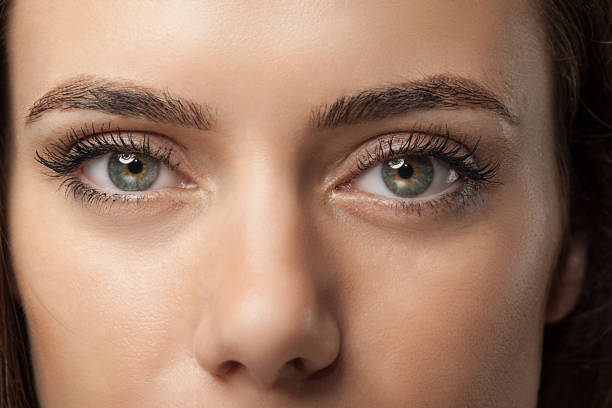
7. High Salt Intake May Increase Puffiness
Enjoying salty meals occasionally isn’t usually a problem, but consistently consuming large amounts of sodium may encourage temporary fluid retention.
Many people notice their eyes appear puffier after eating heavily processed or salty foods, especially if hydration is also lacking.
8. Stress Can Show On Your Face
Stress doesn’t just affect how you feel—it can influence how you look. Busy schedules, constant worry, and mental fatigue may contribute to a less refreshed appearance, even when you’ve managed a full night’s sleep.
Developing healthy stress-management habits can benefit both overall well-being and skin appearance.

9. Your Skincare Routine May Need Updating
The eye area has unique skincare needs. Products that work well elsewhere on the face may not provide enough hydration or support for this delicate skin.
Consistently cleansing gently, moisturizing appropriately, and protecting the area from daily environmental stressors can make a noticeable difference in maintaining a healthier-looking appearance.

Supporting the Appearance of the Eye Area
While lifestyle habits play an important role, many people also choose to include targeted skincare products as part of their daily routine.
If you’re concerned about the visible signs of aging around the eyes, such as the appearance of fine lines, tired-looking skin, or reduced firmness, it may be worth exploring products formulated specifically for this delicate area.
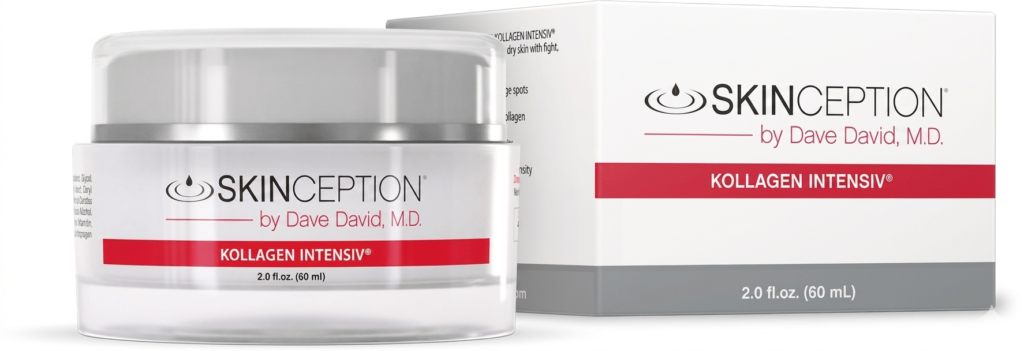
Kollagen Intensiv is one option that some people consider as part of their skincare routines. Rather than replacing healthy habits like good sleep, hydration, sun protection, and balanced nutrition, it can complement an overall approach to caring for aging-looking skin.
The key is consistency. Visible improvements in skin appearance often come from combining healthy daily habits with a skincare routine that suits your individual needs and concerns.
Conclusion
Looking tired after a full night’s sleep doesn’t necessarily mean you’re not getting enough rest. Everyday factors such as hydration, allergies, screen use, sleeping position, sun exposure, stress, diet, and the natural aging process can all influence how the skin around your eyes looks.
By understanding these often-overlooked contributors, you can make practical adjustments that support a fresher, healthier-looking appearance over time.
If you’re also exploring skincare options designed for the delicate eye area, learning more about Kollagen Intensiv may be a helpful next step as part of a balanced routine focused on maintaining smoother, more youthful-looking skin.
⭐⭐⭐⭐⭐Kollagen Intensiv™ 74 reviews