

Have you ever looked in the mirror and wondered why your eyes appear tired, puffy, or older than you feel? Perhaps you slept reasonably well, followed your skincare routine, and still noticed dark circles or fine lines that seem more noticeable than usual.
The surprising part is that the appearance of your eyes may be influenced by small habits you repeat every day. From how much water you drink to the way you remove makeup, everyday choices can affect the delicate skin surrounding your eyes.
As we age, changes in collagen, skin elasticity, and moisture levels can also influence how this area looks. While nobody can stop the natural ageing process, understanding these factors can help you make more informed decisions about caring for your skin.
Here are nine daily habits worth paying attention to if you want your eyes to look fresher, brighter, and better cared for.

1. Not Getting Enough Quality Sleep
A poor night’s sleep can make tired-looking eyes more noticeable. You may wake up with puffiness, darker-looking under-eye areas, or a generally worn-out appearance.
Sleep deprivation can affect fluid balance and make existing under-eye shadows appear more prominent. Over time, consistently poor sleep may also interfere with your skin’s normal repair processes.
Try to maintain a regular sleep schedule and aim for around seven to nine hours of sleep each night if you’re an adult. Keeping your bedroom comfortable and limiting late-night screen use may also help.
Small change to try: Establish a consistent bedtime rather than relying on extra sleep at the weekend to make up for lost rest.
Kollagen Intensiv Cream Official Website:
2. Forgetting to Drink Enough Water
Hydration plays an important role in the overall appearance of your skin. When you’re not drinking enough fluids, your skin may look less plump, and fine lines can sometimes become more noticeable.
The delicate skin beneath your eyes is particularly prone to showing changes in texture because it is naturally thin. However, dehydration is not the only cause of under-eye wrinkles, and drinking extra water will not eliminate them.
Your individual fluid needs depend on your activity level, climate, diet, and health.
Small change to try: Keep water nearby throughout the day and drink regularly, especially in hot weather or after exercise.

3. Rubbing Your Eyes Too Often
Rubbing your eyes might feel satisfying when they’re itchy or irritated, but repeated friction can be unkind to the delicate skin around them.
Frequent rubbing may contribute to temporary redness and swelling. Over time, repeated mechanical irritation can also aggravate the area, particularly if you have allergies or sensitive skin.
Instead of rubbing, try identifying what causes the irritation. Allergies, dryness, and environmental triggers may all play a role.
Small change to try: Use a clean, cool compress for temporary comfort and avoid pulling or stretching the skin when applying skincare products.

4. Skipping Sunscreen Around the Eyes
Sun exposure is one of the major environmental factors involved in premature skin ageing. Ultraviolet radiation can damage collagen and elastin, the structural proteins that help skin maintain its firmness and flexibility.
As collagen gradually declines with age, sun-related damage may contribute to fine lines, wrinkles, uneven pigmentation, and changes in skin texture.
The eye area is often overlooked when people apply sunscreen, even though it is exposed to sunlight regularly.
Small change to try: Apply broad-spectrum SPF 30 or higher sunscreen to suitable areas around the eyes, following the product directions and avoiding direct contact with your eyes. Sunglasses that offer UV protection and a wide-brimmed hat provide additional protection.
5. Sleeping With Makeup On
After a long day, removing makeup can feel like an unnecessary chore. However, leaving mascara, eyeliner, and other products around your eyes overnight may contribute to irritation, especially if the products migrate into your eyes.
Makeup residue can also make the morning routine more difficult and encourage unnecessary rubbing when you eventually remove it.
Gentle cleansing helps keep the surrounding skin comfortable without adding avoidable friction.
Small change to try: Use a gentle makeup remover suitable for the eye area, and remove products carefully rather than scrubbing or pulling at your lashes.

6. Using Skincare Products That Are Too Harsh
More skincare does not automatically mean better skin. Strong cleansers, irritating ingredients, and excessive exfoliation can disrupt the skin barrier and leave the area around your eyes feeling dry or sensitive.
When the skin loses moisture, fine lines may temporarily appear more pronounced. Irritation can also cause redness and puffiness, making the eyes look less refreshed.
A complicated routine is not always necessary to care for mature skin.
Small change to try: Choose a gentle cleanser and a fragrance-free moisturiser that suits your skin. Introduce new products gradually, and avoid applying active ingredients too close to the eyes unless they’re specifically suitable for that area.
7. Spending Hours Looking at Screens
Long periods of computer or phone use can contribute to eye strain and dryness. People often blink less frequently while concentrating on screens, which can make their eyes feel uncomfortable or tired.
Although screen time does not directly explain every wrinkle or dark circle, eye discomfort can add to that fatigued feeling.
Late-night screen use may also interfere with sleep if it keeps you mentally stimulated or pushes your bedtime later.
Small change to try: Follow the 20-20-20 rule: every 20 minutes, look at something about 20 feet away for at least 20 seconds. Remember to blink regularly and take breaks from close-up work.
8. Eating a Diet Low in Skin-Supporting Nutrients
Your skin depends on a range of nutrients to maintain its normal structure and function. Protein supplies amino acids needed to build collagen, while vitamin C is essential for normal collagen formation.
A varied diet also provides other nutrients that support general skin health. Regularly eating very little or following an unnecessarily restrictive diet can make it harder to meet your nutritional needs.
No single food can prevent under-eye wrinkles, but balanced nutrition is a useful part of a long-term skincare approach.
Small change to try: Include a variety of vegetables, fruit, protein-rich foods, whole grains, and healthy fats in your meals. Foods such as citrus fruit, berries, eggs, fish, legumes, and nuts can contribute useful nutrients.
9. Ignoring Collagen Loss as Your Skin Ages
One of the less obvious reasons eyes may look different over time is the gradual change in the skin’s underlying structure.
Collagen helps provide skin with support, while elastin contributes to its ability to stretch and return to shape. With natural ageing, collagen production declines, and existing collagen becomes affected by environmental damage.
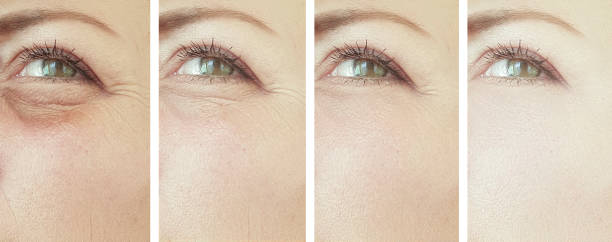
The result can be thinner-looking skin, reduced elasticity, and more visible fine lines. Because the under-eye area is naturally delicate, these changes may become noticeable there before they are obvious elsewhere.
Hydration and moisturising can improve the appearance of dry skin, but they cannot completely replace lost collagen or reverse every sign of ageing.
This is where a consistent, realistic beauty routine becomes important. Protecting your skin from sunlight, using suitable skincare products, eating well, and getting enough sleep all contribute to a more comprehensive approach.
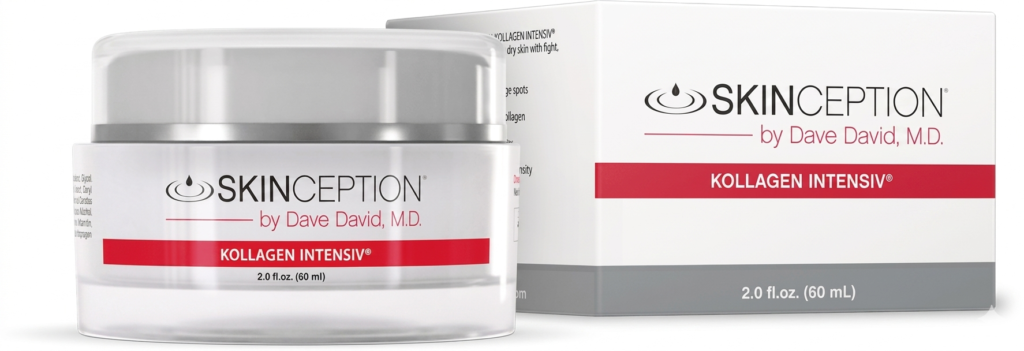
Could Kollagen Intensiv Fit Into Your Beauty Routine?
For people interested in supporting their skin’s appearance as they age, Kollagen Intensiv may be an option to consider as part of an overall beauty routine.
When evaluating any collagen-focused skincare product, it is important to understand what the formulation contains, how it is intended to be used, and what evidence supports its claims. Different products work in different ways, and results can vary according to individual skin characteristics and routines.
A product should complement, rather than replace, the everyday habits that help protect your skin. It is also sensible to keep expectations realistic: no beauty product can guarantee the removal of dark circles, eliminate puffiness, or restore the skin to its appearance years ago.
The goal is to make informed choices that support your skin’s needs while recognising that some changes around the eyes are a normal part of ageing.
The Takeaway: Small Habits Can Make a Difference
Tired-looking eyes, dark circles, puffiness, and fine lines can have several causes. Sleep, hydration, sun exposure, allergies, skincare practices, and natural collagen loss may all influence how the delicate eye area looks.
You do not need to change everything at once. Start with a few manageable improvements, such as removing makeup gently, wearing sunscreen, drinking enough fluids, and maintaining a consistent sleep schedule.
Give your routine time to become a habit, and pay attention to how your skin responds. Some changes may improve the appearance of dryness or temporary puffiness, while genetic factors and natural ageing will continue to play a role.
If puffiness or discolouration is persistent, suddenly appears, or affects only one eye, consider seeking medical advice to rule out an underlying cause.
Ultimately, caring for the skin around your eyes is less about chasing perfection and more about making thoughtful daily choices that help you look after your skin at every age.
Want more tips for younger-looking eyes? Subscribe for simple eye-care advice
delivered to your inbox.