Have you ever looked in the mirror after a full night’s sleep and still felt like your eyes made you look exhausted?
Sometimes, the problem isn’t actually how much sleep you’ve had. The delicate skin around the eyes can gradually change with age, lifestyle, hydration, and the natural decline in collagen. As these changes build up, your eyes may appear darker, puffier, more lined, or simply less refreshed.
The good news is that understanding why your eyes look tired can help you make smarter skincare and lifestyle choices.
Here are nine common reasons your eyes may be contributing to a more tired-looking appearance.
1. Collagen Naturally Declines With Age
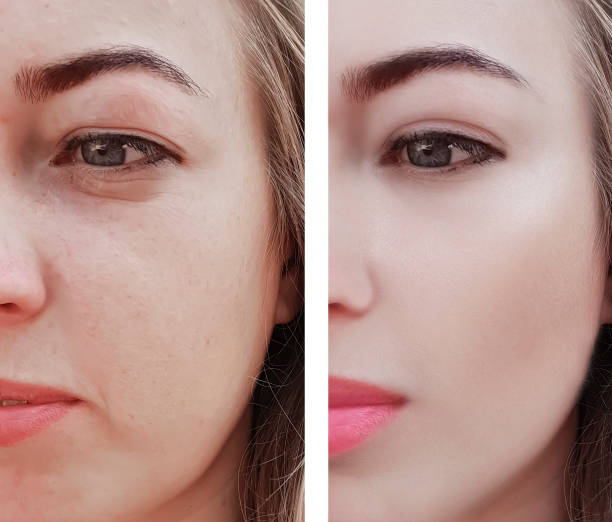
Collagen is one of the major structural proteins found in skin. It helps support firmness, elasticity, and the overall structure of the skin.
As we age, the body naturally produces less collagen. This can eventually contribute to thinner-looking skin, fine lines, and a loss of firmness.
Around the eyes, where the skin is particularly delicate, these changes can become noticeable sooner.
2. Under-Eye Skin Can Become Thinner
The skin surrounding your eyes is much thinner than the skin in many other areas of your face.
As skin changes with age, the area beneath the eyes may appear more delicate and less smooth. Blood vessels and natural shadows can also become more noticeable, contributing to a darker or more tired appearance.
This is one reason the eyes can sometimes make you look older even when the rest of your face appears relatively refreshed.
3. Fine Lines Can Become More Noticeable
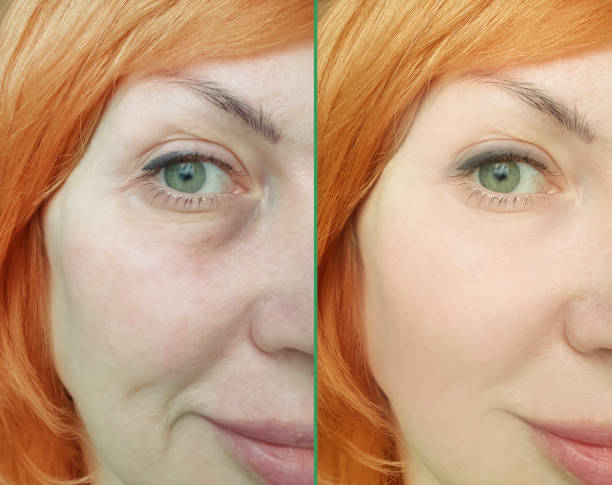
Repeated facial expressions are part of everyday life. Smiling, squinting, and other movements can gradually contribute to the appearance of expression lines.
Combined with natural changes in collagen and skin elasticity, these lines may become increasingly visible around the eyes.
Rather than focusing only on individual wrinkles, it can be helpful to think about overall skin support and maintaining healthy-looking skin as you age.
4. Your Skin May Be Losing Hydration
Dehydrated skin can make fine lines appear more pronounced.
The delicate eye area may particularly benefit from good skincare habits that help maintain moisture and support the skin barrier. Drinking adequate water, using appropriate moisturising products, and avoiding unnecessarily harsh skincare routines can all be part of a sensible approach.
Hydration won’t stop natural ageing, but well-maintained skin can look smoother and more comfortable.
5. Puffiness Can Change the Appearance of Your Eyes
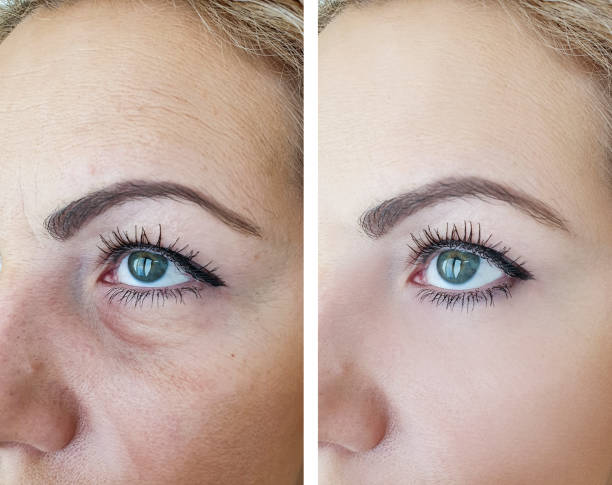
Puffiness is another reason your eyes may look tired.
Temporary puffiness can be influenced by factors such as sleep patterns, allergies, diet, fluid retention, and other everyday circumstances. Genetics and the natural ageing process can also affect how the area around the eyes looks.
When the skin around your eyes appears swollen or puffy, it can create shadows that make you look more fatigued.
6. Sun Exposure Can Affect the Look of Your Skin
Years of sun exposure can contribute to visible skin ageing.
UV exposure is associated with changes in skin texture, pigmentation, and collagen, making sun protection an important part of an anti-ageing skincare routine.
If your goal is to maintain younger-looking skin, protecting your face and eye area from excessive UV exposure is one of the most practical long-term habits you can develop.
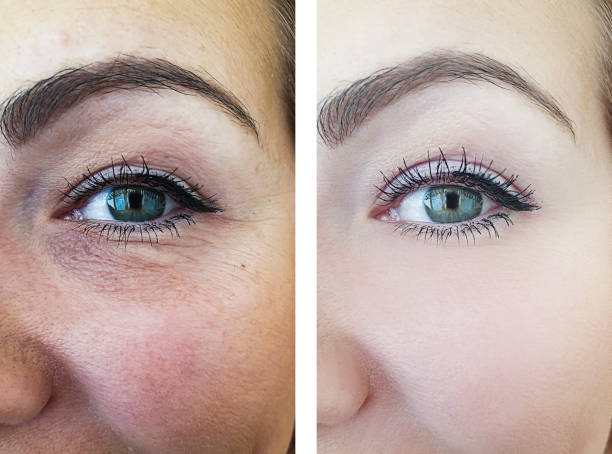
7. Your Lifestyle Can Show Around Your Eyes
Your skin doesn’t exist separately from the rest of your lifestyle.
Stress, inconsistent sleep, smoking, excessive alcohol consumption, poor nutrition, and insufficient hydration can all affect how your skin looks and feels.
This doesn’t mean one late night will suddenly create wrinkles. Rather, your everyday habits can influence the overall appearance of your skin over time.
A consistent routine is generally more useful than searching for a single overnight solution.
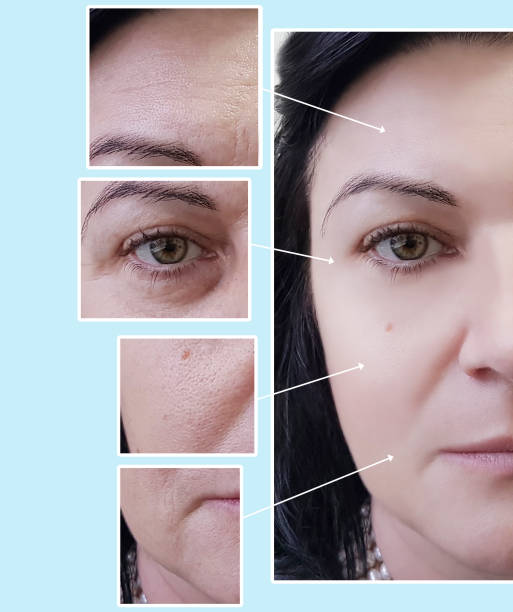
8. Your Skincare Routine May Be Missing the Bigger Picture
Many people concentrate almost entirely on the visible wrinkle.
But healthy-looking, youthful-looking skin involves more than targeting one line at a time.
Collagen support, hydration, sun protection, gentle skincare, nutrition, and healthy lifestyle habits all play different roles. Thinking about the skin as a whole can help you build a more balanced approach to ageing.
This is also where collagen-focused skincare and nutritional products have attracted considerable interest.
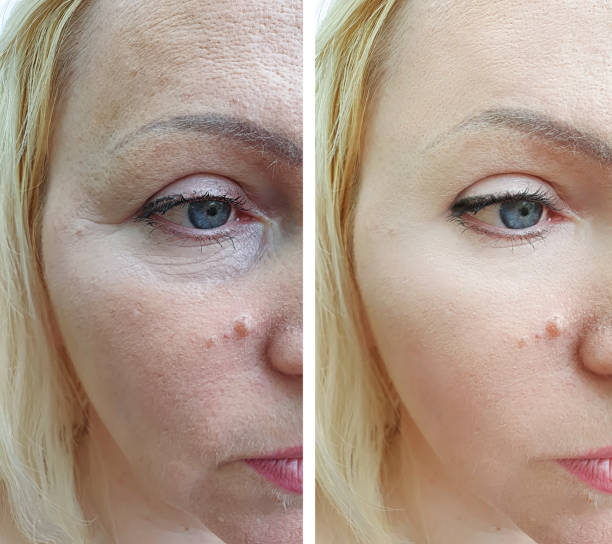
9. Natural Collagen Production Is Changing
Perhaps the biggest underlying factor is simply the passage of time.
Your body continues producing collagen throughout life, but production naturally changes as you get older. That doesn’t mean ageing skin can’t look healthy or attractive. It simply means that maintaining the appearance of firmness and smoothness may require more attention than it did when you were younger.
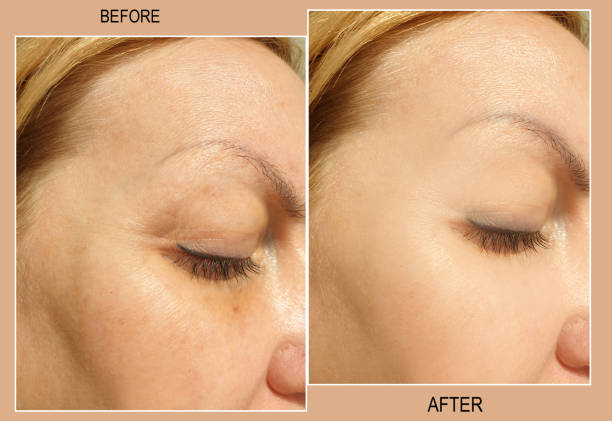
Where Does Kollagen Intensiv Fit In?
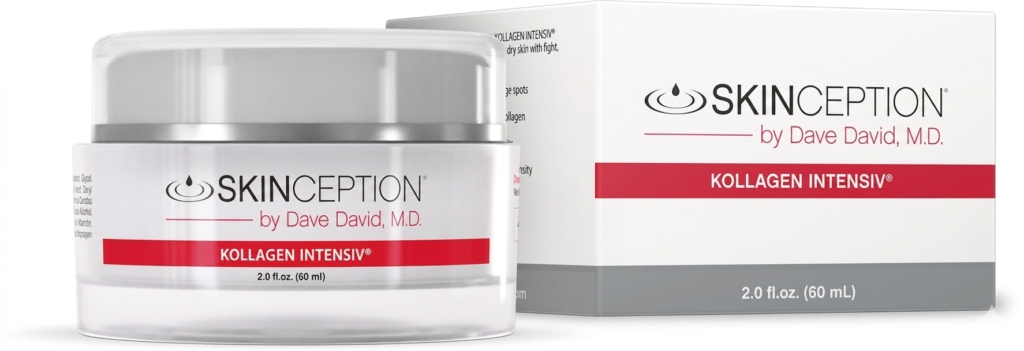
If you’re interested in supporting your skin from within, Kollagen Intensiv® is a collagen-focused product designed around the concept of supporting the body’s natural collagen production.
The product is marketed for people concerned about visible signs of ageing such as wrinkles and loss of skin firmness. Its promotional materials also highlight a clinical study and report a 354% increase in natural collagen production alongside a reduction in wrinkles. Those are product-specific claims, so they shouldn’t be interpreted as a guarantee of results for every individual.
What makes the approach interesting is that it focuses on collagen production rather than simply covering the appearance of fine lines with cosmetics.
Of course, results can vary from person to person, and Kollagen Intensiv should be considered as one part of a broader approach to healthy-looking skin—not a replacement for good nutrition, sun protection, sleep, hydration, or sensible skincare.
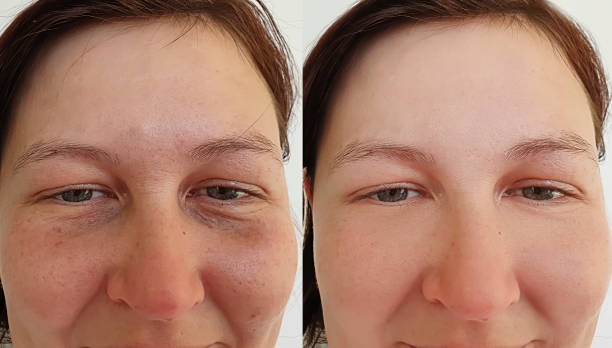
A Younger-Looking Appearance Starts With Understanding Your Skin
If your eyes have started making you look more tired than you actually feel, you’re certainly not alone.
Dark-looking under-eyes, puffiness, fine lines, thinner-looking skin, hydration changes, sun exposure, and declining collagen can all contribute to the appearance.
The important thing is not to panic over every new line in the mirror. Skin naturally changes with age. Instead, focus on the factors you can influence and create a consistent routine that supports your skin over the long term.
For those exploring collagen-focused options, Kollagen Intensiv® may be worth researching as part of that approach.
Your eyes don’t have to tell the whole story of your age. Understanding what is changing—and taking sensible steps to support your skin—can help you work towards a fresher, healthier-looking appearance.