The eye area is often one of the first places where your face can start looking tired, even when you feel perfectly rested. Darker-looking skin, fine lines, puffiness, dryness, or a generally lacklustre appearance can make the eyes seem older and less refreshed.
But what causes this change?
It isn’t always about getting less sleep. The delicate skin around your eyes is constantly exposed to environmental stress, facial movement, dryness, and the natural changes that happen to skin as we age. Over time, collagen production also declines, which can affect the skin’s firmness, smoothness, and overall appearance.
Here are 9 reasons your eye area may look dull and lifeless—and what you can do to support healthier-looking, more youthful-looking skin.
1. Your Skin May Be Losing Collagen
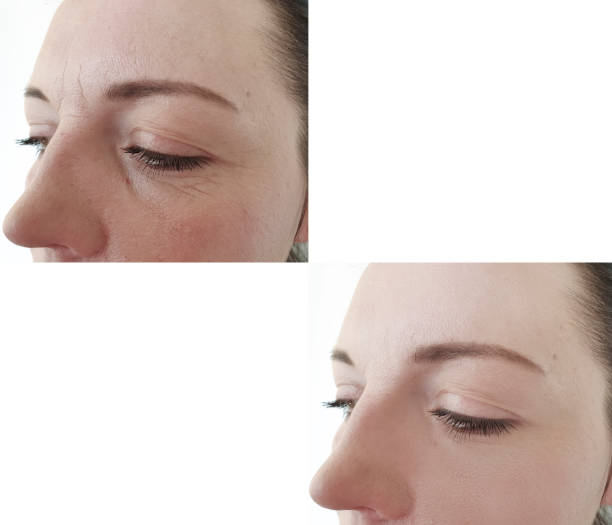
Collagen is one of the key structural proteins found in skin. It helps provide firmness and support, contributing to a smoother appearance.
As we get older, the body’s natural collagen production gradually decreases. This can contribute to changes such as fine lines, reduced firmness, and thinner-looking skin.
Because the skin around the eyes is particularly delicate, these changes can become noticeable there before they are obvious elsewhere on the face.
Supporting your skin from within
Rather than focusing exclusively on surface skincare, some people choose to support their skin by incorporating collagen-focused products into their routine.
2. The Skin Around Your Eyes Is Naturally Delicate
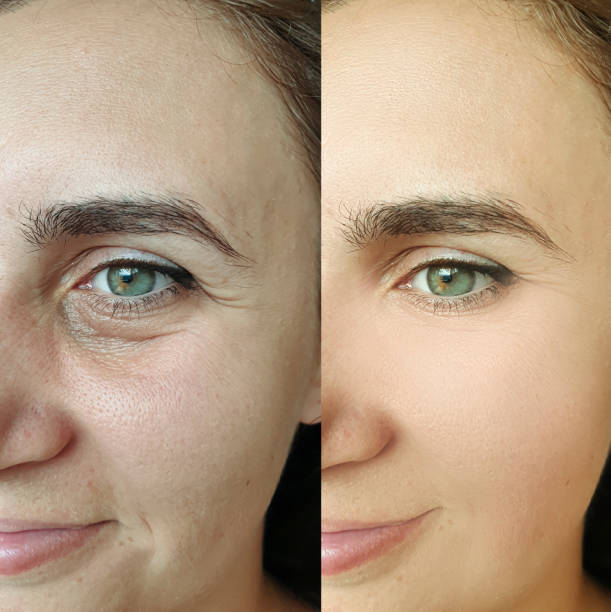
The skin surrounding your eyes is thinner and more delicate than much of the skin on the rest of your face.
That means dryness, fine lines, texture changes, and signs of fatigue can be more visible.
It also means that the eye area can benefit from a gentle skincare routine that focuses on maintaining hydration and protecting the skin rather than aggressively treating it.
3. Dehydrated Skin Can Look Tired
When skin lacks moisture, it can appear rough, flat, or less radiant.
Fine lines may also become more noticeable when the skin’s surface is dry. This can make the entire eye area appear tired, even if the underlying issue is simply a lack of hydration.
Drinking enough water and using suitable moisturising products can help support the skin’s moisture barrier.
4. Everyday Environmental Exposure Adds Up
Your skin encounters environmental stressors every day.
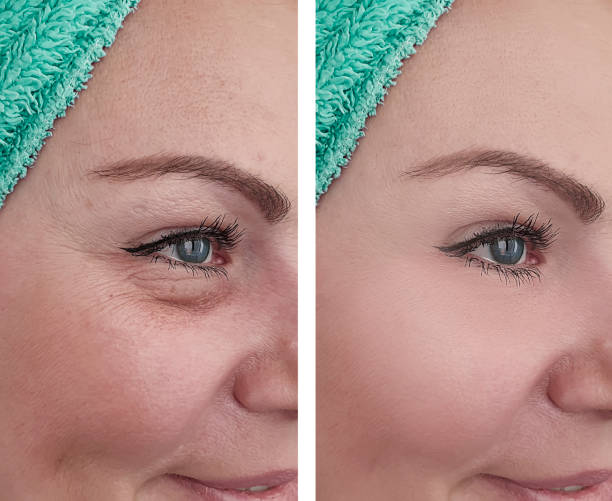
Sun exposure, pollution, wind, and other external factors can contribute to visible skin ageing over time. The cumulative effect may become increasingly noticeable around delicate areas such as the eyes.
That’s one reason daily sun protection is such an important part of a long-term skincare routine.
5. Natural Ageing Changes Skin Texture
Ageing doesn’t happen overnight. Gradual changes take place in the skin over many years.
Cell turnover, hydration, elasticity, and collagen production can all change with age. The result can be a complexion that doesn’t appear quite as smooth or radiant as it once did.
The eye area can make these changes particularly noticeable because of its delicate structure.
6. Repeated Facial Movement Can Highlight Fine Lines
Every day, your eyes and face are constantly moving.
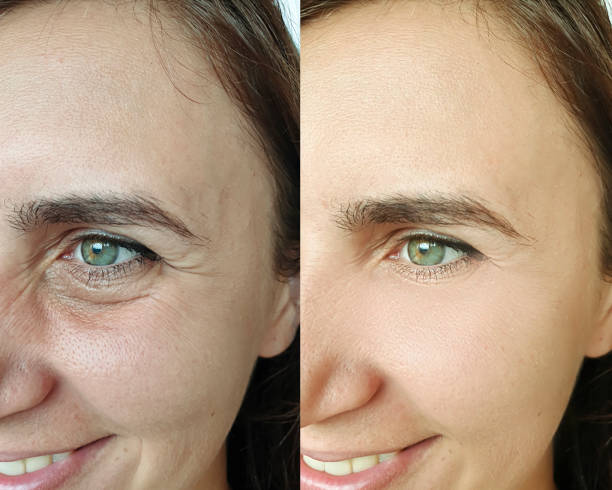
Smiling, squinting, laughing, concentrating, and reacting emotionally all involve facial muscles. Over many years, repeated expressions can contribute to the appearance of expression lines.
These lines are completely normal, but declining skin support and reduced elasticity can make them more visible as we age.
7. Your Skincare Routine May Be Missing More Than One Piece
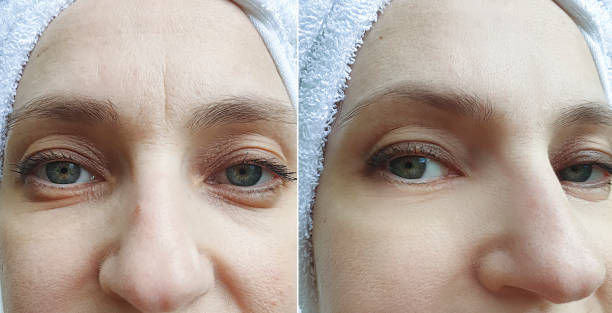
A common mistake is expecting one eye cream or skincare product to address every visible concern.
The appearance of the eye area can be influenced by hydration, environmental exposure, natural ageing, collagen changes, lifestyle factors, and genetics.
A more balanced approach may involve gentle cleansing, moisturising, sun protection, healthy lifestyle habits, and ingredients or nutritional products designed to support skin health.
8. Lifestyle Habits Can Affect How Your Skin Looks
Your skin reflects more than your skincare cabinet.
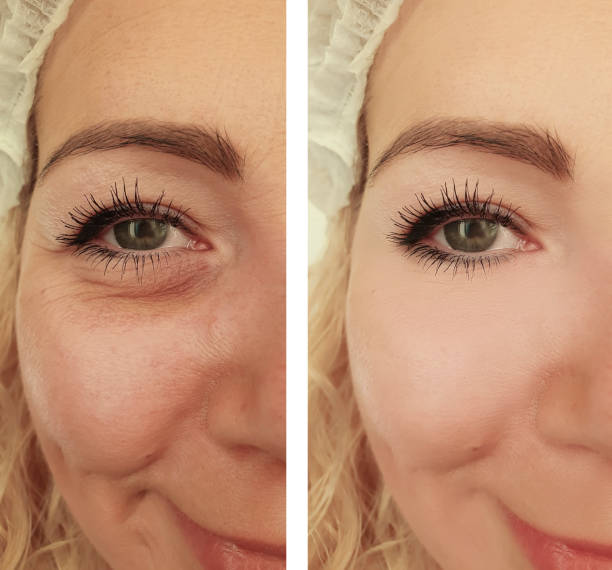
Stress, poor sleep, an unbalanced diet, dehydration, and other lifestyle factors can all influence how your complexion looks from day to day.
This doesn’t mean one bad night’s sleep will suddenly age your skin. Instead, it’s the bigger picture that matters.
Consistent healthy habits can provide a stronger foundation for maintaining a fresh-looking complexion.
9. Your Skin May Need More Support as You Age
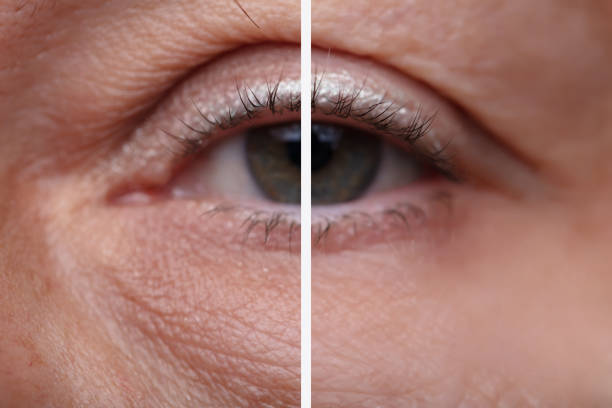
Perhaps the biggest reason your eye area doesn’t look as fresh as it once did is simply that your skin’s needs change over time.
The routine that worked beautifully in your twenties may not provide the same results years later.
As collagen production naturally declines, many people begin looking beyond traditional creams and serums and consider ways to support collagen production as part of their broader skincare routine.
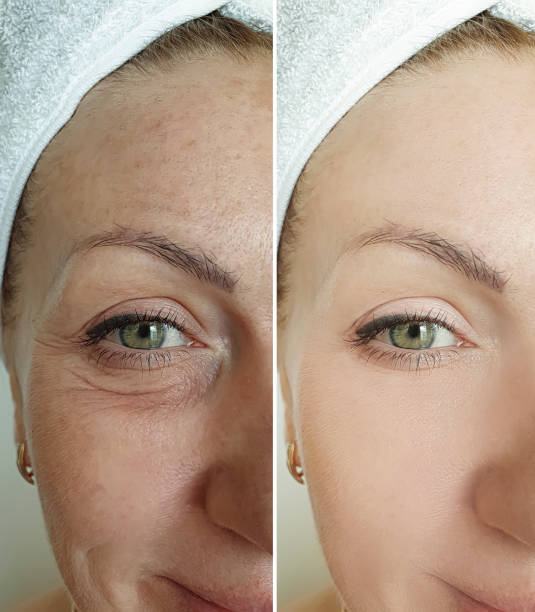
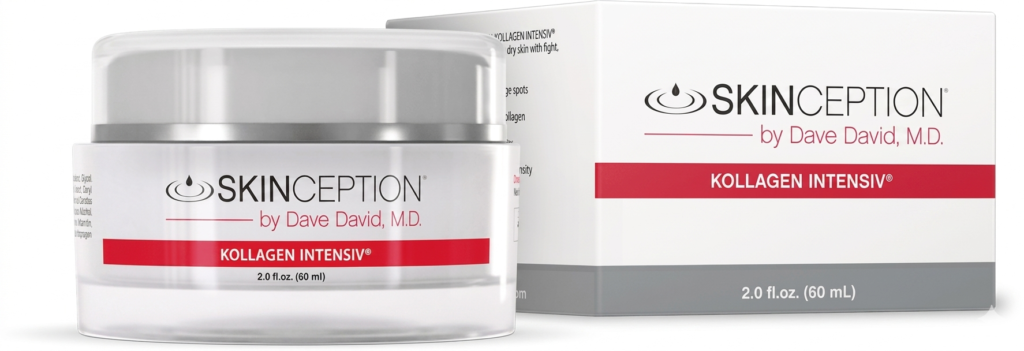
Where Does Kollagen Intensiv® Fit In?
Kollagen Intensiv® is designed around the idea of supporting the body’s natural collagen production.
The product is marketed with claims around supporting natural collagen production and reducing the appearance of wrinkles. Its promotional materials cite clinical results, including a claim of 354% greater collagen production and reduced wrinkles.
Those figures are product-specific claims, so they shouldn’t be interpreted as a guarantee that everyone will experience the same outcome.
Instead, think of Kollagen Intensiv® as one potential addition to a broader approach to skin care—alongside hydration, sun protection, nutritious food, adequate rest, and a consistent skincare routine.
A Younger-Looking Eye Area Starts With the Bigger Picture
If your eyes look dull, tired, or less vibrant than they used to, it may not be one single problem.
The delicate nature of the eye area, natural collagen loss, dehydration, environmental exposure, facial movement, ageing, and lifestyle factors can all contribute to the way your skin looks.
The good news is that you don’t necessarily need to completely overhaul your routine.
Start with the fundamentals: protect your skin from the sun, keep it hydrated, maintain healthy lifestyle habits, and consider whether your current routine provides the type of support your skin needs as you get older.
For those interested in a collagen-focused approach, Kollagen Intensiv® may be worth exploring as part of a consistent beauty and skincare routine.
Your skin changes with time—but understanding why it changes can help you make smarter decisions about how you care for it.
Want to learn more about Kollagen Intensiv® and how it is designed to support natural collagen production? Explore the product and see whether it fits your skincare goals.