Understanding Why Your Eyes May Look Tired Even After a Full Night’s Sleep
The eyes are often the first feature people notice, and they’re also one of the first areas to reveal signs of aging, stress, and lifestyle habits. You may wake up after a full night’s sleep only to find that your eyes still appear tired, puffy, or shadowed. While this can be frustrating, it’s also incredibly common.
The skin around the eyes is much thinner than the rest of the face, making it more vulnerable to changes in hydration, collagen levels, circulation, and environmental exposure. Small shifts that go unnoticed elsewhere often become highly visible beneath the eyes.
The good news is that many of the factors contributing to a less-rested appearance are manageable. Understanding what influences this delicate area can help you build a skincare routine that supports healthier-looking skin over time.

Why the Eye Area Changes So Easily
The under-eye region contains very little natural oil and fewer supportive structures than other areas of the face. As we age, collagen and elastin production naturally slow, making the skin thinner and less resilient.
At the same time, everyday factors such as UV exposure, lack of sleep, dehydration, allergies, and repeated facial expressions can gradually influence how refreshed the eyes appear.
Rather than searching for a single “miracle fix,” it’s often more effective to improve several daily habits that work together to support healthier-looking skin.
1. Natural Collagen Decline
Collagen provides structure and firmness throughout the skin.
Beginning in early adulthood, collagen production gradually decreases each year. As collagen becomes less abundant, the under-eye area may appear thinner, allowing shadows and blood vessels to become more noticeable.
Supporting your skin with sun protection, gentle skincare, and healthy nutrition can help maintain its appearance over time.
2. Dehydrated Skin
Even mild dehydration can make the eye area look dull or slightly sunken.
When skin lacks moisture, fine lines become more visible and the surface loses some of its natural smoothness.
Simple habits that help include:
- Drinking adequate water throughout the day
- Applying a gentle moisturizer morning and night
- Avoiding overly harsh cleansers
- Using a humidifier during very dry seasons if needed
Hydrated skin often reflects light more evenly, helping the eyes appear brighter.
3. Poor Sleep Quality
It’s not only how long you sleep—it also matters how well you sleep.
Interrupted sleep may contribute to:
- Puffiness
- Darker-looking under-eye circles
- Dull skin tone
- Increased signs of fatigue
Creating a consistent bedtime routine and limiting screen exposure before bed may improve sleep quality over time.
4. Sun Exposure
The eye area receives significant sun exposure every day.
Ultraviolet (UV) rays accelerate the breakdown of collagen and elastin, contributing to earlier visible signs of skin aging.
Daily sunscreen remains one of the simplest ways to help protect this delicate skin.
Don’t forget sunglasses as well—they help reduce UV exposure while also minimizing repeated squinting.
5. Allergies and Eye Rubbing
Seasonal allergies often cause itching and irritation.
Frequent rubbing can temporarily increase swelling while also placing repeated mechanical stress on delicate skin.
If allergies regularly affect your eyes:
- Identify potential triggers
- Keep the eye area clean
- Avoid rubbing whenever possible
- Speak with your healthcare provider if symptoms persist
Treating the underlying irritation is often more effective than focusing only on cosmetic concerns.
6. Lifestyle Habits
Several everyday habits quietly influence how refreshed your eyes appear.
These include:
Smoking
Smoking accelerates oxidative stress, which contributes to collagen breakdown.
Excess Alcohol
Alcohol may contribute to dehydration, making fine lines more noticeable.
High Stress
Long-term stress can interfere with sleep quality and healthy skincare habits.
Poor Nutrition
A balanced diet rich in colorful fruits, vegetables, healthy fats, and protein provides nutrients that support overall skin health.
Small lifestyle improvements often produce noticeable changes over time.
7. Genetics
Sometimes the appearance of tired eyes simply runs in the family.
Some people naturally have the following:
- Deeper tear troughs
- More visible pigmentation
- Thinner under-eye skin
- A tendency toward puffiness
While genetics cannot be changed, consistent skincare and healthy habits can still improve the overall appearance of the eye area.
8. Repeated Facial Expressions
Smiling, laughing, and squinting are natural parts of life.
Over many years, repeated muscle movements contribute to the gradual development of expression lines around the eyes.
There’s no need to avoid smiling—but protecting your skin from unnecessary sun exposure and maintaining good hydration can help support smoother-looking skin.
9. Using the Wrong Skincare Products
The delicate eye area responds best to gentle care.
Using products that are too harsh or applying excessive amounts of active ingredients may lead to irritation, dryness, or temporary redness.
Instead, look for products designed to support hydration and maintain the skin barrier.
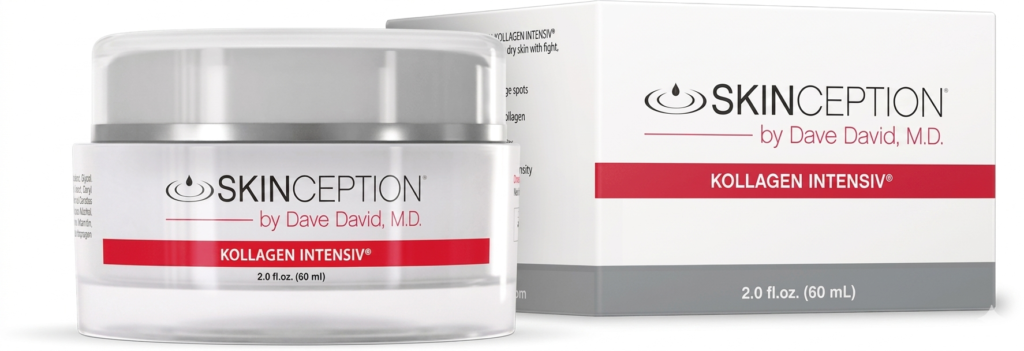
Some people choose to include products such as Kollagen Intensiv within a broader skincare routine alongside sunscreen, moisturizers, healthy nutrition, and consistent daily skincare. While no topical product can stop the natural aging process, maintaining a consistent routine may help improve the overall appearance and feel of the skin.

Common Mistakes That Can Make Eyes Look More Tired
Many people unintentionally make simple mistakes that affect the eye area.
These include:
Skipping Daily Sunscreen
UV exposure happens even on cloudy days.
Using Too Much Product
More isn’t always better. Excess product may irritate sensitive skin.
Sleeping with Makeup On
Leaving makeup overnight may increase irritation and dryness.
Ignoring Hydration
Both internal hydration and topical moisturizers help support healthy-looking skin.
Expecting Overnight Results
Healthy skin improvements usually develop gradually through consistent care.
Practical Tips for Brighter-Looking Eyes
Small daily habits often make the biggest difference.
Try incorporating these into your routine:
- Wear SPF every morning.
- Get consistent, quality sleep.
- Stay well hydrated.
- Eat a nutrient-rich diet.
- Wear sunglasses outdoors.
- Remove makeup gently each evening.
- Moisturize the eye area consistently.
- Avoid unnecessary rubbing.
- Manage stress where possible.
- Stay consistent with your skincare routine.
These habits support healthier-looking skin over the long term.
Quick Takeaways
- The under-eye area naturally changes with age.
- Collagen loss makes skin thinner over time.
- Hydration plays an important role in skin appearance.
- Sun protection helps preserve skin health.
- Lifestyle habits influence how rested your eyes appear.
- Genetics contribute but don’t determine everything.
- Gentle, consistent skincare usually produces the best long-term results.
- Products like Kollagen Intensiv can be one part of a balanced skincare routine.
Frequently Asked Questions
Why do my eyes look tired even after sleeping?
Sleep is only one factor. Hydration, collagen changes, genetics, allergies, stress, and sun exposure can all influence the appearance of the under-eye area.
Can dehydration really affect under-eye skin?
Yes. Dehydrated skin may appear less smooth, making fine lines and shadows more noticeable.
Does sunscreen help around the eyes?
Using sunscreen formulated for facial use around the eye area, while avoiding direct contact with the eyes, can help reduce UV-related skin aging.
Is collagen loss a normal part of aging?
Yes. Natural collagen production gradually declines with age, which affects skin firmness throughout the face, including beneath the eyes.
Can a skincare routine improve the appearance of tired-looking eyes?
A consistent routine that includes cleansing, moisturizing, sun protection, and healthy lifestyle habits can help support smoother, healthier-looking skin over time.

Conclusion
Looking less rested isn’t always a reflection of how much sleep you’ve had. The appearance of your eyes is influenced by many interconnected factors, including collagen levels, hydration, genetics, sun exposure, lifestyle habits, and the natural aging process.
Rather than chasing quick fixes, focus on building simple daily habits that support healthy skin over the long term. Gentle skincare, quality sleep, good nutrition, and daily sun protection can all contribute to a fresher-looking appearance.
If you’re exploring ways to enhance your skincare routine, products such as Kollagen Intensiv may be worth considering as one component of a comprehensive approach. Combined with consistent healthy habits, informed skincare choices can help you maintain brighter, healthier-looking skin around the eyes for years to come.
⭐⭐⭐⭐⭐ Trusted by 1000+ customers • 67-Day Money Back • 100% Guarantee