Ageing skin does not change because of one single factor. Over time, everyday habits, environmental exposure, stress, sleep patterns, hydration, diet, and the natural decline in collagen production can all influence how your skin looks and feels.
You may notice that your skin seems less firm than it once was, fine lines are more noticeable, or your complexion doesn’t bounce back quite as quickly. These changes are a normal part of getting older—but understanding what can influence them may help you make smarter choices for your skincare routine.
Here are nine everyday changes worth paying attention to if you’re trying to maintain a healthier-looking, more youthful complexion as you age.
1. Getting Less Sleep
Your skin doesn’t stop functioning while you’re asleep. Rest is an important part of your body’s normal repair and renewal processes.
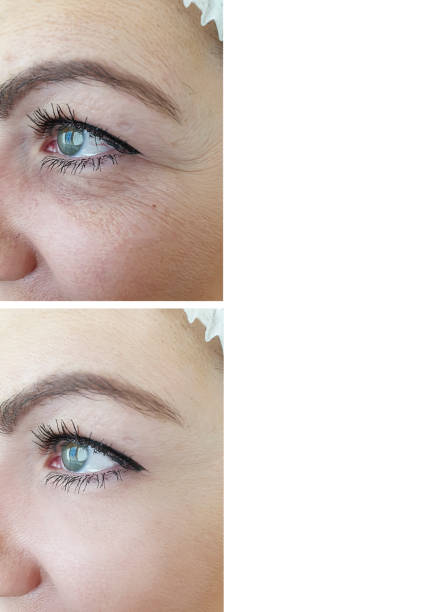
When sleep becomes inconsistent, your complexion may look dull or tired, and the delicate skin around the eyes can appear particularly noticeable.
Rather than focusing only on expensive skincare products, consider whether you’re consistently giving your body enough time to rest.
2. Spending More Time in the Sun
Sun exposure is one of the biggest environmental factors affecting the appearance of ageing skin.
Over the years, repeated exposure can contribute to visible changes such as uneven pigmentation, rougher-looking texture, and the appearance of fine lines.
Protecting your skin from excessive UV exposure should therefore be part of an overall approach to maintaining its appearance. Sunscreen, protective clothing, shade, and sensible sun habits can all play a role.
3. Not Drinking Enough Water
Hydration can influence how your skin looks and feels.
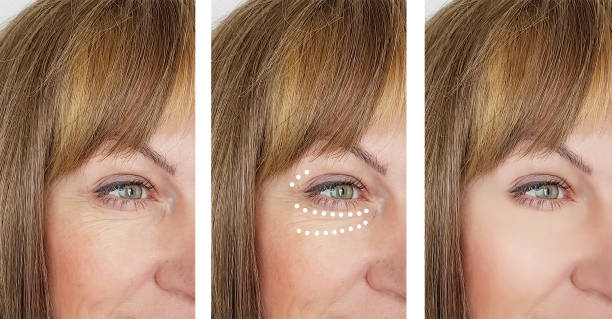
When your body isn’t getting enough fluids, your skin may appear less fresh and more tired. Dehydrated skin can also make existing lines seem more noticeable.
Drinking water regularly is a simple habit, although hydration alone cannot reverse the natural ageing process. Think of it as one small part of a broader skincare strategy.
4. Eating Differently Than You Used To
As we get older, eating habits can change. Busy schedules, convenience foods, and changes in appetite can all affect the balance of nutrients in your diet.
Skin is a living tissue and depends on a range of nutrients for normal function. A varied diet containing fruits, vegetables, protein, healthy fats, and other nutrient-rich foods can support overall wellbeing.
The goal isn’t perfection. Consistently making nutritious choices is far more realistic than trying to follow an extreme diet.
5. Everyday Stress
Stress can affect much more than your mood.
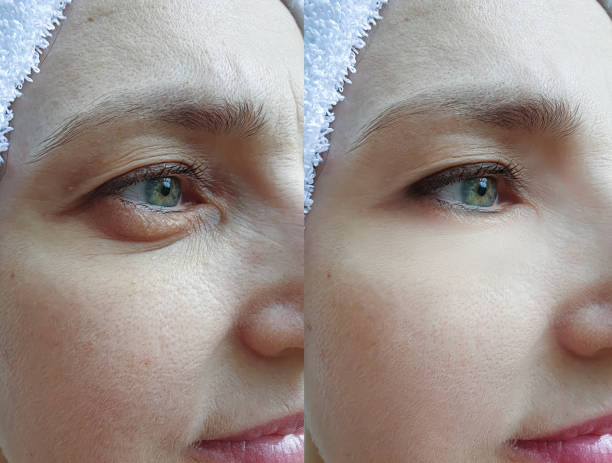
Long periods of stress may interfere with sleep, influence everyday habits, and make it harder to maintain a consistent skincare routine. When several of these factors happen together, your skin can end up looking more tired.
Finding manageable ways to unwind—whether that’s walking, exercising, reading, spending time outdoors, or simply creating quiet time—can be beneficial for your overall routine.
6. Your Natural Collagen Production Changes
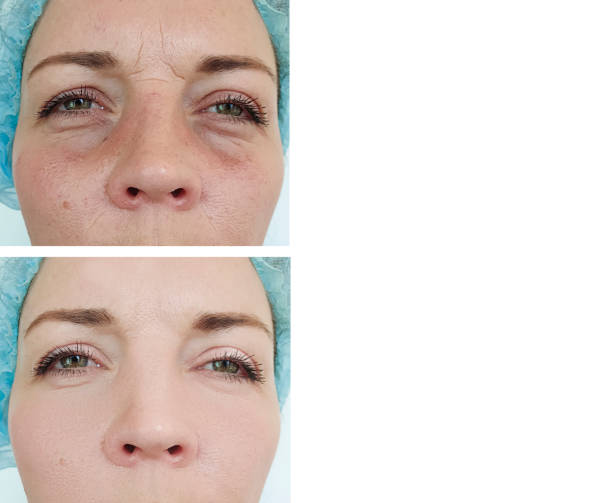
Collagen is one of the structural proteins associated with skin’s firmness and support.
Your body naturally produces collagen, but production generally declines as you age. This is one reason mature skin can gradually become less firm and why lines and wrinkles may become more apparent.
This natural change is important to understand because it explains why simply applying another product to the surface of your skin may not address every aspect of skin ageing.
7. Your Skincare Routine May No Longer Suit You
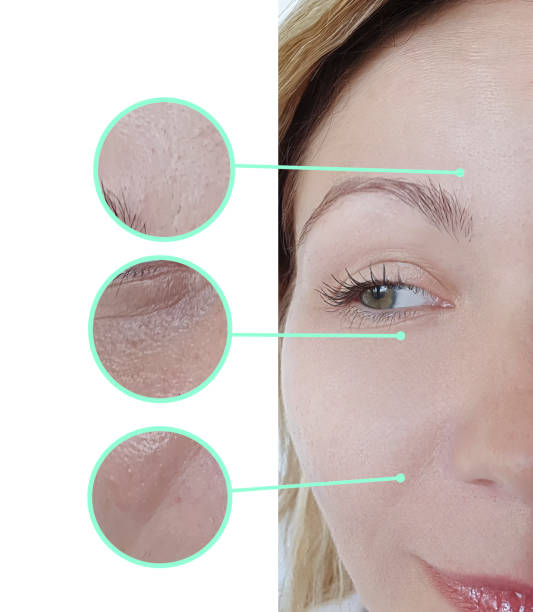
The products that worked perfectly in your twenties may not feel the same years later.
Skin can become drier or more sensitive with age, and your priorities may change from controlling occasional breakouts to maintaining moisture, firmness, and a smoother-looking complexion.
Instead of constantly adding new products, consider simplifying your routine and choosing products that complement your current skin needs.
8. Less Physical Activity
Exercise isn’t a skincare product, but regular physical activity supports general health and circulation.
If you’ve become less active over the years, reintroducing enjoyable movement can be a positive lifestyle change. Walking, stretching, cycling, swimming, or strength training can all be ways to stay active.
The best routine is usually the one you can maintain consistently.
9. Forgetting the Small Habits
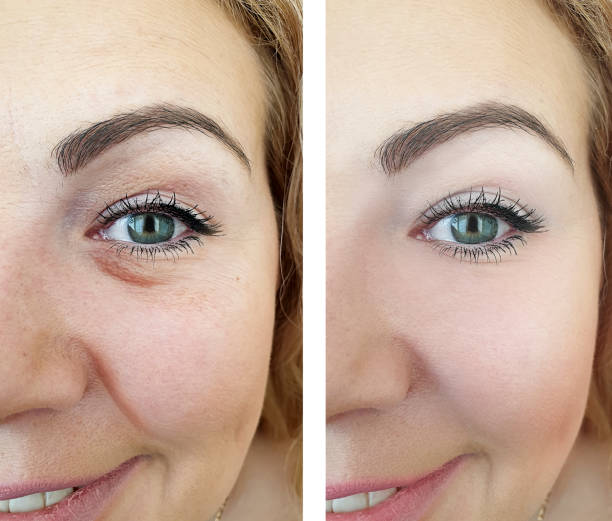
Sometimes it’s not one major lifestyle change that makes a difference to your appearance. It’s the accumulation of small habits.
Skipping sunscreen occasionally, staying up too late, neglecting hydration, eating poorly during busy weeks, and abandoning your skincare routine can gradually become the norm.
The encouraging part is that small positive habits can work the same way. Consistency matters.
Where Does Kollagen Intensiv Fit In?
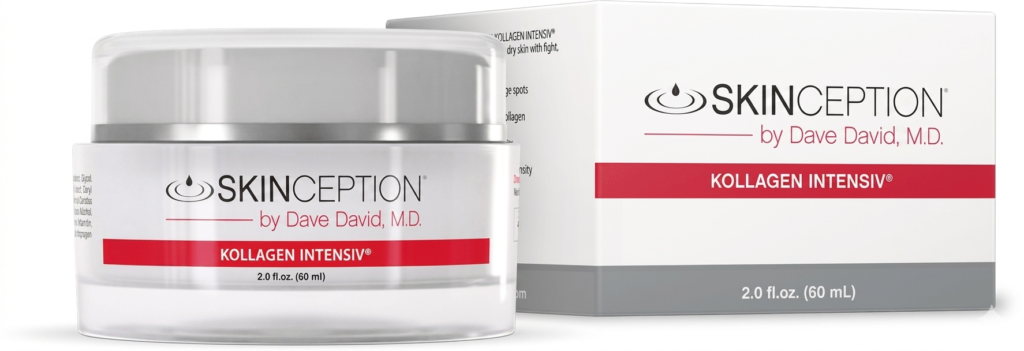
If you’re already paying attention to your skincare routine and want to look beyond topical products, you may also come across collagen-focused supplements such as Kollagen Intensiv®.
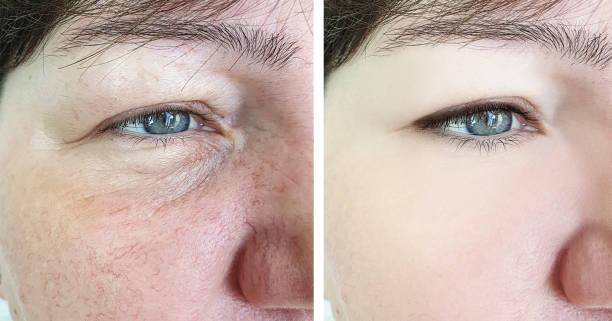
Kollagen Intensiv is marketed as a product designed to support the body’s natural collagen production. The company promotes it specifically around skin firmness, wrinkles, and the visible signs of ageing.
Its marketing materials also reference clinical research and make a claim about accelerating natural collagen production and reducing wrinkles. Those claims should be considered in the context of the company’s published evidence rather than treated as a guarantee of individual results.
The important point is that a collagen-focused supplement should complement—not replace—a sensible approach to skincare, nutrition, sun protection, sleep, and general wellbeing.
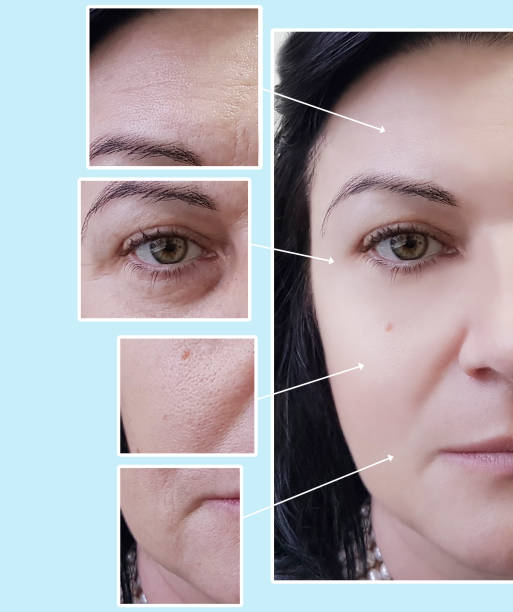
A More Complete Approach to Ageing Skin
There isn’t one magic habit that suddenly stops skin from ageing.
Instead, think about your skin as part of your overall lifestyle. Protect it from excessive sun exposure. Stay hydrated. Eat a varied diet. Prioritise sleep. Stay active. Manage stress where possible. And choose skincare and nutritional products that fit your personal goals.
Collagen is particularly interesting because the body’s natural production changes with age. Understanding that process can help explain why your skin may gradually look different even when your daily skincare routine hasn’t changed.
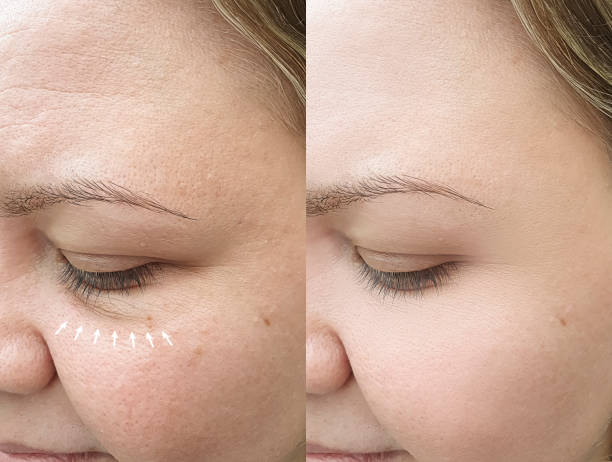
Final Thoughts
Your skin doesn’t suddenly become “old”. It changes gradually, influenced by both natural ageing and the everyday environment around you.
The nine changes above are reminders that youthful-looking skin isn’t simply about finding another cream. Your lifestyle, sun habits, nutrition, hydration, sleep, activity levels, and natural collagen production can all be part of the bigger picture.
If you’re looking for an additional collagen-focused option, Kollagen Intensiv® may be worth researching as part of your overall approach. Take time to review the product information and research behind its claims, and consider whether it fits your individual needs.
The best skincare strategy is one you can stick with consistently—because small, sensible choices made every day can add up over time.