Discover the everyday habits, environmental factors, and natural skin changes that can influence how your eye area looks—and what you can do to help it appear smoother, brighter, and more refreshed.
One morning, you may catch your reflection and wonder why your eyes suddenly look more tired than you feel. Perhaps fine lines seem more noticeable, the under-eye area appears puffier, or dark shadows have become harder to conceal.
The good news is that these changes rarely happen because of one single reason. Instead, they’re often the result of several everyday factors working together over time.
Understanding what influences the appearance of your eye area is one of the smartest steps you can take toward healthier-looking skin. Once you know what may be contributing, it’s much easier to make small adjustments that support long-term results.
Why Eye Area Changes Matter
The skin around your eyes is among the thinnest anywhere on your body. It contains less oil, fewer supportive structures, and is constantly moving every time you smile, blink, or squint.
Because of this, the eye area often becomes the first place where lifestyle habits and natural ageing become visible.
Although these changes are completely normal, many women want their eyes to reflect how energetic and confident they actually feel.

Common Mistakes That Can Make Eye Concerns More Noticeable
Many people focus only on treating the symptoms instead of addressing the daily habits behind them.
Some of the most common mistakes include:
- Skipping daily hydration
- Rubbing or pulling at the delicate eye area
- Forgetting sunscreen around the eyes
- Using harsh skincare products too close to the eyelids
- Not getting consistent, quality sleep
- Ignoring nutrition and stress management
While none of these habits alone determines how your skin will look, together they can gradually influence the appearance of the under-eye area.
Understanding the Most Common Causes

Natural Collagen Changes
As we age, our bodies naturally produce less collagen and elastin.
These proteins help maintain skin firmness and elasticity. Over time, their gradual decline can make the skin beneath the eyes appear thinner, making fine lines and shadows more visible.
This process is completely natural, but supporting healthy skin through consistent skincare can help improve the overall appearance.
Daily Sun Exposure
Even small amounts of unprotected sun exposure add up over the years.
Ultraviolet (UV) rays can contribute to premature skin ageing by affecting collagen and elastin, particularly around the delicate eye area.
Wearing sunglasses and applying sunscreen daily are simple habits that may help protect this sensitive skin.
Lack of Quality Sleep
Sleep is one of your skin’s most valuable recovery periods.
Poor sleep doesn’t directly create wrinkles overnight, but it can make the eyes appear:
- Puffier
- Less refreshed
- Darker underneath
- More fatigued
Creating a consistent bedtime routine can support both your overall well-being and the appearance of your skin.

Dehydrated Skin
When skin lacks moisture, fine lines often appear more noticeable.
The eye area naturally contains fewer oil glands, making it especially vulnerable to dryness.
Drinking enough water and using moisturising skincare products may help the skin look smoother and more supple.
Repetitive Facial Expressions
Smiling, laughing, blinking, and squinting are part of everyday life.
Over many years, repeated muscle movement can contribute to expression lines around the eyes.
There’s certainly no reason to stop smiling, but protecting your skin from excessive sun exposure and maintaining hydration can support a healthier-looking appearance.
Seasonal and Environmental Stress
Cold weather, dry indoor heating, pollution, and wind can all affect the skin barrier.
When the skin barrier becomes compromised, the eye area may appear
- Drier
- Rougher
- More sensitive
- Less radiant
Gentle cleansing and barrier-supporting skincare become especially important during seasonal changes.
Lifestyle Habits
Your everyday routine influences your skin more than many people realise.
Factors that may contribute to visible eye concerns include:
- Smoking
- Excessive alcohol intake
- Chronic stress
- Poor dietary habits
- Limited physical activity
Healthy lifestyle choices don’t just benefit your body—they often show on your skin as well.
Looking for Extra Support?
If you’re already following healthy skincare habits but want additional support, many women choose collagen-focused skincare products designed specifically for mature-looking skin.
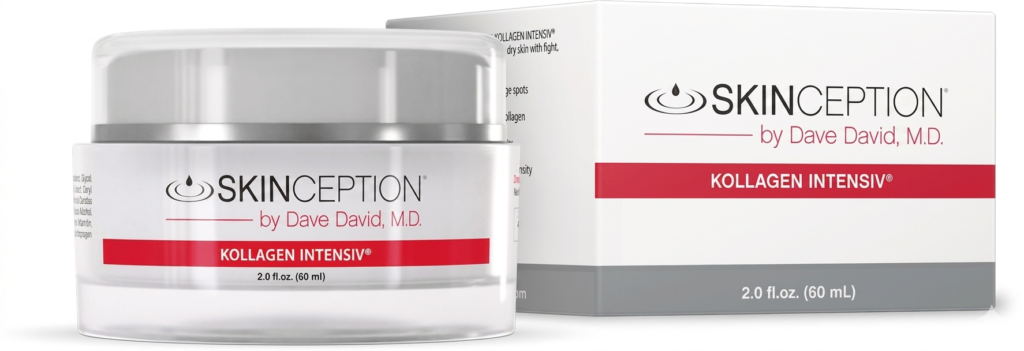
One option is Kollagen Intensiv, a topical skincare formula created to support smoother, firmer-looking skin around the eyes and face. Rather than promising unrealistic results, it focuses on nourishing the skin with moisturising and skin-supporting ingredients that complement a consistent skincare routine.
When paired with good daily habits, products like this may help improve the appearance of tired-looking skin over time.
Genetics
Sometimes, certain eye area characteristics simply run in families.
Genetics may influence:
- Skin thickness
- Natural pigmentation
- Fat distribution beneath the eyes
- Overall facial structure
While genetics can’t be changed, healthy skincare habits can still help your skin look its best.
Everyday Eye Strain
Hours spent looking at computers, tablets, and smartphones often lead to squinting and eye fatigue.
Although screen time doesn’t directly cause wrinkles, tired eyes may appear less vibrant throughout the day.
Remember the 20-20-20 rule:
Every 20 minutes, look at something about 20 feet away for 20 seconds to give your eyes a short break.
Why Many Women Overlook These Factors
It’s easy to assume that one expensive cream will solve every concern.
In reality, healthier-looking skin usually comes from combining multiple habits consistently.
Many women underestimate the importance of:
- Daily sun protection
- Consistent hydration
- Gentle cleansing
- High-quality sleep
- Long-term skincare routines
- Healthy nutrition
Small improvements practised consistently often produce better results than dramatic short-term changes.
Myth vs. Fact
Myth: Eye concerns are only caused by ageing.
Fact: Lifestyle, sun exposure, hydration, sleep, genetics, and skincare habits all play important roles.
Myth: Drinking more water instantly removes under-eye concerns.
Fact: Hydration supports healthy-looking skin, but it works best alongside a balanced skincare routine.
Myth: The most expensive product always works best.
Fact: Consistency and choosing products suited to your skin are generally more important than price alone.
Myth: It’s too late to improve the appearance of the eye area.
Fact: Healthy habits and appropriate skincare can help support smoother, healthier-looking skin at many ages.
Practical Tips You Can Start Today
Supporting your eye area doesn’t require complicated routines.
Try incorporating these habits:
- Wear SPF every day.
- Remove makeup gently before bed.
- Sleep seven to nine hours whenever possible.
- Stay hydrated throughout the day.
- Eat a diet rich in colourful fruits and vegetables.
- Wear sunglasses outdoors.
- Use a moisturiser formulated for delicate skin.
- Be consistent with your skincare routine rather than constantly switching products.
Over time, these small actions can contribute to healthier-looking skin.
Frequently Asked Questions

What causes the skin around the eyes to change first?
The skin around the eyes is thinner, contains fewer oil glands, and experiences constant movement, making it more susceptible to visible changes over time.
Can lifestyle habits really affect the appearance of the eye area?
Yes. Factors such as sleep, hydration, sun exposure, nutrition, and stress can all influence how refreshed and healthy the skin appears.
Does collagen naturally decrease with age?
Yes. Natural collagen production gradually declines over time, which can contribute to changes in skin firmness and elasticity.
Is sunscreen important around the eyes?
Absolutely. Daily sun protection helps defend delicate skin from UV exposure, one of the leading contributors to premature skin ageing.
Can skincare products completely stop ageing?
No skincare product can stop the natural ageing process. However, consistent skincare may help support healthier-looking, well-hydrated skin and improve the appearance of fine lines and dryness.

Key Takeaways
Healthy-looking eyes are influenced by much more than age alone.
Remember these essentials:
- Collagen naturally changes over time.
- Daily sun protection matters.
- Hydration supports smoother-looking skin.
- Sleep affects how refreshed your eyes appear.
- Consistent skincare often produces better long-term results than quick fixes.
- Healthy lifestyle habits work together to support overall skin health.
Conclusion
The eye area tells a story—not just about age, but about daily habits, lifestyle choices, and how consistently we care for our skin.
Rather than searching for a miracle solution, focus on building routines that support healthier-looking skin over time. Small improvements, repeated every day, often make the biggest difference.
If you’re looking to complement your skincare routine with a collagen-focused topical product, Kollagen Intensiv may be worth exploring. It is designed to support smoother, more hydrated, and healthier-looking skin around the eyes as part of a balanced daily routine.
If you’d like to learn more about how Kollagen Intensiv works, the ingredients it contains, and whether it may be a good fit for your skincare goals, click the affiliate link below to explore additional information. An informed decision is always the best investment in your skin.
⭐⭐⭐⭐⭐ Trusted by Thousands of Happy Customers • 67-Day Money-Back Guarantee