If your eyes seem to look a little different than they used to, you’re not imagining it. As women get older, the skin around the eyes can gradually change in ways that make the face appear more tired, even when you feel perfectly rested.
The delicate eye area is especially noticeable because the skin there is thinner and contains less structural support than many other areas of the face. Over time, natural collagen production declines, hydration can change, and repeated facial expressions can contribute to visible lines.
Here are eight common changes women often notice—and what may be happening beneath the surface.
1. Fine Lines Become More Noticeable
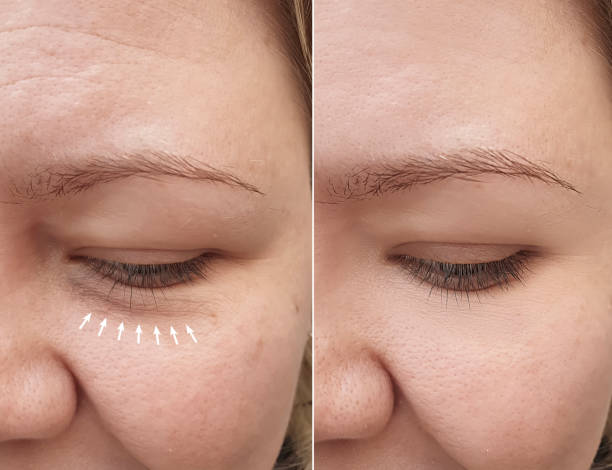
One of the earliest changes around the eyes is the appearance of fine lines.
You may first notice them when smiling or squinting, but over time they can become visible even when your face is relaxed. This is partly related to the natural reduction in collagen and other structural components that help skin maintain firmness and elasticity.
Why collagen matters
Collagen provides much of the skin’s supportive framework. As natural collagen production decreases with age, skin can gradually lose some of its youthful-looking smoothness and resilience.
2. The Skin Around the Eyes Can Look Thinner
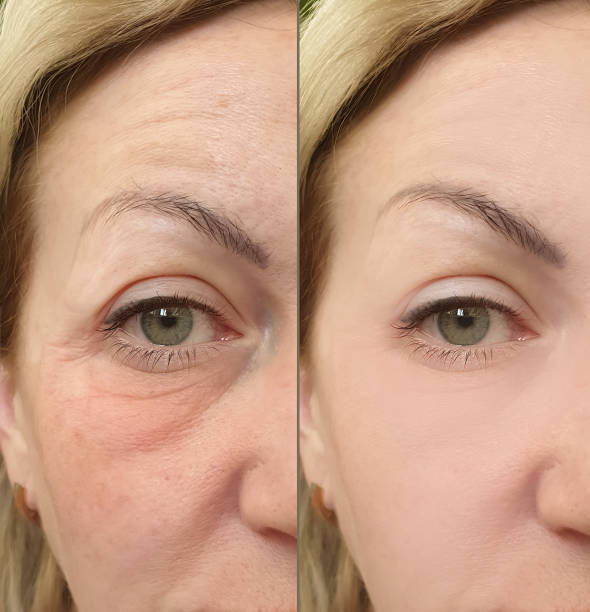
The skin surrounding the eyes is naturally delicate. As it ages, it may appear thinner and less plump than it once did.
This can make underlying shadows and changes in texture more noticeable. What once looked like a smooth, refreshed eye area may gradually take on a more delicate or tired appearance.
3. Dark Circles May Look More Obvious
Dark circles can have many causes, including genetics, pigmentation, lifestyle factors, and the way light interacts with the skin around the eyes.
Age-related changes can sometimes make their appearance more noticeable. Thinner-looking skin and changes in the area beneath the eyes may contribute to a more shadowed appearance.
This doesn’t necessarily mean you’re more tired. Sometimes, your skin is simply changing with age.
4. Under-Eye Puffiness Can Stand Out More
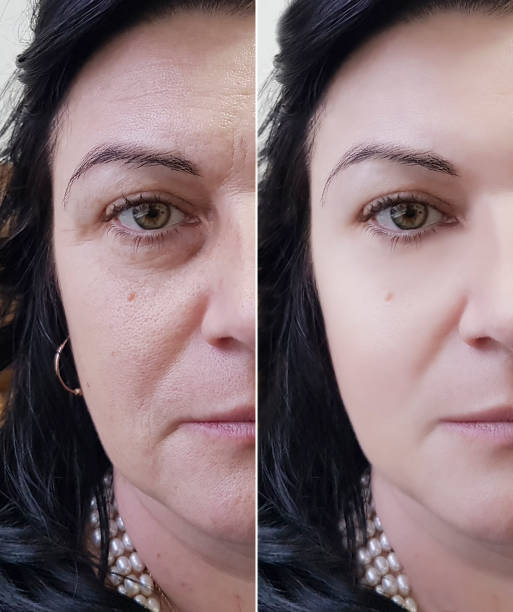
Another common observation is that the area beneath the eyes doesn’t always look as smooth as it once did.
Temporary puffiness can be influenced by sleep, allergies, diet, fluid balance, and other everyday factors. At the same time, age-related changes in skin structure can affect how the area looks overall.
That’s why someone can wake up feeling refreshed but still feel that their eyes look tired.
5. Crow’s Feet Can Become Deeper
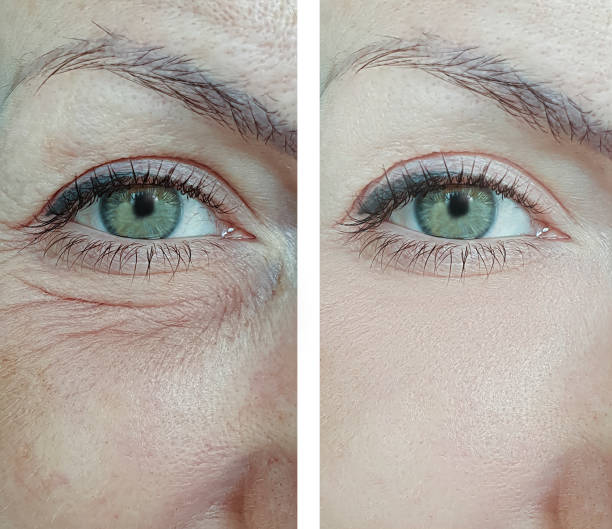
Those little lines extending outward from the corners of the eyes are commonly called crow’s feet.
They develop partly because we repeatedly move the muscles around our eyes when smiling, laughing, and squinting. Over many years, these repeated movements occur alongside gradual changes in skin elasticity and collagen.
The result can be lines that become increasingly visible.
6. The Eye Area May Look Less Firm
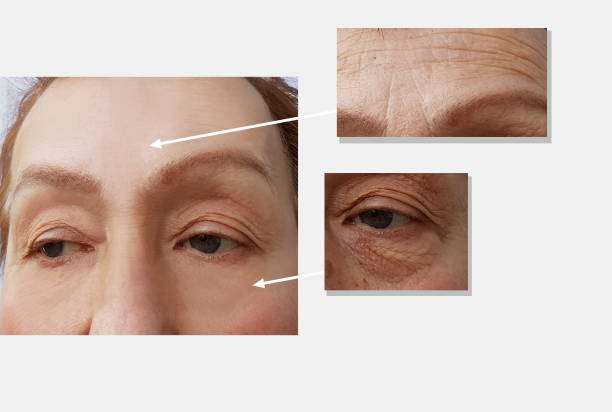
Youthful-looking skin tends to have a combination of firmness, elasticity, and hydration.
With age, the skin’s ability to maintain that appearance can change. Reduced collagen production is one part of this process, which may contribute to skin appearing less firm or resilient.
For many women, this is when they begin paying closer attention to ingredients and routines designed to support healthy-looking, youthful skin.
7. Your Eyes May Make You Look More Tired
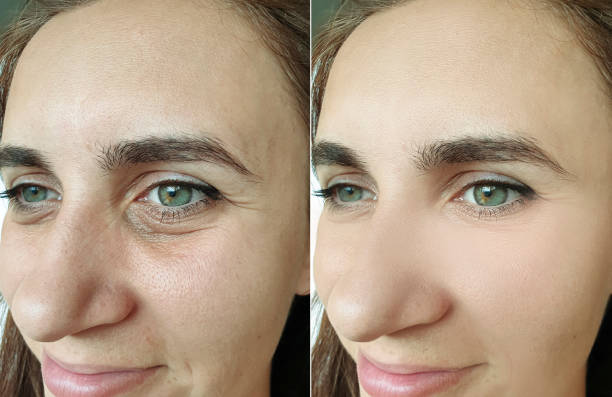
Perhaps the most frustrating change is when your eyes make you look tired even when you’re not.
Fine lines, shadows, puffiness, pigmentation, and changes in skin texture can combine to create a more fatigued-looking appearance.
It’s one reason the eye area can have such a noticeable effect on the overall appearance of the face.
8. Makeup May Sit Differently Around Your Eyes
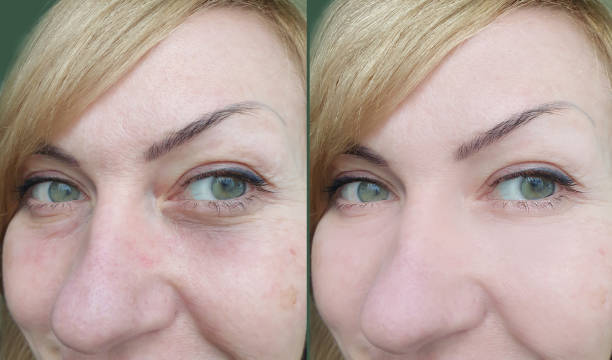
Many women notice this change without immediately connecting it to skin aging.
Foundation or concealer that once blended smoothly may begin settling into fine lines. Powder can make texture more visible, while heavier makeup may emphasize areas that previously needed very little coverage.
This is often a reminder that skincare needs can evolve as your skin changes.
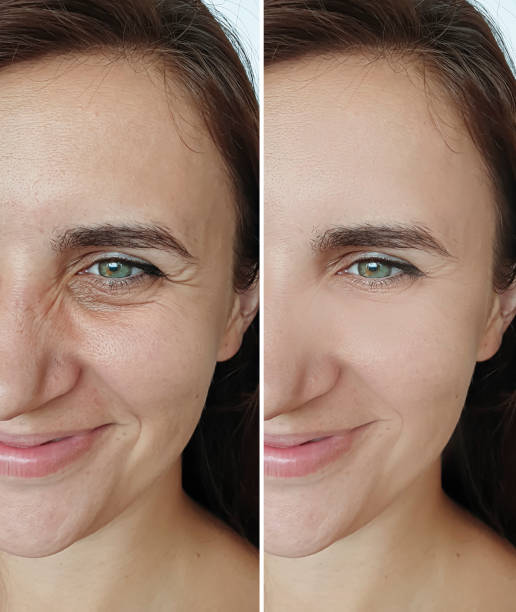
What Can You Do About Age-Related Skin Changes?
Aging is completely natural, but there are ways to support healthier-looking skin.
A consistent skincare routine can include daily sun protection, gentle cleansing, adequate hydration, and products formulated with ingredients that support the appearance and function of aging skin.
Lifestyle habits matter too. Getting enough sleep, eating a balanced diet, and avoiding excessive sun exposure can all form part of a sensible approach to maintaining healthy-looking skin.
Collagen-focused products are another option women may consider as part of their overall beauty routine.
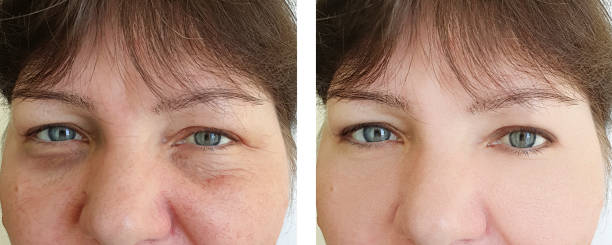
Where Does Kollagen Intensiv Fit In?
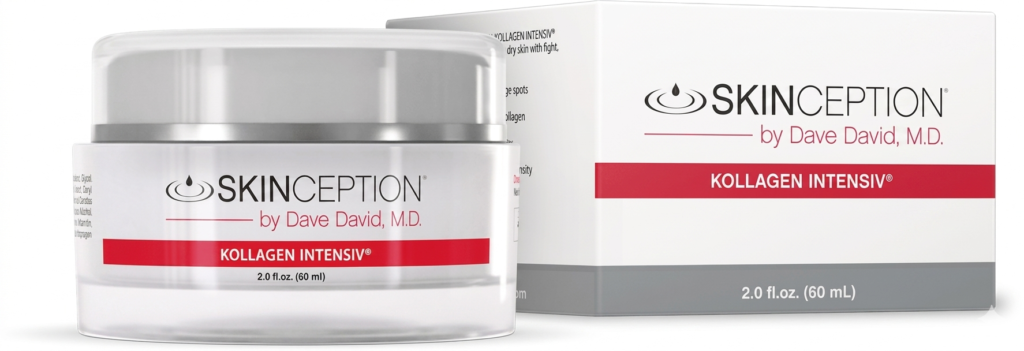
Kollagen Intensiv® is designed around the idea of supporting the body’s natural collagen production rather than simply covering the visible signs of aging.
The product is marketed with claims relating to accelerated natural collagen production and wrinkle reduction. Its promotional materials cite a clinical result of 354%, but individual results can vary, and such claims should not be interpreted as a guarantee of personal results.
For women interested in a collagen-focused approach, Kollagen Intensiv can be considered alongside a broader skincare routine and healthy lifestyle.
The goal isn’t to stop the natural aging process. Instead, it’s about giving your skin thoughtful support as its needs change over time.
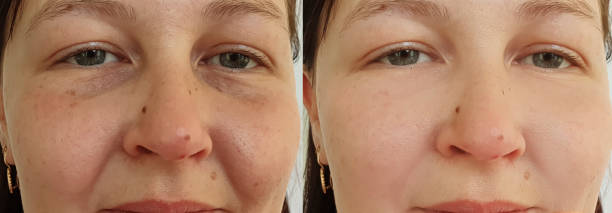
A More Youthful-Looking Eye Area Starts With Understanding Your Skin
The changes around your eyes don’t happen overnight. Fine lines, thinner-looking skin, dark circles, puffiness, and reduced firmness can develop gradually as part of the natural aging process.
Understanding why these changes occur can make it easier to choose a skincare routine that fits your goals.
If supporting collagen and maintaining a smoother, firmer-looking complexion is important to you, Kollagen Intensiv® may be worth exploring as part of your beauty routine.
Your eyes may change as you age—but understanding those changes can help you make smarter choices about how you care for your skin.