

Have you ever looked in the mirror and wondered why your eyes seem more tired than you actually feel? After 50, the skin around your eyes can begin to look thinner, drier and less firm, making fine lines, dark circles and puffiness more noticeable. Even when you feel rested, these changes can leave your face looking fatigued.
The good news is that caring for mature skin does not have to involve an elaborate beauty routine or expensive treatments. Understanding what causes these changes and making a few thoughtful adjustments can help your eye area look smoother, fresher and better hydrated.
From protecting delicate skin to supporting hydration and elasticity, here are eight important things to know about caring for the eye area after 50.
1. Understand Why the Skin Around Your Eyes Changes
The skin surrounding your eyes is naturally thinner and more delicate than the skin on many other parts of your face. As you age, it gradually loses some of its collagen and elastin, two proteins that help maintain firmness, structure and flexibility.
Collagen production declines with age, while environmental exposure and everyday facial movements contribute to the development of fine lines. The skin may also become drier as its natural ability to retain moisture changes.
These developments are a normal part of ageing, but they can make the eye area more sensitive to harsh products and environmental stress.
A gentle approach that prioritises moisture, protection and consistency can help mature skin look healthier without placing unnecessary stress on this delicate area.

2. Hydration Can Make Fine Lines Less Noticeable
One of the simplest ways to improve the appearance of the eye area is to address dryness.
When skin lacks moisture, fine lines can appear more pronounced, and the surface may look rough or creased. Hydrated skin generally looks smoother and more supple, although moisturising products cannot eliminate wrinkles permanently.
Look for a fragrance-free eye cream or moisturiser containing ingredients such as:
- Hyaluronic acid: Helps attract and retain moisture in the skin.
- Glycerin: Draws water into the outer layers of the skin.
- Ceramides: Help support the skin barrier and reduce moisture loss.
- Squalane: Helps soften the skin and improve its comfortable, moisturised feel.
Apply a small amount gently, following the product instructions and avoiding direct contact with your eyes. Consistent hydration can make a noticeable difference to how comfortable and smooth the skin appears.
3. Collagen Loss Is Only Part of the Picture
Collagen receives considerable attention in anti-ageing skincare, and for good reason. It provides structural support to the skin and contributes to its firmness.
However, changes around the eyes are not caused by collagen loss alone. Reduced elasticity, sun exposure, dehydration, genetics and the gradual redistribution of facial fat can all influence the appearance of the area.
This is why relying on a single anti-ageing ingredient rarely addresses every concern.
A balanced routine should combine moisturising skincare, daily sun protection, adequate sleep and healthy lifestyle habits. These measures support overall skin health while helping minimise some of the visible effects of ageing.
It is also important to have realistic expectations. No cream or collagen-focused beauty product can completely restore the skin to its appearance decades earlier.
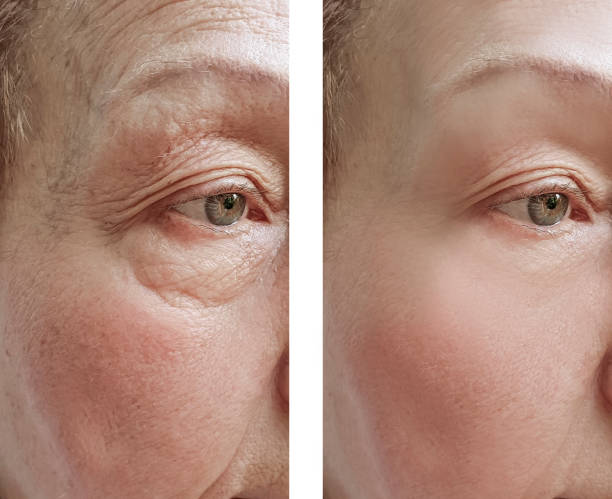
4. Protect Your Eye Area From the Sun Every Day
Sun exposure is one of the most significant environmental contributors to premature skin ageing. Ultraviolet radiation can damage collagen and elastin, contribute to uneven pigmentation and make fine lines more noticeable.
Because the skin around your eyes is delicate, protecting it should be part of your everyday routine, not something reserved for summer.
Choose a broad-spectrum sunscreen with SPF 30 or higher and apply it according to the product directions. Use a formula suitable for the eye area, taking care not to get it into your eyes.
Sunglasses that provide UV protection and a wide-brimmed hat offer additional protection outdoors.
These simple habits help reduce ongoing environmental damage and support healthier-looking skin over time.
5. Address Dark Circles by Understanding Their Cause
Dark circles are a common concern after 50, but they do not always have the same cause.
For some people, the appearance of darkness is related to pigmentation. For others, thinning skin makes underlying blood vessels more visible. Shadows created by changes in the contours beneath the eyes can also contribute.
Lack of sleep, allergies and dehydration may make dark circles look more pronounced, although getting more rest will not resolve every type.
To help improve their appearance, consider these practical steps:
- Maintain a regular sleep schedule.
- Drink enough water throughout the day.
- Avoid rubbing your eyes, especially when they feel itchy.
- Use gentle skincare that supports moisture retention.
- Wear sunscreen to help limit pigmentation caused by sun exposure.
If dark circles develop suddenly, affect only one eye or occur alongside swelling or pain, seek medical advice rather than assuming they are simply an ageing concern.

6. Reduce Morning Puffiness With Simple Habits
Waking up with puffy eyes can be frustrating, particularly when you are trying to achieve a refreshed appearance.
Temporary puffiness may result from fluid accumulating around the eyes overnight. Salty meals, allergies, disrupted sleep and sleeping position can contribute to the problem.
A cool compress applied gently for several minutes may help reduce temporary swelling. Some people also find that sleeping with their head slightly elevated makes a difference.
Avoid applying ice directly to the skin or pressing firmly on the eye area.
It is worth remembering that not all puffiness is temporary. Age-related changes in the tissues and fat around the eyes can create persistent under-eye bags that skincare products cannot fully correct.
Understanding the difference helps you choose realistic solutions instead of continually switching between products that promise dramatic results.
7. Consider Kollagen Intensiv as Part of Your Beauty Routine
When caring for mature skin, it is natural to explore products designed to support a smoother, more hydrated appearance.
Kollagen Intensiv is a skincare option that may appeal to people who want to focus on visible signs of ageing, including fine lines and changes in skin texture.
When considering any collagen-focused beauty product, it is important to distinguish between supporting the skin’s appearance and reversing the biological ageing process.
A well-formulated topical skincare product may help moisturise the skin, improve its surface feel and make fine lines associated with dryness less noticeable. The actual benefits depend on its ingredients, formulation and how consistently it is used.
Kollagen Intensiv should therefore be considered within the context of an overall skincare routine rather than as a guaranteed solution for dark circles, puffiness or lost firmness.
Before introducing it, review the product’s ingredient list and application instructions. If you have sensitive skin, test a small amount on an inconspicuous area first, and discontinue use if irritation develops.
The most useful approach is to choose products that suit your skin and use them consistently alongside sun protection and healthy daily habits.

8. Remember That Lifestyle Habits Influence Your Skin
Your skincare products are only one part of the picture. Everyday habits can also affect how the eye area looks and feels.
Sleep is particularly important because tiredness can make puffiness and dark circles more noticeable. Most adults benefit from around seven to nine hours of sleep each night, although individual needs vary.
A balanced diet provides nutrients that support normal skin function. Include a variety of vegetables, fruits, protein-rich foods, healthy fats and other nutrient-dense choices.
Regular physical activity and avoiding smoking can also support general health and help reduce factors associated with premature skin ageing.
Finally, keep your routine manageable. Gentle cleansing, moisturising and daily sun protection provide a useful foundation without requiring numerous products or complicated steps.
Give Your Eyes the Care They Deserve After 50
Caring for the eye area after 50 is about understanding what your skin needs and making realistic choices that support it over time.
Hydration can soften the appearance of fine lines, sun protection helps prevent additional damage, and thoughtful lifestyle habits can make tired-looking eyes less noticeable. Products such as Kollagen Intensiv may also have a place in a beauty routine when their formulation suits your skin and your expectations remain realistic.
Most importantly, remember that fine lines, changing skin texture and some loss of firmness are normal parts of ageing. You do not need to eliminate every wrinkle to look refreshed.
With gentle care, consistent protection and a routine that works for your skin, you can help your eye area look comfortable, nourished and naturally radiant at every age.
Stay informed about your eye care. Subscribe for more practical tips as your
eyes change with age.