Your eyes can be one of the first places where signs of ageing become noticeable. Even when the rest of your face looks refreshed, dark circles, puffiness, fine lines, and changes in skin texture around the eyes can create a more tired or aged appearance.
But here’s something many people overlook: it isn’t always about how much skincare you use.
The delicate skin around your eyes is naturally thinner and can be affected by everyday habits, environmental exposure, hydration, sleep, and the gradual decline of collagen that happens with age.
If you’re wondering why your eyes sometimes look older than you feel, here are eight common factors worth knowing about—and what you can do to support healthier-looking skin.
1. Natural Collagen Loss
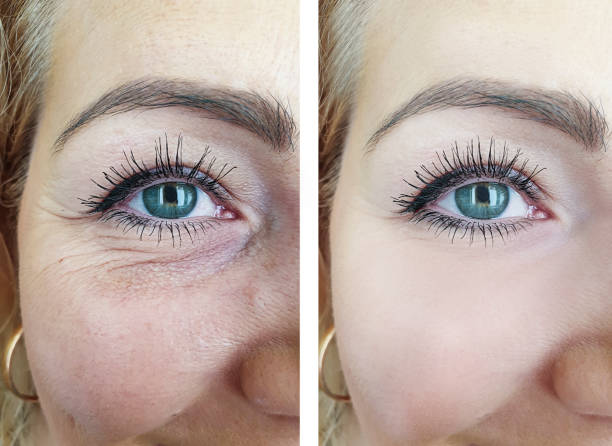
Collagen is one of the major structural proteins that helps give skin its firmness, strength, and elasticity.
As we age, the body’s natural collagen production gradually declines. This can contribute to changes in skin texture and the appearance of fine lines and wrinkles.
Around the eyes, these changes can be particularly noticeable because the skin is delicate.
Supporting your skin’s natural collagen production can therefore be an important part of an overall skincare and healthy-ageing routine.
2. Too Much Sun Exposure
Sun exposure is another major factor in how skin looks over time.
Repeated exposure to ultraviolet (UV) radiation can contribute to premature-looking skin ageing, including changes in texture, uneven appearance, and visible lines.
Because the eye area is so exposed, protecting it should be part of your everyday routine.
Wearing sunglasses, seeking shade, and using appropriate broad-spectrum sunscreen around the face can help reduce unnecessary UV exposure.
3. Not Getting Enough Sleep
Have you ever looked in the mirror after a poor night’s sleep and immediately noticed that your eyes looked different?
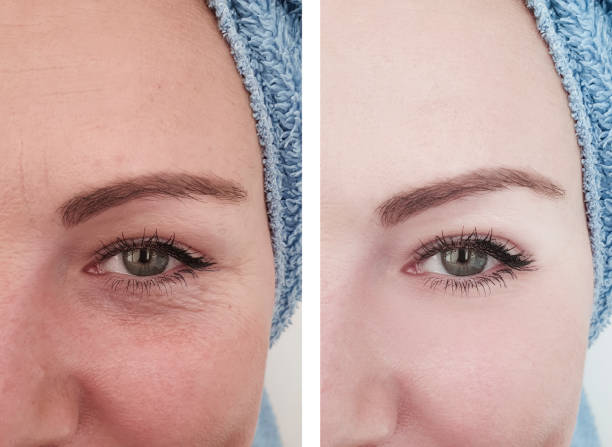
Lack of sleep can make the eye area appear more tired, puffy, or dull.
While one late night isn’t going to suddenly age your skin, consistently poor sleep can make it harder for your overall appearance to look rested.
A regular sleep schedule and a relaxing nighttime routine may do more for your appearance than constantly adding another product to your bathroom shelf.
4. Dehydrated-Looking Skin
When skin lacks moisture, fine lines can sometimes appear more noticeable.
The delicate area around the eyes can be particularly prone to looking dry or creased, making the skin appear less smooth.
This is one reason hydration matters—not only from the products you apply but also from maintaining healthy everyday habits.
A gentle moisturiser formulated for your skin type can help support the skin barrier and improve the appearance of dryness.
5. Repeated Facial Expressions
Smiling, squinting, frowning, and other facial expressions are a normal part of life.
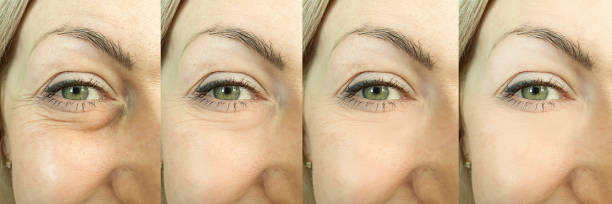
Over many years, repeated movements of the facial muscles can contribute to expression lines becoming more visible.
This doesn’t mean you should stop smiling. Instead, think of it as another reason to take a long-term approach to skincare rather than expecting one product to completely change the appearance of established lines.
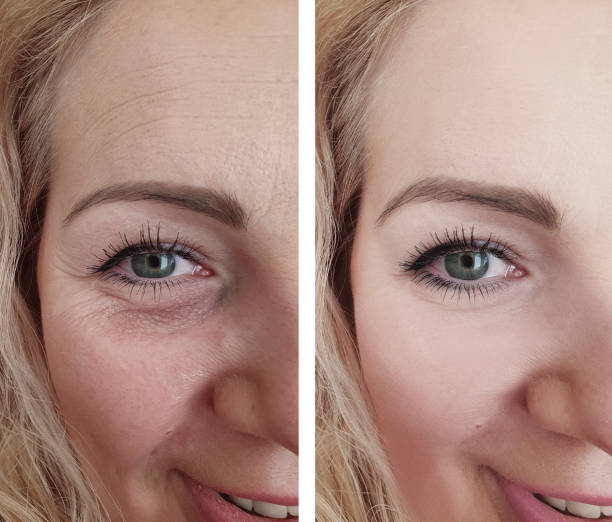
6. Rubbing or Pulling the Eye Area
The skin around your eyes deserves a gentle touch.
Frequent rubbing, pulling, or aggressive makeup removal can unnecessarily irritate this delicate area.
Instead, use gentle movements when cleansing and removing makeup. If your eyes feel irritated or itchy regularly, addressing the underlying cause is more useful than repeatedly rubbing them.
Small changes in everyday habits can add up over time.
7. An Unbalanced Lifestyle
Your skin reflects more than your skincare routine.
Nutrition, hydration, sleep, exercise, stress management, and other lifestyle factors can all influence how healthy and refreshed you look.
A diet that provides adequate protein, fruits, vegetables, and other nutrients supports your body’s normal functions, including the processes involved in maintaining skin.
Think of skincare as one piece of the puzzle—not the entire puzzle.
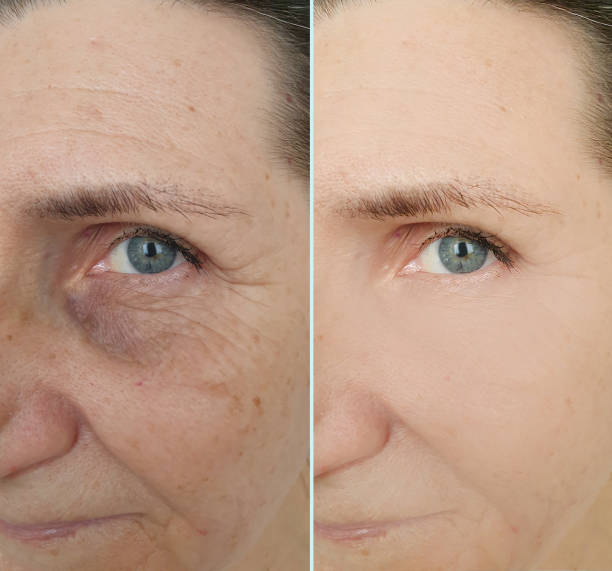
8. Focusing Only on the Surface
This may be the biggest mistake of all.
It’s easy to concentrate exclusively on creams, serums, concealers, and other products designed to improve the surface appearance of the skin.
But skin ageing involves deeper structural changes too, including the gradual decline in collagen.
That’s why many people are becoming interested in approaches that support the body’s natural collagen production rather than focusing exclusively on what is applied to the surface.
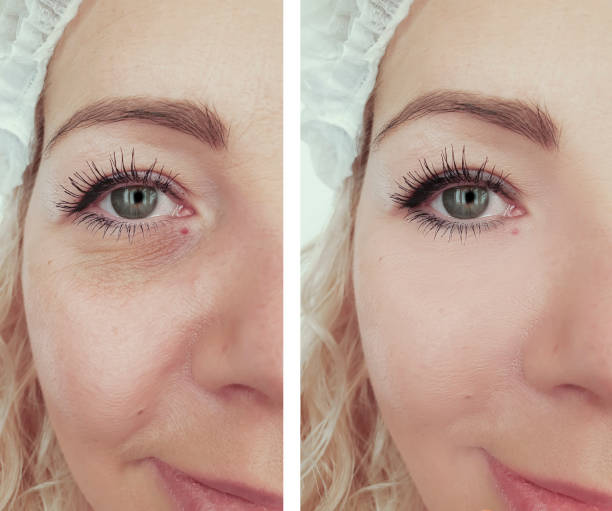
Where Kollagen Intensiv Fits In
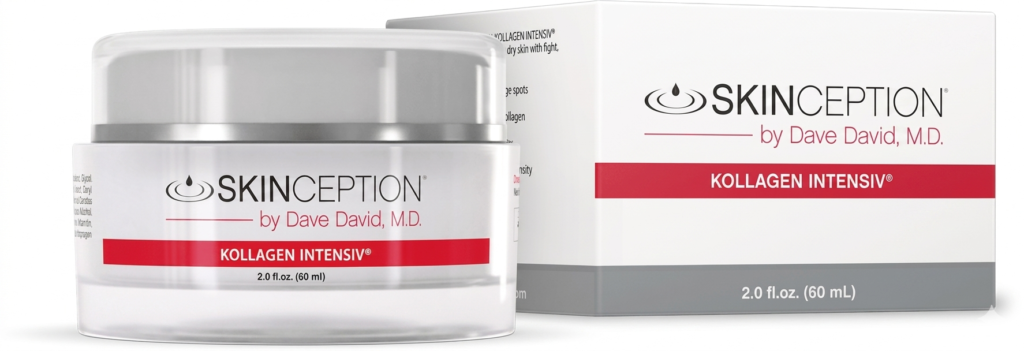
If you’re looking for a collagen-focused addition to your routine, Kollagen Intensiv® is one product worth exploring.
Kollagen Intensiv is positioned around supporting the body’s natural collagen production and is marketed specifically for skin-ageing concerns such as the appearance of wrinkles.
The product makes claims about accelerating natural collagen production and reducing wrinkles, including a prominently advertised 354% figure. Those claims are product-specific and should be considered in the context of the company’s cited clinical evidence rather than interpreted as a guarantee of individual results.
The important point is that collagen support is becoming an increasingly interesting part of a broader approach to maintaining youthful-looking skin.
Rather than viewing a collagen product as a replacement for good skincare habits, it can be considered alongside basics such as sun protection, adequate hydration, quality sleep, balanced nutrition, and gentle skincare.
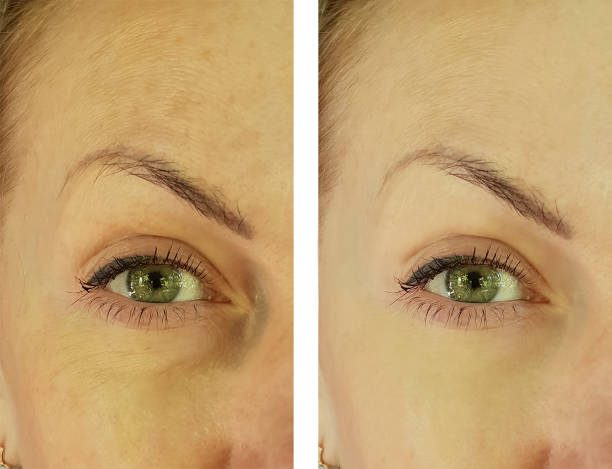
How to Make Your Eyes Look More Refreshed
You don’t necessarily need a complicated routine.
Start with the fundamentals:
- Protect your face and eye area from excessive sun exposure.
- Get consistent, quality sleep.
- Keep your skin appropriately moisturised.
- Avoid unnecessary rubbing around your eyes.
- Maintain healthy hydration and nutrition.
- Consider ingredients and products designed to support your specific skincare goals.
- Take a long-term approach rather than expecting overnight changes.
Consistency is often more valuable than constantly changing products.
The Bottom Line
Your eyes don’t necessarily look older simply because you’re getting older.
Natural collagen loss is certainly part of the process, but everyday factors—including sun exposure, sleep, hydration, facial expressions, and skincare habits—can also influence how the delicate eye area looks.
The good news is that understanding these factors gives you more control over your routine.
If you’re interested in taking a collagen-focused approach, Kollagen Intensiv® may be worth researching as part of your broader skincare strategy. Learn about the product, its ingredients, and the evidence behind its claims before deciding whether it’s right for you.
Your goal shouldn’t be to stop ageing—it should be to support healthy-looking skin as you age.