Why the Skin Around Your Eyes Can Feel Dry, Tight, and Tired—Plus Simple Ways to Keep It Looking Fresh.
The skin around your eyes often tells a story long before the rest of your face does. When this delicate area loses hydration, it can appear dull, crepey, or less vibrant, making you look more tired than you actually feel.
The good news is that eye area hydration isn’t determined by just one product or one habit. It’s influenced by a combination of lifestyle choices, environmental factors, and everyday skincare routines. Even small changes can make a noticeable difference over time.
If you’ve ever wondered why your under-eye area sometimes feels dry despite using moisturiser, you’re not alone. Understanding what affects hydration is the first step toward maintaining healthier-looking skin and a more refreshed appearance.
Let’s explore the eight most common factors that can influence eye area hydration—and what you can do about them.
Why Eye Area Hydration Matters
The skin surrounding the eyes is naturally thinner than skin on most other parts of the face. Because it contains fewer oil glands, it’s more vulnerable to moisture loss.
When hydration levels decline, you may notice:
- Skin that feels tight or rough
- Fine dehydration lines becoming more noticeable
- Makeup settling into creases
- A less smooth appearance
- Eyes looking tired or less radiant
Supporting healthy hydration helps the skin appear softer, smoother, and more resilient over time.
1. Daily Sun Exposure
Sunlight is one of the biggest contributors to moisture loss and visible skin ageing.
Repeated UV exposure can weaken the skin’s protective barrier, making it easier for water to escape. Even brief periods outdoors without protection can gradually affect the delicate eye area.
Simple habits that help include:
- Wearing sunglasses with UV protection
- Applying sunscreen around the face carefully
- Seeking shade during peak sunlight hours
Protecting your skin today can help preserve hydration tomorrow.
2. Indoor Heating and Air Conditioning
Many people focus only on outdoor weather, but indoor environments can be surprisingly drying.
Heating systems during winter and air conditioning during summer reduce humidity, allowing moisture to evaporate more quickly from your skin.
If you spend long hours indoors, consider:
- Using a humidifier
- Applying moisturizer before prolonged exposure
- Drinking water consistently throughout the day
These small adjustments may help your skin retain moisture more effectively.

3. Not Getting Enough Sleep
Sleep is when your body performs many of its natural repair processes.
Poor sleep doesn’t directly “dry out” the skin overnight, but consistently inadequate rest may leave the eye area looking less refreshed and more fatigued.
Healthy sleep habits support overall skin wellness by allowing the body time to recover from daily environmental stress.
Aim for consistent, high-quality sleep whenever possible.
4. Harsh Cleansing Products
Many cleansers are excellent at removing makeup—but some are also very effective at stripping away natural oils.
When this happens repeatedly, the skin barrier may struggle to retain moisture.
Choose products that:
- Cleanse gently
- Are suitable for sensitive skin
- Leave skin feeling comfortable instead of tight
If your face feels squeaky clean after washing, your cleanser may be removing more than just dirt.
Common Mistakes That Reduce Eye Area Hydration
Many people unknowingly make small skincare mistakes every day.
These include:
- Rubbing the eye area too aggressively
- Using hot water when cleansing
- Forgetting moisturizer after washing
- Applying products too roughly
- Skipping sunscreen on cloudy days
Gentle care often delivers better long-term results than aggressive treatments.
5. Natural Changes That Come With Age
As we grow older, our skin naturally changes.
Over time, production of substances that help maintain moisture—including collagen and natural lipids—gradually slows. The skin may also become thinner and less efficient at holding water.
While ageing is completely natural, supporting your skin through healthy habits can help it continue looking vibrant for years to come.

6. Dehydration From Everyday Habits
Hydration starts from within.
Although drinking extra water won’t instantly erase dry skin, staying properly hydrated supports normal body functions that contribute to overall skin health.
Lifestyle habits that may influence hydration include:
- Drinking too little water
- Excessive alcohol intake
- High caffeine consumption without adequate fluids
- Eating a diet low in fruits and vegetables
Balanced nutrition works alongside good skincare—not instead of it.
Why Many People Overlook This Issue
When people notice changes around their eyes, they often focus only on wrinkles or dark circles.
However, hydration is frequently the hidden foundation behind healthier-looking skin.
Dry skin can make:
- Fine lines appear more noticeable
- The texture looks rougher
- Makeup wear unevenly
- Eyes seem less awake
Because dehydration develops gradually, many people don’t recognise it until the changes become more obvious.
Paying attention early allows you to build habits that support healthier-looking skin over time.
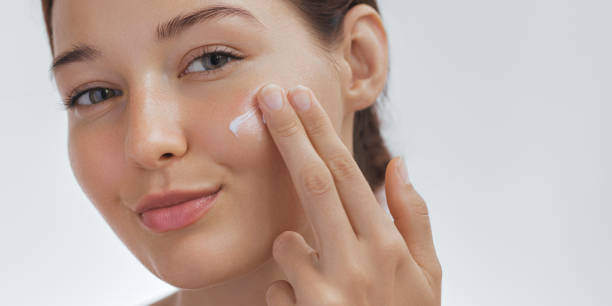
7. Using Too Many Active Ingredients
Today’s skincare market offers countless powerful ingredients.
While ingredients such as retinol, exfoliating acids, and certain vitamin treatments can be beneficial when used correctly, combining too many at once may overwhelm sensitive skin.
Signs your routine may be too aggressive include:
- Tightness
- Flaking
- Redness
- Increased sensitivity
- Persistent dryness
Sometimes simplifying your routine gives your skin exactly what it needs.
Supporting Eye Area Hydration From the Inside and Out
Healthy-looking skin usually reflects a combination of consistent daily habits rather than one miracle solution.
Alongside gentle skincare, many people choose nutritional supplements that support skin health from within.
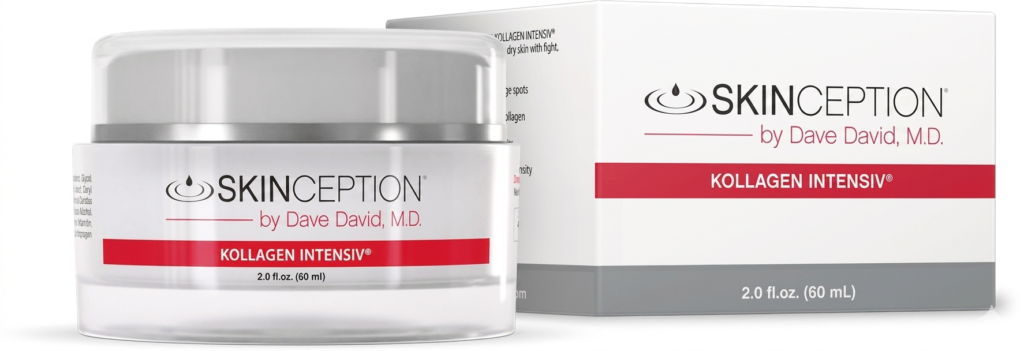
One option worth considering is Kollagen Intensiv. Rather than simply moisturising the surface, it is formulated with ingredients that help support healthy-looking skin and collagen production as part of an overall beauty routine. When combined with sun protection, balanced nutrition, and good skincare habits, it may help the eye area appear smoother, firmer, and better hydrated over time.
Like any skincare approach, consistency is far more important than expecting overnight changes.
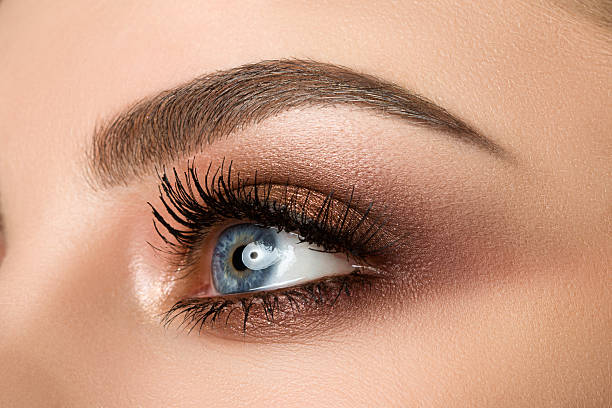
8. Skipping Consistency
Perhaps the biggest factor affecting eye area hydration is inconsistency.
Using quality skincare occasionally is unlikely to produce lasting improvements.
Healthy habits work best when practised daily:
- Moisturize morning and night
- Wear sunscreen consistently
- Remove makeup gently
- Stay hydrated
- Prioritize quality sleep
- Follow a balanced skincare routine
Small daily actions often create the biggest long-term results.
Myth vs. Fact
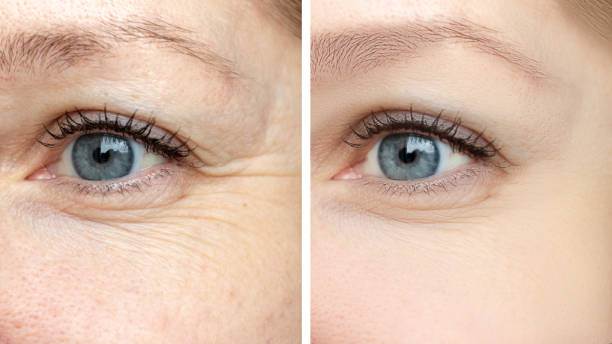
Myth: Drinking lots of water instantly eliminates dry under-eyes.
Fact: Staying hydrated supports overall health, but external skincare and protecting the skin barrier remain equally important.
Myth: Oily skin never becomes dehydrated.
Fact: Skin can produce oil while still lacking adequate water content.
Myth: Expensive products automatically work better.
Fact: Consistent use of well-formulated products suited to your skin often matters more than price.
Myth: Only older adults experience dry eye-area skin.
Fact: Environmental exposure, lifestyle habits, and skincare routines can affect hydration at almost any age.
Frequently Asked Questions
Why is the skin around my eyes drier than the rest of my face?
The eye area contains fewer oil glands, making it naturally more susceptible to moisture loss.
Can weather affect eye area hydration?
Yes. Cold temperatures, wind, indoor heating, and air conditioning can all contribute to dryness.
Does sunscreen help maintain hydration?
Indirectly, yes. Protecting the skin from UV damage helps preserve the skin barrier, which plays an important role in retaining moisture.
Can collagen supplements support healthier-looking skin?
Some people include collagen-supporting products like Kollagen Intensiv as part of a broader skincare routine designed to support healthy-looking skin. Results vary between individuals, and consistency is important.
How long does it take to notice healthier-looking skin?
Visible improvements depend on many factors, including skincare habits, lifestyle, and individual skin characteristics. Most healthy routines require patience and consistency.

Key Takeaways
- Eye area hydration is influenced by multiple everyday habits.
- Sun exposure and dry indoor air can accelerate moisture loss.
- Gentle skincare protects the skin’s natural barrier.
- Healthy sleep, hydration, and balanced nutrition all play supporting roles.
- Consistency usually delivers better long-term results than quick fixes.
- Supporting collagen and overall skin health may contribute to smoother, healthier-looking skin.
Conclusion
The delicate skin around your eyes works hard every day, yet it’s often one of the most overlooked parts of a skincare routine. Fortunately, maintaining better hydration doesn’t require complicated routines or dozens of products.
Protecting your skin from environmental stress, choosing gentle skincare, staying consistent with healthy habits, and supporting your skin from within can all contribute to a fresher, more youthful-looking eye area.
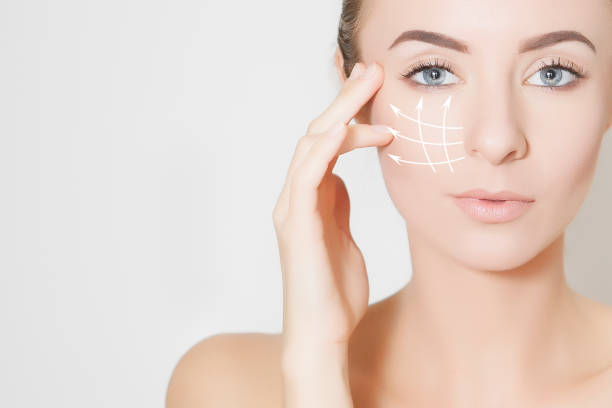
If you’re looking for an additional way to support healthier-looking skin, Kollagen Intensiv may be worth exploring as part of your daily beauty routine. Its collagen-supporting formula is designed to complement good skincare habits—not replace them.
Ready to learn more? Click the link below to discover how Kollagen Intensiv can fit into your routine and help support smoother, healthier-looking skin around your eyes. Your future skin will thank you.
⭐⭐⭐⭐⭐ Trusted by Thousands of Happy Customers • 67-Day Money-Back Guarantee