
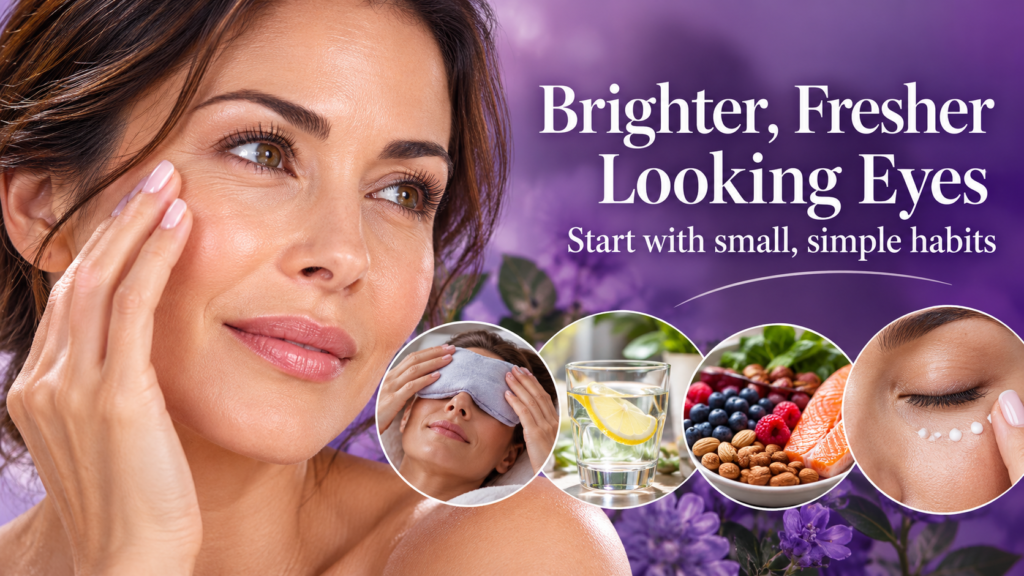
Do your eyes sometimes make you look more tired than you actually feel? Dark circles, morning puffiness, fine lines, and dull-looking skin around the eyes can appear even when you are getting enough sleep. The frustrating part is that these changes can develop gradually, making it difficult to pinpoint what is causing them.
The good news is that a few simple eye care habits can help your eye area look fresher, smoother, and more refreshed over time. From improving hydration to protecting delicate skin from the sun, small changes can make a meaningful difference to your daily skincare routine.
If you are looking for practical ways to care for ageing skin around your eyes, these eight habits are easy to begin this week without completely changing your lifestyle.
1. Start Your Morning With a Gentle Eye Care Routine
The skin around your eyes is thinner and more delicate than much of the skin on your face. This makes it more susceptible to dryness, irritation, and visible signs of ageing.
A gentle morning routine helps keep this area comfortable and supported throughout the day.
Begin by washing your face with a mild cleanser and lukewarm water. Avoid scrubbing or pulling at the skin around your eyes, particularly when removing makeup.
Follow with a moisturiser suitable for your skin type. If you use a separate eye cream, apply a small amount according to its instructions, keeping products away from the inside of your eyes.
Consistency matters more than using a large number of products. A simple routine that you follow every day is often easier to maintain than an elaborate collection of treatments.

2. Reduce Morning Puffiness With a Cool Compress
Waking up with puffy eyes can make your entire face appear tired. Fluid accumulation around the eyes, sleeping position, allergies, and high salt intake can all contribute to temporary puffiness.
A cool compress is an easy way to help the area look less swollen.
Try these simple steps:
- Soak a clean, soft washcloth in cool water.
- Gently place it over your closed eyes for several minutes.
- Keep your head slightly elevated if you are resting afterwards.
- Avoid rubbing or pressing firmly against the eye area.
Cooling can temporarily reduce the appearance of puffiness, although it will not eliminate every underlying cause.
If swelling is persistent, painful, affects only one eye, or occurs alongside changes in vision, seek appropriate medical advice rather than relying solely on skincare.
3. Make Hydration Part of Your Daily Routine
Dehydration can leave your skin looking less supple, particularly when combined with dry weather, air conditioning, or frequent exposure to heating.
When the skin around your eyes becomes dry, fine lines may appear more noticeable. Supporting your skin’s moisture barrier can help it look softer and smoother.
Drink water regularly throughout the day, adjusting your intake to your activity level and individual needs. You can also choose water-rich foods such as cucumber, oranges, berries, and watermelon.
Topical hydration matters, too. Moisturisers containing ingredients such as glycerin or hyaluronic acid can attract and retain moisture in the skin, temporarily improving its appearance.
Remember that drinking extra water does not automatically erase dark circles or wrinkles. The aim is to maintain healthy hydration rather than expect one habit to solve every eye concern.
4. Protect the Skin Around Your Eyes From Sun Damage
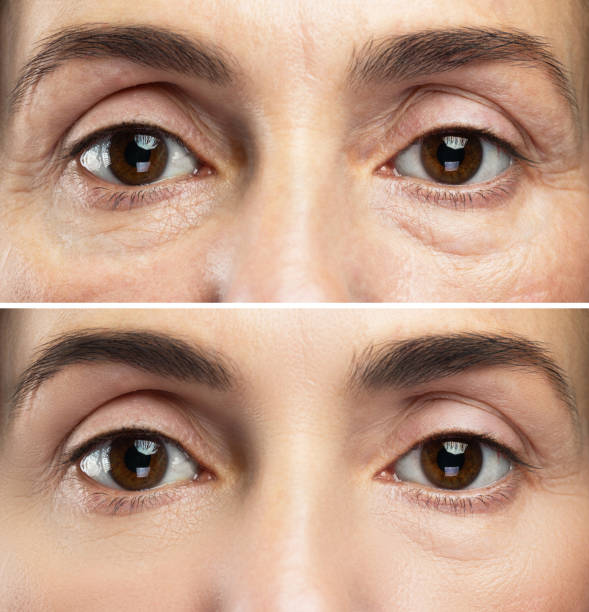
Sun exposure is one of the most important environmental contributors to premature skin ageing. Ultraviolet radiation can damage collagen and elastin, the structural proteins that help skin maintain its firmness and flexibility.
Over time, this damage can contribute to fine lines, uneven pigmentation, and a less even-looking complexion.
Make sun protection a daily habit, even when the weather is cloudy.
Choose a broad-spectrum sunscreen with SPF 30 or higher and apply it carefully around the eye area according to the product instructions. Wear sunglasses that offer UV protection and consider a wide-brimmed hat when spending time outdoors.
Protecting your skin consistently can help reduce further sun-related damage. It is also one of the most practical long-term steps you can take to maintain a youthful-looking eye area.
5. Improve Your Sleep Habits
Late nights, inconsistent sleep schedules, and poor-quality rest can leave your eyes looking noticeably tired the following morning.
Insufficient sleep may make puffiness and dark circles more apparent. However, dark circles can also be influenced by genetics, pigmentation, allergies, and the natural thinning of skin with age.
Most adults benefit from approximately seven to nine hours of sleep each night.
To make your sleep routine more consistent, try going to bed at a similar time, limiting stimulating activities before bedtime, and keeping your bedroom comfortable and dark.
If morning puffiness is a recurring concern, sleeping with your head slightly elevated may also help reduce fluid accumulation around the eyes.
Better sleep will not reverse every sign of ageing, but it can support your overall appearance and general wellbeing.

6. Choose Foods That Support Healthy Skin
Your skin depends on a range of nutrients to maintain its normal structure, repair processes, and protective barrier.
As you age, collagen production naturally declines. Collagen helps provide structural support to the skin, while elastin contributes to its ability to stretch and return to shape. These changes can gradually make fine lines and skin laxity more noticeable.
A balanced diet provides nutrients that support normal collagen formation and overall skin health.
Include foods such as:
- Eggs, fish, beans, and lean meats for protein.
- Citrus fruits, kiwi, and capsicum for vitamin C.
- Nuts and seeds for vitamin E and other nutrients.
- Colourful vegetables and berries for a variety of antioxidants.
Vitamin C is particularly important because the body needs it to produce collagen. Eating a varied diet is a sensible foundation for healthy-looking skin, although no single food can prevent or reverse the natural ageing process.
7. Be Gentle With Your Eyes and Avoid Everyday Irritation
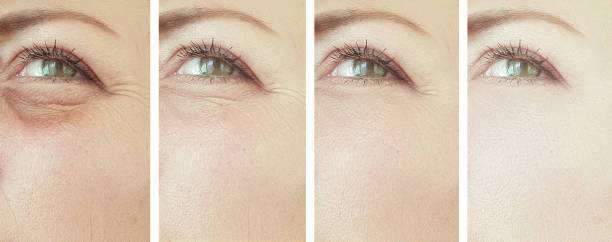
Repeated rubbing can irritate the delicate skin around your eyes. It may also aggravate puffiness and make existing pigmentation more noticeable.
This habit can be surprisingly difficult to break, especially if your eyes feel itchy during allergy season or after long hours in front of a screen.
Instead of rubbing, try a cool compress when appropriate and address the underlying source of irritation.
Remove eye makeup carefully with a suitable remover, using gentle movements rather than tugging at your lashes or eyelids. If your eyes feel dry during screen use, take regular breaks and remember to blink normally.
For persistent itching, dryness, or irritation, consider advice from a pharmacist or healthcare professional. Treating the underlying issue is often more useful than adding another cosmetic product.
8. Consider Collagen Support as Part of Your Beauty Routine
Even with good skincare habits, you may notice that your skin gradually loses some of its firmness and elasticity. This is a normal part of ageing, influenced by genetics, hormonal changes, sun exposure, and lifestyle factors.
Alongside moisturising, sun protection, and a balanced diet, some people explore additional beauty products to complement their routine.
Kollagen Intensiv is one option that may appeal to people looking to incorporate another product into their approach to maintaining a youthful-looking complexion.
When considering a product like Kollagen Intensiv, it is important to look at its actual ingredients, intended use, and available evidence rather than relying on broad promises about collagen or skin rejuvenation. The benefits will depend on the formulation, how it is used, and the individual.
It is also worth remembering that a skincare product cannot necessarily address every cause of dark circles, under-eye bags, or fine lines. Genetics, pigmentation, facial anatomy, and age-related changes can all play a role.
For this reason, Kollagen Intensiv is best considered as a potential addition to a broader beauty routine rather than a replacement for established skincare practices. Realistic expectations and consistent daily habits remain important.

Build Better Eye Care Habits One Day at a Time
Caring for the delicate skin around your eyes does not need to be complicated. Simple changes, including gentle cleansing, regular hydration, sun protection, adequate sleep, and a balanced diet, can help support healthier-looking skin over time.
You do not need to introduce all eight practices at once. Start with two or three that fit naturally into your current routine, then build from there.
Remember that tired-looking eyes can have several causes, and no single treatment works for everyone. By understanding what influences puffiness, dark circles, fine lines, and collagen loss, you can make more informed choices about your skincare.
The most useful routine is one that suits your skin, fits your lifestyle, and remains manageable enough to follow consistently. Small, thoughtful habits today can help you care for your eye area for years to come.
Want to learn more about caring for ageing eyes? Subscribe for our latest tips
and advice.